Gridwise blog
Tips, insights, and advice to help you earn more and work smarter, whether you do gig work, hourly, or shift work.
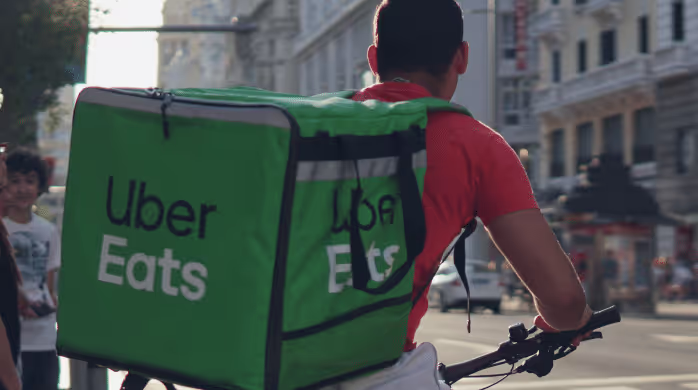
How to Make $1,000 a Week With Uber Eats in 2026 (Tips + Hourly Data)
In this blog, we'll explore the strategies and techniques that can show you how to earn $1000 per week as an Uber Eats delivery driver. We'll cover everything from optimizing your delivery zones and schedules to maximizing your tips and customer satisfaction. Whether you're a seasoned Uber Eats driver or just starting out, this guide will provide you with the insights and actionable steps to take your Uber Eats driver earnings to the next level.
Becoming an Uber Eats delivery partner can be a lucrative opportunity, especially if you're able to consistently earn $1000 a week. By understanding the platform, optimizing your delivery strategies, and focusing on customer satisfaction, you can maximize your earnings and turn Uber Eats into a reliable source of income.
We’ll cover the following topics to provide coaching and ideas to help you push your earnings up to that $1000 per week level:
What do Uber Eats drivers do?
Uber Eats drivers deliver prepared food most of the time, but they also might shop for and deliver goods from convenience outlets and grocery stores. The job is pretty simple. You get a request for an order, you drive to the restaurant or store to pick it up, and then you deliver it to the customer. If you already drive for Uber, you can choose to take orders for Uber Eats delivery any time.
If you’re not an Uber Eats driver yet, it’s pretty easy to become one. This Gridwise post tells you what you need to do if you want to sign up and start making money Uber Eats style. Many rideshare drivers welcome the chance to deliver food rather than people. This article from Nerdwallet covers the Uber Eats gig from that angle.
There are some sweet advantages to working with Uber Eats. In lots of cities you don’t even need to have a car. You can use a bike or a scooter, or even walk, to make your rounds. If you do use a car, Uber Eats’ requirements are a lot easier to meet than they are for Uber rideshare driving.
You also have a lot of flexibility. You can shop and deliver convenience items and groceries, but you don’t have to. And, like most driving gigs, you can choose your own hours, and map out the locations where you want to work.
Use Gridwise features When to Drive and Where to Drive to help you figure out what work hours and which specific areas will be the most profitable for you. Real data from real delivery people will show you earning patterns for drivers in your town.
How much can you earn doing Uber Eats?
The honest answer to this question is: basically, as much as you want! It all depends on how many hours you put in and how strategic you are about your gig. Earnings vary from one area to another, as this article from Entrepreneur points out. To give you a baseline, let’s look at the earnings of Uber Eats drivers who tracked their earnings with Gridwise.
Remember that these numbers show us only average earnings. To make $1,000 a week with Uber Eats, you’re going to have to be better than average, and we’ll show you how. For now, though, it’s good to have these figures so you get a ballpark number of where to start.
How much do Uber Eats drivers make?
Gridwise data tell us the following:
- Monthly earnings average around $444.00 per month.
- Gross earnings per trip are between $9.00 and $10.00.
- Tips make up about 50% of most Uber Eats drivers’ income, which amounts to about $225.00 per month.
Is Uber Eats good money? It can be. While there are other gigs that pay more per trip, if you drive for Uber Eats, you’ll always be pretty busy.
https://datawrapper.dwcdn.net/HPAz8/3
You can also see that, unlike many other gigs, tips play a huge role in Uber Eats earnings.

With these numbers as a baseline, what can we say about how to earn $1,000 a week with Uber Eats? As we said in the introduction, it’s going to be a hustle, but it’s really possible. To figure out how to make the most money with Uber Eats, let’s start by looking at how many trips these “average” drivers made each month.
We know that average gross earnings were $444.00 per month, and drivers got around $10.00 per trip. That means they took 44 or 45 trips per month, which breaks down to 11 trips per week. That’s not a lot of Uber Eats delivery, is it?
The fact that Uber Eats drivers averaged so few trips shows us that many drivers use more than one app at the same time. This is called multi-apping, and you can learn more about it in this Gridwise post. If you want to answer the question of how much you can make with Uber Eats, then you need to stick with the app and keep plugging away at those orders. You also need solid strategies, as well as some inside tips and tricks.
How to make the most money on Uber Eats: Delivery driving tactics
Getting to that $1,000 a week with Uber Eats isn’t so hard when you remember that the drivers we saw making about $111 a week were only taking around 11 trips in the same time period. That’s not much at all! If you work the Uber Eats app like a boss, you’ll soon have many more trips than that, easily reaching the number needed to get you to $1,000 a week. Now, let’s get to some tactics you’ll need to make that kind of bank.
- Stay with the Uber Eats app, and track your earnings. Gridwise can easily do that for you. Simply sync your Uber Eats app with Gridwise, and you’ll be able to see how much you’ve earned with Uber Eats, what times were most profitable, and your average hourly pay. Racking up trips with Uber Eats has other benefits, including perks and bonuses that are awarded to top drivers.
- Leverage surge pricing and promotions. Surge pricing is applied when there is a lot of demand. When surge pricing is in effect, many of the trips you make will pay more than usual. Promotions are offered to drivers who complete a given number of trips in a certain time period. High traffic volume days, nights, and times give you these chances to get extra earnings. Challenging yourself to complete the right number of trips for promotions will add to the number of trips you can count on for big bucks, too. Learn more about Uber Eats surge pay, boosts, and promotions in this Gridwise blog post.
- Say yes to doubling up on orders. With Uber Eats, you can get back-to-back orders or receive batched orders. Back-to-back orders happen when you receive a new request while you’re on the way to deliver an original order. The Uber Eats app routes these trips automatically, so you won’t be sent out of your way.
Batched orders are Uber Eats’ way of bundling together orders from either the same restaurant, or two nearby eating establishments. You get money, and trip count credit, for all the orders you complete, plus customer tips, without having to make a bunch of separate trips.
- Turn on the charm and get bigger tips. Being nice really is part of the Uber Eats driver’s job, and getting tips is one way people who drive for Uber Eats make money beyond their basic pay.. Bring along those extra napkins and condiments, use equipment that keeps food and drinks at the right temperatures and prevents spilling, and consider your customers’ needs. If you deliver groceries, be extra careful with delicate items such as bread and eggs.
And, most important, follow your customers’ directions, and stay in communication with them if you are going to be delayed, or if you have questions about their order. This Gridwise post will tell how to get bigger tips as a delivery driver.
- Use even more charm to keep your ratings high. As an Uber Eats driver, you will be rated by the restaurant or store where you pick up the orders as well as the customers who are waiting for the deliveries. This two-way rating system is designed to keep you on your toes, so Uber can keep people satisfied with your service. Don’t worry, you get to rate them, too.
There’s another reason why your rating as a driver is important. It not only keeps you in good standing with Uber; it helps you to qualify for the Uber Eats Pro incentive program. To learn more about Uber Eats Pro, and what it takes to earn perks such as preferred services, discounts, and deals, check out this Gridwise blog post.
Smart business moves that seal the deal
Now that you know how to gobble up the deliveries you need to make $1,000 a week with Uber Eats, it’s going to be a breeze to get there. Let’s make it even easier, with business moves that boost your earnings and shrink your expenses. If you use these, it will also be easy to say yes when people ask, “Can you make good money with Uber Eats?”
Minimize expenses. Avoid racking up big fast-food bills by bringing your own food and beverages. You might not think you’re hungry when you first start your Uber Eats run, but once the aroma of pepperoni pizza, premium cheeseburgers, and piping hot fries start wafting through your car, that might change. Bring a sandwich or other healthy food from home, and buy bottled water in bulk to save tons of cash compared to what it costs to buy single servings.
Maximize tax deductions. Another way to minimize your expenses is to maximize your tax deductions. Start by tracking mileage with Gridwise.
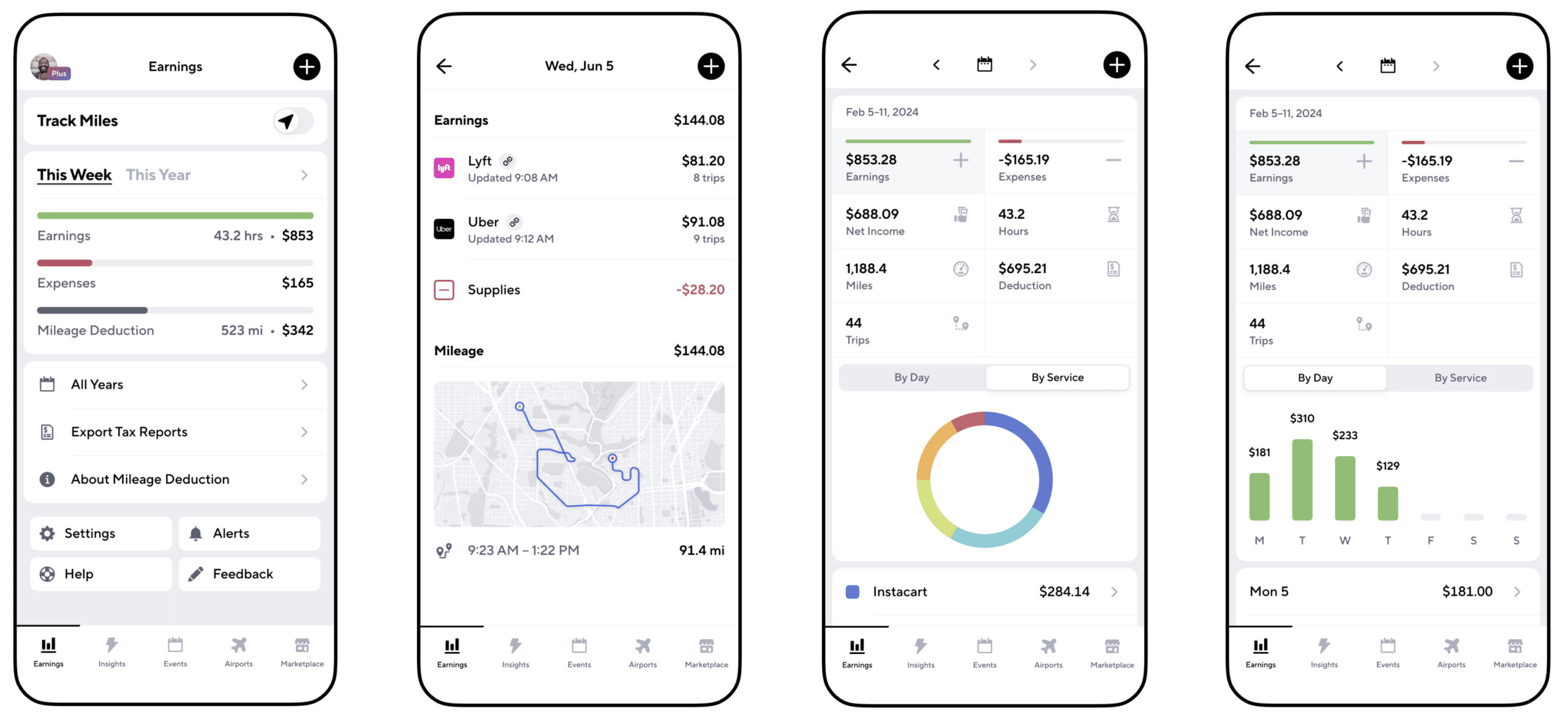
Gridwise App
Gridwise captures every deductible mile you drive, including the distance you cover between the trips your driving app records. Know what expenses you can deduct, and put them to work for you when tax time comes. Learn more about tax deduction strategies in the Gridwise Tax Guide for drivers.
Boost earnings with referrals
As an independent contractor, you’re probably looking for ways to make even more money than you can with Uber Eats. And most gig workers like you enjoy getting passive income. With Uber Eats, there’s a really easy way to do that, referrals!
All you need to do is find friends and encourage them to deliver for Uber Eats. If they make a certain number of deliveries within a specified time, you will get paid for doing nothing more than having them sign up under your referral code! Rates of pay vary by city, so check your Uber Eats app to find out what the current deal might be, and learn more about the referral program on the Uber Eats website.
Also remember: “friends” don’t have to be your best buds. Many delivery people carry cards with a QR code linking to their referral information, so just about anyone you encounter can join Uber Eats and boost your earnings. You could meet a source of passive income at the gas station, on social media, or at your high school reunion. The more you hustle, the more there is to gain, right?
Master the art of self-employment
As an Uber Eats driver, you’re an independent contractor. That means the company isn’t going to withhold your taxes, provide insurance, keep track of your earnings, or tell you about tax deductions. You’ll have to do all these things for yourself.
If you want to maximize your tax advantages, open an official business entity. You can incorporate (create a corporation) or you can work as a limited liability corporation (LLC). You can also work with a DBA (Doing Business As) arrangement, but the corporation or LLC will do a better job of protecting you from liability.
Establishing a corporation or LLC offers better tax advantages than being a sole proprietor. For instance, if you simply collect your earnings into your private account, you’ll be charged self-employment taxes in most states. And paying extra taxes is something we all want to avoid, within legal limits, as much as possible.
Every Uber Eats driver needs to learn about self-employment, and there are some great resources you can review. Check out the CareerOneStop website about self employment which will help explain the basics. You can also check with a professional tax accountant, or look other websites to learn more about actually creating a business.
Scope out your market
Look at the area around you to see where you’re likely to get the most deliveries. Where are all the restaurants? Where might people be more inclined to order deliveries? What hours do you want to drive? What activities might be going on around those times? Think about late-night and after-school times as well as breakfast, lunch, and dinner times.
Be realistic about the potential for your area and aware of new services opening up. For example, in New York, there is already a tab on the Uber Eats app that allows customers to order groceries. In our article about the best food delivery service to work for you’ll see that Uber Eats stacks up well against other delivery companies, mainly because of its potential for expanded opportunities for drivers to earn.
So, is Uber Eats good money? As we said, it isn’t an automatic guarantee that everyone will make $1,000 a week with Uber Eats. Trying out the suggestions we give you here, though, should put you on the right track! Go out there and start stacking up those orders and raking in some impressive earnings!
Get more inside information on Uber Eats in these posts from the Gridwise blog:
- The delivery driver guide: Using the Uber Eats app
- Everything you need to know about driving for Uber Eats
- Uber Eats Pro: What drivers need to know
- Looking for a different gig, part-time or full time job? Check out the Gridwise Job board.
Uber Eats FAQ
How does the Uber Eats platform work for drivers?
Uber Eats is a food delivery service that connects customers with local restaurants and independent delivery partners. As an Uber Eats driver, you'll receive notifications of nearby delivery requests, which you can accept and complete. The platform provides flexibility, allowing you to work on your own schedule and earn money based on the number of deliveries you complete.
What are the requirements to become an Uber Eats delivery partner?
To become an Uber Eats delivery partner, you'll need to meet certain requirements, such as having a valid driver's license, a registered vehicle, and passing a background check.
How can I choose the right delivery zone to maximize my earnings?
Selecting the right delivery zone can significantly impact your earnings, as some areas may have higher demand and better-paying orders. It's important to research and identify the zones in your area that tend to have the most consistent and lucrative delivery opportunities.
How can I take advantage of peak delivery hours and surge pricing?
Understanding peak delivery hours, such as mealtimes and weekends, and taking advantage of surge pricing can boost your earnings. Be aware of when demand is highest in your area and adjust your schedule accordingly to capitalize on these peak periods.
What are some tips for maximizing tips and customer satisfaction?
Providing excellent customer service and going the extra mile to ensure a positive experience can lead to more tips and repeat business. Prioritize communication, timeliness, and attention to detail to keep your customers happy and satisfied.
How can I set realistic weekly goals to reach my $1000 target?
To make $1000 a week with Uber Eats, it's essential to set realistic weekly goals and track your earnings and expenses. Start by determining your target earnings and breaking it down into achievable daily or weekly goals. This will help you stay on track and make adjustments as needed.
What are some strategies for efficient route planning and navigation?
Effective route planning and navigation can save you time and fuel, allowing you to complete more deliveries. Utilize mapping apps and take advantage of features like real-time traffic updates and turn-by-turn directions to find the quickest routes.
How can I balance my Uber Eats deliveries with other commitments?
Develop a schedule that allows you to capitalize on peak delivery hours while still maintaining a healthy work-life balance. Consider using tools like calendar apps to plan your availability and track your hours to ensure you're maximizing your earning potential without sacrificing your personal life.
What are the key considerations for maintaining my vehicle as an Uber Eats driver?
Keeping your car clean and well-maintained is crucial for maximizing your Uber Eats earnings. Regularly scheduled oil changes, tire rotations, and other preventive maintenance can help extend the life of your vehicle and minimize downtime. Additionally, budgeting for vehicle-related expenses, such as fuel, insurance, and repairs, will ensure you're accounting for these costs and maximizing your net earnings.
What are the tax obligations and legal considerations for Uber Eats drivers?
As an Uber Eats delivery driver, it's essential to understand the tax obligations and legal considerations that come with being an independent contractor. This includes properly reporting your earnings, deducting eligible business expenses, and making quarterly estimated tax payments. Additionally, you'll need to ensure you have the appropriate insurance coverage, such as personal auto insurance and possibly commercial auto insurance, to protect yourself and your vehicle while on the road making deliveries.

The Gridwise Job Board: Find Your Ideal Job or Gig Work
Gridwise is an essential assistant app created by gig workers for gig workers. Our mission is to support those engaged in gig work in every way possible. We understand how challenging it can be to deal with income instability, a lack of benefits, and job insecurity that often comes with gig work. The Gridwise app tracks and organizes earnings and expenses, and offers a wide array of discounts, deals, and services that make the lives of independent contractors easier and more rewarding.
We firmly believe it’s possible to make a viable living and create a gig experience that offers flexible hours, variety, and excitement. With issues such as consistent earnings and job security in mind, Gridwise is proud to offer a centralized platform that shows you how to find gig work and secure reliable opportunities. We’re proud to introduce the Gridwise Job Board.
The Gridwise Job Board: Key features
Because Gridwise is dedicated to serving the gig worker community, we’ve filled the Gridwise Job Board with useful features that won’t waste your precious time.
- Comprehensive listings. Find part-time, full-time, temporary, and per-task work. Drive or deliver with your vehicle, utilize an employer’s vehicle, or even find non-driving gig work.
- User-friendly interface. Find the jobs that are right for you with a tap of your screen.
- Verified opportunities. We vet the jobs before they are listed to ensure you’re getting high-quality job postings.
How to get more gig work, seasonal, part-time or full-time jobs with the Gridwise Job Board
Looking specifically for “gig work apps” or “gig jobs near me?” You’re in luck. Our filters and search functions send you directly to the listings you seek.
Here’s how it works.
- Access the Job Board via the Gridwise website.
- Search for jobs by type, location, and more.
- Select the job that interests you, and read all about it.
- Scroll through the description, and if it appeals to you, click “Apply for job.”
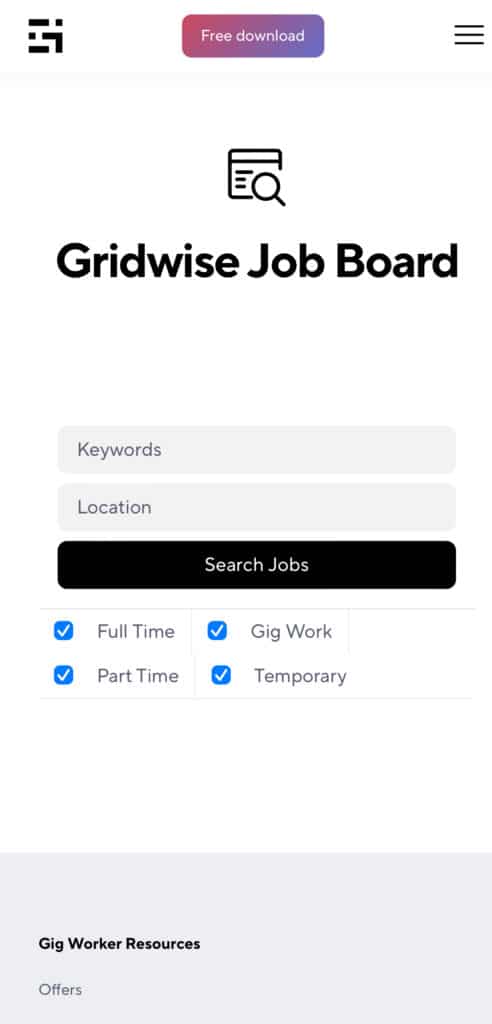
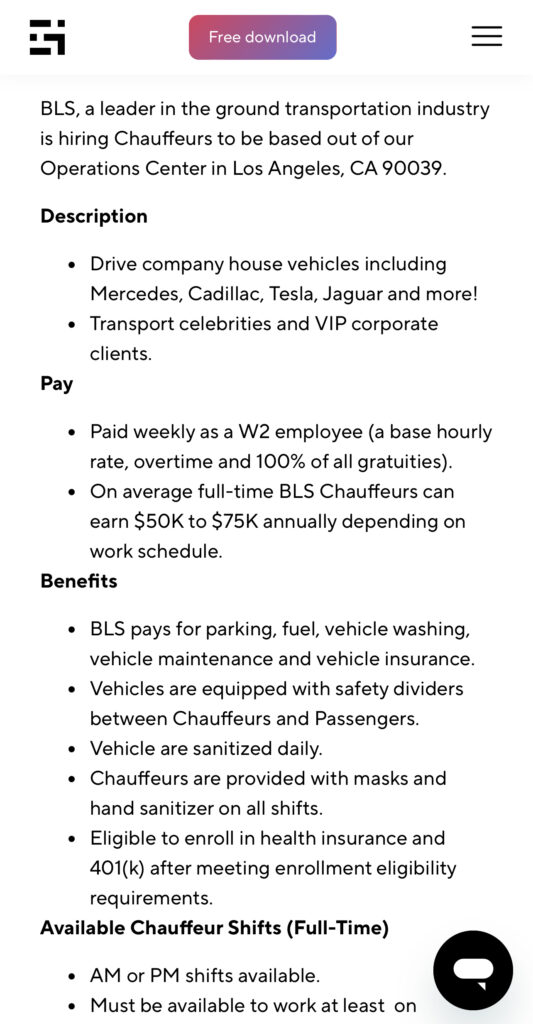
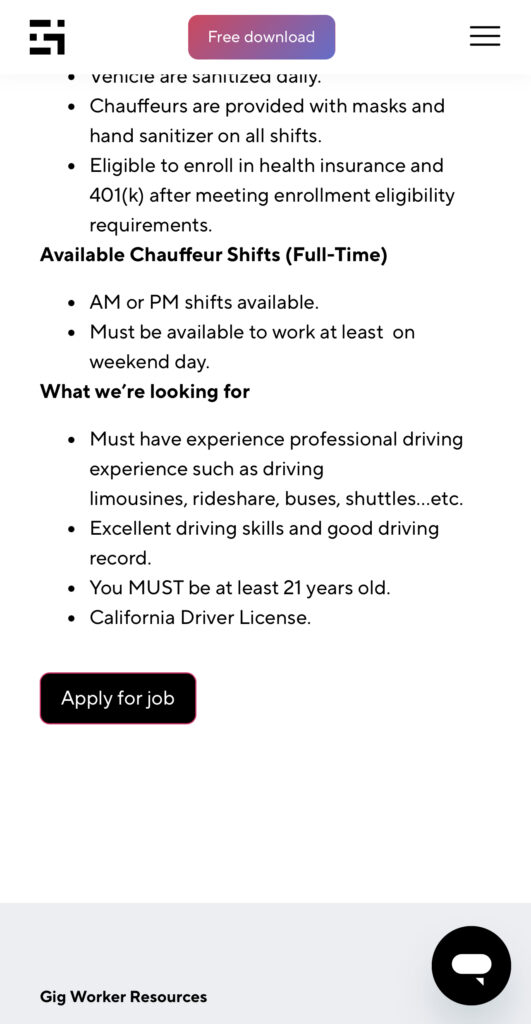
Many types of jobs are available. Adjust the search filter to see the full variety of opportunities that will let you cash in. Deliver food, set up catering, do rideshare driving, get paid for doing package delivery, and much more. You’ll find short-term gigs, long-term contracts, and part-time positions.
Perks of the Gridwise Job Board for gig workers
Gig workers who know how to make extra money will appreciate how the Gridwise Job Board lets you multiply your chances of bringing in big earnings. Here’s how:
- Increased stability. Use the Gridwise Job Board to find part-time or permanent jobs in addition to the part-time gigs you already have. Always keep a steady stream of earning opportunities flowing toward you.
- Flexibility and autonomy. Choose jobs that fit your schedule, work around other jobs and family duties, and still leave room for some fun in your life. Discover side hustles to supplement your full-time job, permanently or just for the season.
- Skill development. Find part-time work that lets you use a skill you already have, or try your hand at something new. It’s a smart way to develop a portfolio to showcase what you can do, or even to find permanent employment.
Get Gridwise and stay up to date on the Gridwise Job Board
Gig workers need plenty of information and assistance, and Gridwise is here to give it to you. Download the app and get essential features such as
- seamless earnings tracking
- mileage tracking
- expense recording, including notes
- low-cost and no-cost insurance benefits
- access to affordable medical, dental, vision, mental health, and alternative care
- professional services including legal and financial help
- deals and discounts
- weather, events, and traffic reports
- inside information on where and when to drive
More to know about gig work:

5 Best Mileage Trackers For Gig Drivers
Many drivers ask, “Do I really need a mileage tracking app?” The answer is simple: only if you want to have an accurate count of all the miles you can legally deduct from your taxable income! You might think your rideshare or delivery driving app has got you covered. After all, they do quite a good job of logging the miles you drive while you’re on a trip or delivery. But, if you want to have the best app to track mileage for Uber, Lyft, Doordash, Instacart, or the other apps you may use, you need more. Why is that?
Without a separate tracker, you’re missing the miles you drive in between pings. Did you realize that all the miles you drive, from the moment you begin your shift until it’s over (as long as you don’t drive several miles on a break to hang with your friends), are tax deductible! That means you need something besides your driving app to keep an accurate count of your travels. Read this Gridwise post to see how important it is to keep track of every deductible mile.
You won’t be surprised to hear that there’s an app for tracking miles. In fact, there are several of them. Here, we’re going to tell you about five top mileage tracking apps, and help you figure out which one is best for you.
Before we get to the list and identify the best mileage tracker app, let’s clarify what exactly a mileage tracking app is. According to G2.com’s technology glossary, mileage tracking is done for the purpose of keeping a log of mileage that is either reimbursable or tax deductible.
And yes, of course you can track your miles simply by taking readings on your odometer. But are you really prepared to account for how many miles you drove for personal reasons and subtract them from the total to get your business mileage? Even if you can remember all that and do the arithmetic, if you want an accurate reading of the miles you drive for business, and can therefore deduct, a mileage tracking app will save you a lot of trouble and prevent you from making costly errors.
Plus, as a gig driver, you have specific needs when it comes to a mileage tracker. Ideally, you’d be able to handle mileage tracking and several other functions all in one app. It can be maddening enough to deal with driving apps, particularly if you’re an avid multi-apper. You would want your mileage tracker app to help you keep account of other aspects of your business, including income, expenses, and inside information about the art of gig driving.
Not all mileage apps are equal, to be sure! Let’s look at five of the best apps to track mileage and figure out which is the best app to track mileage with Uber and Lyft, or what mileage tracker app is best for DoorDash.
1. Zoho Expense
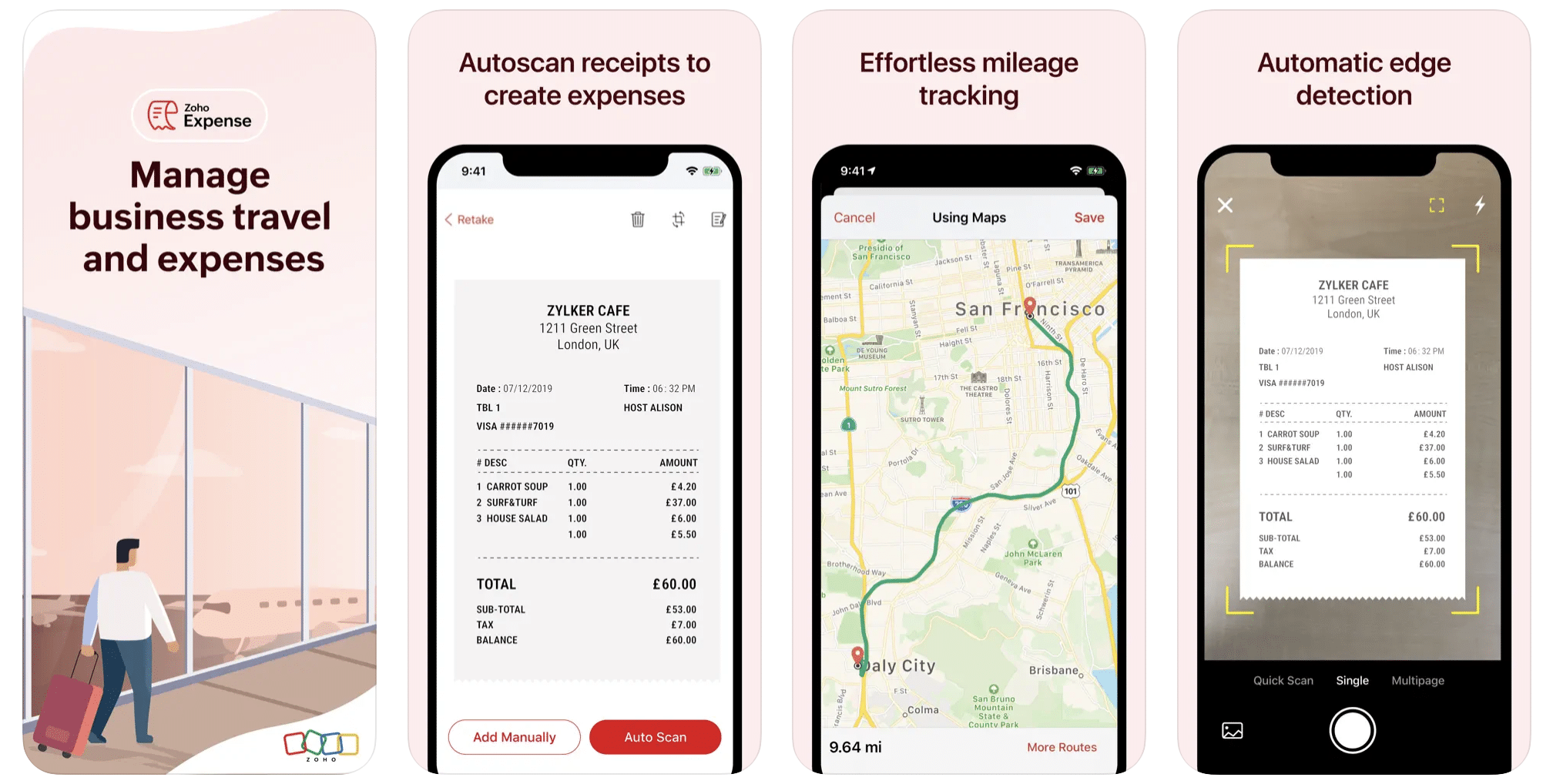
First up is Zoho Expense, which does exactly what its name says. This app is designed to allow companies to give employees a uniform way to create and submit expense reports. It can be used by individuals, including gig drivers, as well.
It includes a mileage tracker, as well as features that let you track other deductible expenses, including the ability to scan and record receipts.
Available on Android and Apple: Yes
Ratings: 4.8 stars on App Store, 4.7 stars on Google Play
Free Version: Yes
Subscription price: $3 per month, billed annually
Created specifically for gig drivers: No
2. Quickbooks Online
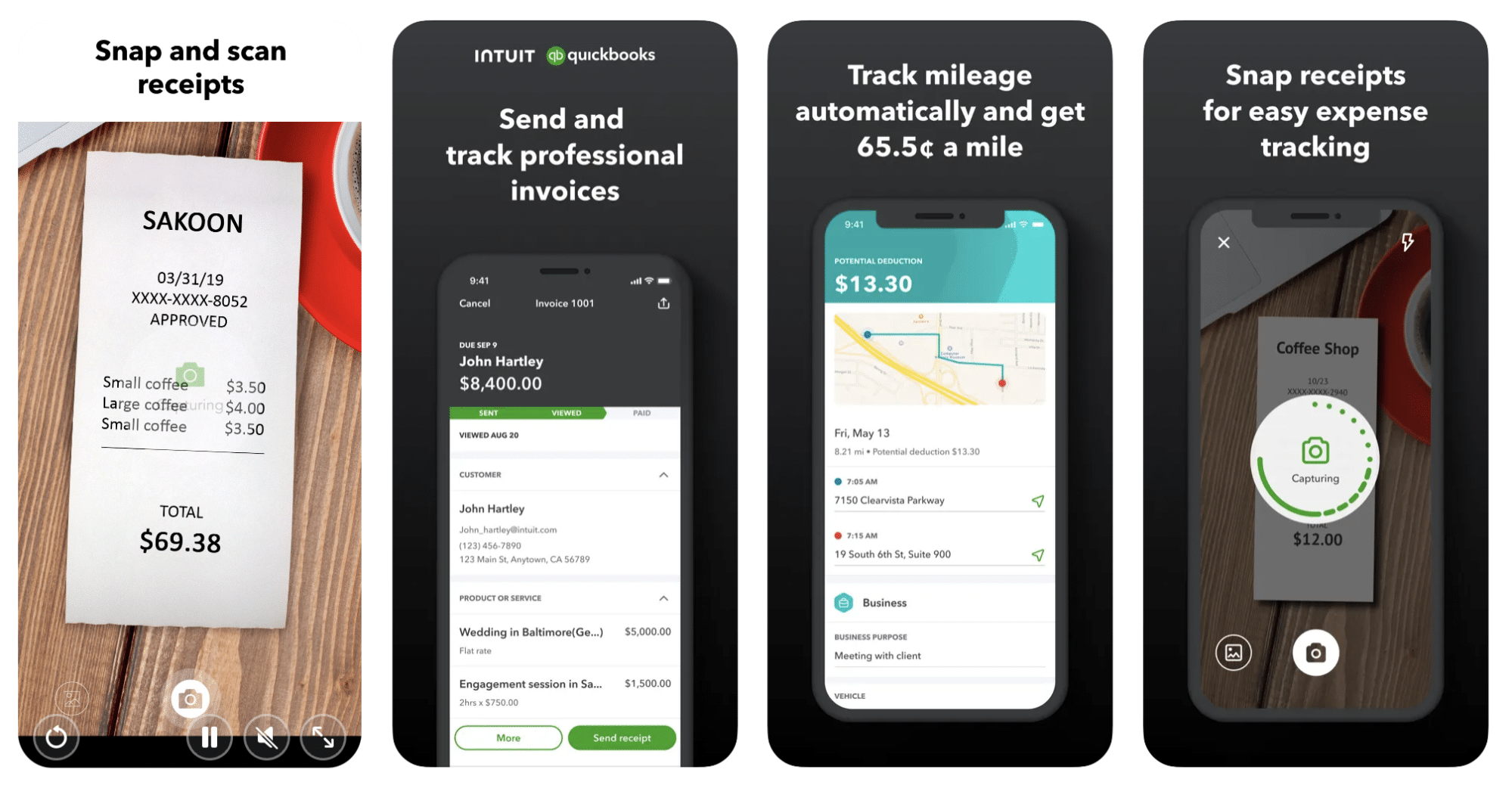
Quickbooks Online is a cloud-based app that allows you to track your mileage, earnings, and expenses. The information you enter can then be used to generate various reports that prepare you for tax time. It also allows you to create graphs that illustrate your cash flow, and includes a receipt scanner so you can instantly record deductible expenses. Quickbooks is popular, highly reliable, and designed mainly to help people keep track of their small businesses.
Available on Android and Apple: Yes
Ratings: 4.7 stars on App Store, 4.4 stars on Google Play
Free version: 30-day free trial
Subscription price: $15 per month for basic version if purchased for 3 months or more
Created specifically for gig drivers: No
Source: quickbooks.intuit.com
3. Shoeboxed
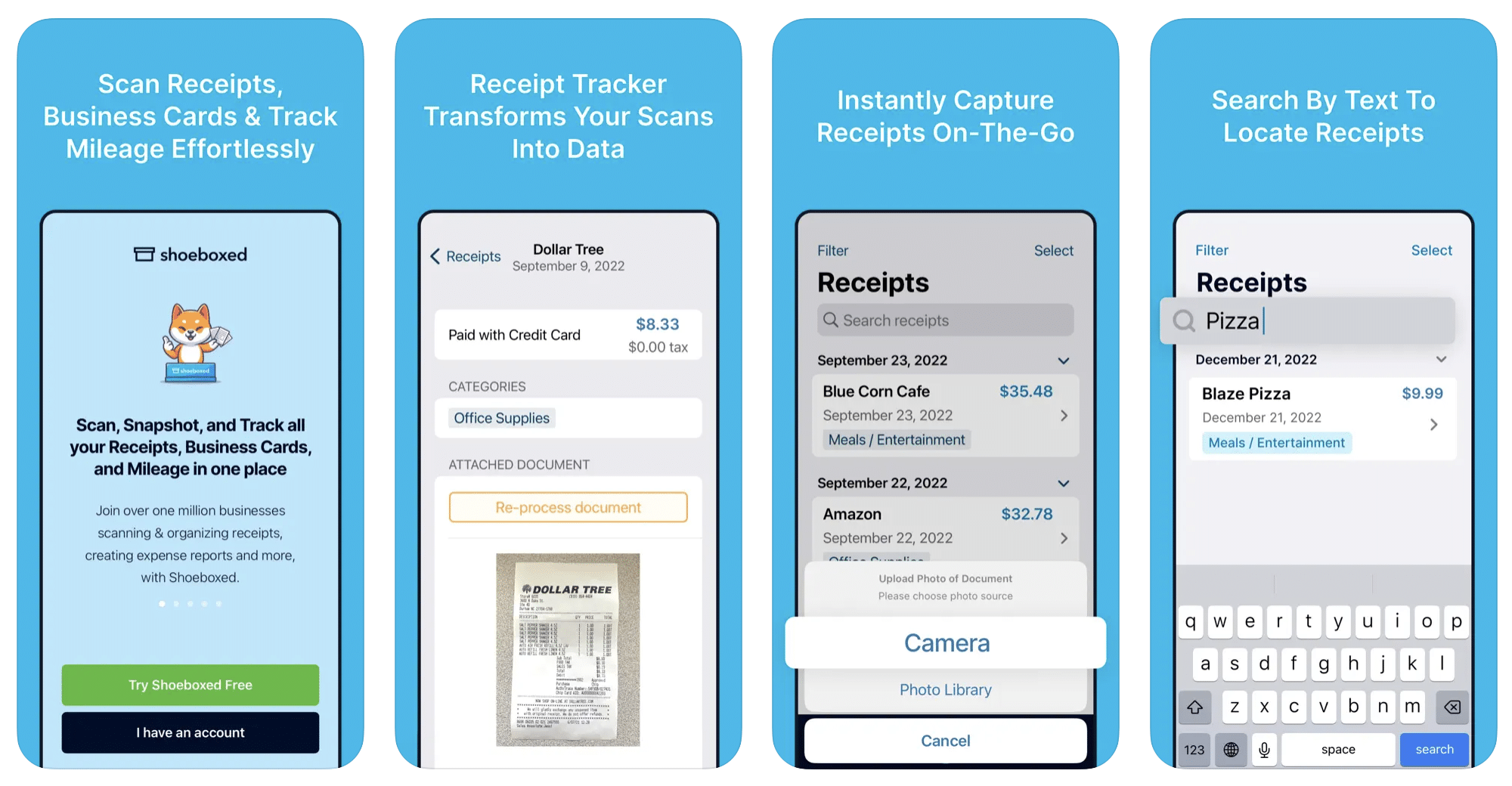
Shoeboxed started in 2007 as a service for scanning paper receipts into digital form. Now the app offers a free mileage tracker and has enabled users to scan receipts directly. It touts itself as the best mileage tracking app for DoorDash, but there are some elements missing that Dashers might like to have. While it provides features that record your expenses and prepare you for tax season, it doesn’t automatically track your earnings. The mileage tracker has a system where you can drop pins along your routes to make the tracking more precise, identifying those legs of a trip that you make for business purposes. The mileage tracker is “free” once you sign up for the basic version.
Available on Android and Apple: Yes
Ratings: 4.5 stars on App Store, 2.3 stars on Google Play
Free version: No
Subscription price: $18 per month for basic version
Created specifically for gig drivers: No
Source: blog.shoeboxed.com
4. Stride
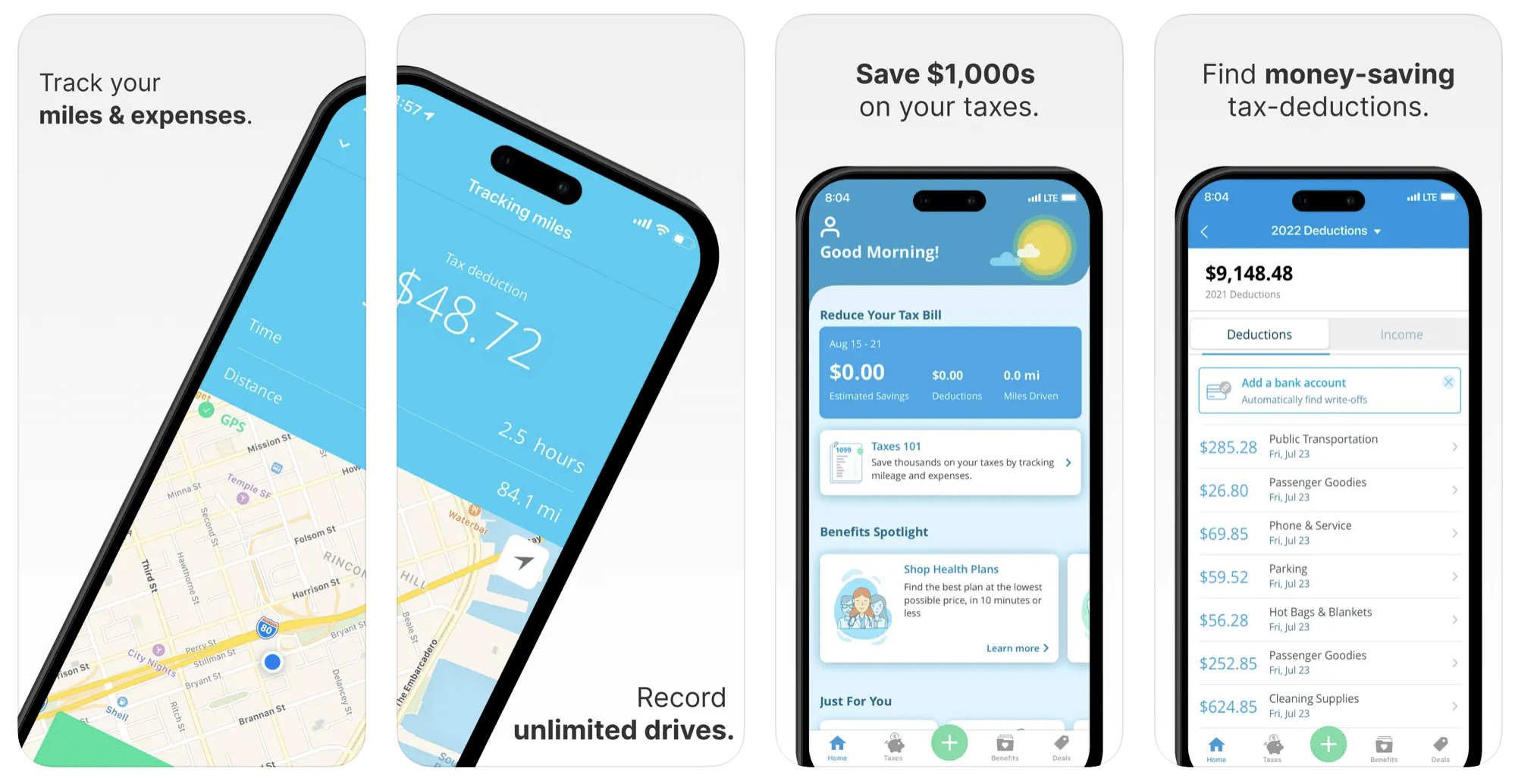
This free mileage tracker does a fair job of keeping track of the distances you rack up while gig driving, but it doesn’t automatically track earnings. It can be a big help, though, in tracking your expenses. You can link Stride to your bank account, and it will automatically scan your expenses to identify items you can potentially deduct. The app is totally free. This could make it the best free mileage tracker app, but there is a small price to pay. The app will persistently push you to consider various insurance plans that they are affiliated with. If you don’t mind that, this is a solid mileage tracker, even if it doesn’t track your earnings.
Available on Android and Apple: Yes
Ratings: 4.8 stars on App Store, 4.6 stars on Google Play
Free version: Yes
Subscription price: None. The app is free.
Created specifically for gig drivers: No
5. Gridwise
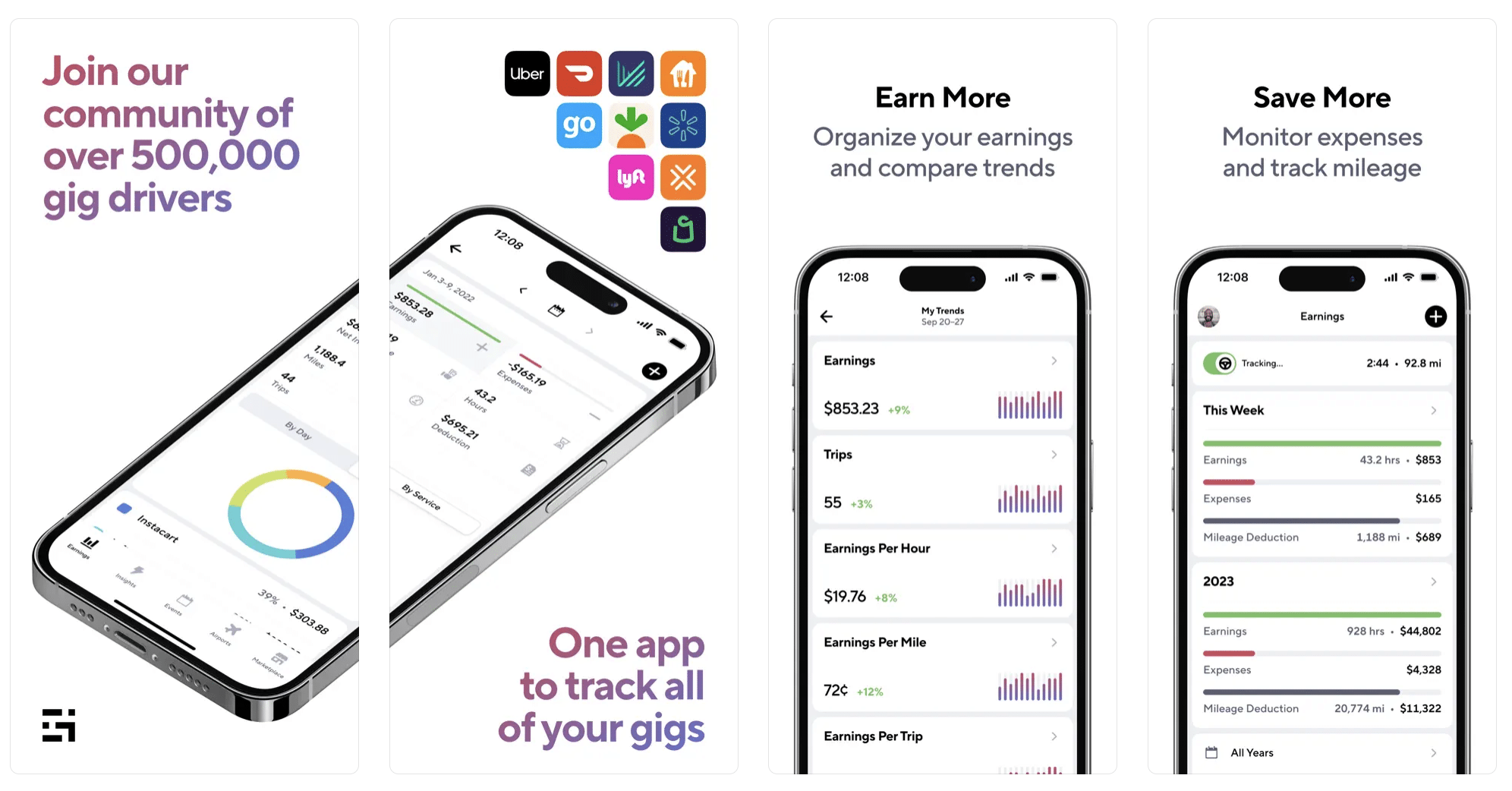
Gridwise has a free mileage tracker and free features that record your income and expenses. It gives you access to insurance and benefits, as well as insights about the best times and places to make the most money while gig driving. The Gridwise mileage tracker captures all the miles you drive while you’re on your driving shift, and it can be used if you have other trips you need to make which qualify as business travel.
Drivers love it because it is geared toward the needs of rideshare and delivery workers, providing free information about airport departures and arrivals, event start and let out times, weather, traffic, and more. The Gridwise Plus subscription adds value by providing additional insights and reports, discounts on benefits, the ability to export data in .csv format,, and more.
Available on Android and Apple: Yes
Ratings: 4.9 stars on App Store, 4.6 stars on Google Play
Free version: Yes
Subscription price: $9.95 per month for Gridwise Plus, or $95.99 per year (a $23.41 savings)
Created specifically for gig drivers: Yes!
What is the best mileage tracking app?
Now that we’ve checked them all out, we’re positive about the answer to that. Hands down, it’s Gridwise. Are we biased? You bet we are! But drivers love it too. Gridwise is the best mileage tracker app, and so much more. So many of the features are free, and the subscription to Gridwise Plus will pay for itself with additional insights to boost your earnings and deeper discounts on products and services.
Most important, Gridwise is designed specifically for gig drivers by experts who were once gig drivers themselves! Knowing what gig drivers need is a crucial step in creating an app that rideshare and delivery drivers can really use! Here are a few of the features, besides mileage tracking:
- seamless earnings tracking
- automatic, on/off toggle and manual mileage tracking
- mileage categorization
- airport, traffic, weather, and events information
- insights into where to drive and when to drive
- reports showing earnings across the platforms you use
- discounts on countless products and services for drivers
- additional resources for finding side gigs
- an informative and comprehensive blog
- affordable benefits, including insurance, medical, dental, and alternative practitioner discounts
- a community of drivers just like you
Don’t settle for just any app. Get the best mileage tracker, and so much more, from Gridwise!
Uber and Lyft Driver Instructions for Jacksonville International Airport (JAX)
Jacksonville International Airport can be a Gold mine for rideshare drivers. The airport sees more than 6.4 million passengers each and every year, which means a ton of opportunity for smart drivers.
But if you’re going to maximize your earnings at airports, you’re going to need to understand the ins and outs of Jacksonville International and develop a solid airport strategy.
Well, we want you to earn a boatload of money at Jacksonville International, so we’ve put together this instructional guide to help Uber and Lyft drivers be successful when driving JAX.
See the topics covered in this blog post below:
- What do I need to know or do before arriving at Jacksonville International?
- Do you need any permits to drive at Jacksonville International?
- Where is the rideshare waiting area at Jacksonville International?
- What are the passenger pick up rules at Jacksonville International?
- What are the passenger drop off rules at Jacksonville International?
- When is the best time to drive at Jacksonville International?
- What is the best Jacksonville International driving strategy?
Let’s dive in!
What do I need to do before I arrive at Jacksonville International and enter the airport queue?
Step #1: Get your trade dress
Never forget your trade dress! Every rideshare driver knows that you have to always have your trade dress visible on your car, and it’s especially important at the airport. If you are seen picking up passengers with no trade dress, be prepared to receive a ticket! So before you do anything you must make sure that you have your Uber or Lyft decals. You can easily pick these up from one of the rideshare companies.
To get your Uber Decal you can visit the local Greenlight Hub.
To get your Lyft Decal you can place an order on your dashboard. You can also print a temporary decal if you lose yours or are waiting for one to come in the mail.
Step #2: Know the airport regulations
One of the nice things about JAX is that you don’t need a specific airport decal to drive there, however, there are a few key rules and regulations that you must follow.
- Always keep one of your rideshare apps on at all times while on airport property
- Don’t wait in any other areas except the designated staging areas (see the map below). Not only is this against regulations but you also won’t be added to the queue. So if there is no room in the staging lot you must leave. This means NO WAITING ON AIRPORT PROPERTY!!!
- DO NOT pick up passengers directly from the terminal.
Where is the Uber/Lyft waiting area at Jacksonville International Airport?
Many airports have a “staging lot” where Uber and Lyft drivers can wait for airport pings. Well, not Jacksonville International.
Instead, rideshare drivers can only wait in the FiFo zones off airport property. Check out the map below to see where that zone is.
Note that this is NOT the “cell lot”. Rideshare drivers are not allowed to wait on airport property and can expect a $250 fine if caught waiting on the property.
Once you get the the FiFo zone you’ll automatically be entered into the airport queue. It will be up to you to find a spot to wait.
How should Uber and Lyft drivers pick up passengers at Jacksonville International?
Picking up passengers is fairly easy at Jacksonville International. Simply drive to the arrivals level of the airport and meet your passenger at the TNC area. You should expect a 5 or so minute drive to pick up your passengers since you’ll be waiting somewhere off airport property, so it would be a good idea to send your passenger a heads up that you’re on your way.
The Uber/Lyft app will automatically direct the rider to go to the designated area depending on their terminal.
How should Uber and Lyft drivers drop off passengers at Jacksonville International Airport?
Dropping off passengers at Jacksonville International is easy as can be. You can simply drop passengers off at their requested terminal and that’s it! No special rules here.
When is the best time to drive at Jacksonville International?
As we said at the beginning of our guide Jacksonville International is one of the busiest in the world and there are tons of passengers traveling through every single day no matter the season. However, you’re not the only driver that knows that. So there is also usually a ton of drivers at the airport.
So the best time to drive at JAX is when the ratio of passengers to drivers is at its absolute highest.
To understand when this ratio is highest, check your Gridwise app and compare queue times to passenger arrival times.

There are of course certain times of year that receive more passengers like Christmas, Thanksgiving, New Years, and the Saturday before big basketball games (Go Suns!), however, the best way to understand rider demand at your airport is with Gridwise.
You can also use Gridwise airport alerts to remind you when rider demand is increasing. You can simply set up alerts that will remind you when demand at the airport is at a certain level so you don’t need to continuously check.

What is the Best Strategy to use at JAX?
Pick up a passenger on the way to the airport!
Don’t just be a driver that picks up passengers at the airport! Also, pick them up when they are heading to the airport. Gridwise does a great job of telling you when there is also a peak in airport departures, so you can hang around near hotels at that time to maximize your chances of an airport ride.

Do not cancel on a passenger after you’ve accepted a fare
If you do, you will be bumped to the bottom of the queue and your wait starts all over again. The good news is that if it’s a short ride, some companies let you jump back in line after you’ve dropped that passenger off.
Look out for your short ride bump
After waiting for some time at the airport for a passenger, there is nothing worse than getting a ride that’s 5-minutes away. That’s why the major rideshare companies have some form of a short ride bump that allows you to jump back into the front of the line if you get a very short ride request.
To take advantage of a short ride bump, simply complete your short ride and look out for a text message or in-app message that gives you the option to head back to the TNC lot for a preferred spot in the queue.
Always be prepared
You never know when law enforcement will show up, so always keep your driver’s license, insurance card, and registration handy. And don’t forget to have your placard displayed.
Now you should be ready to make that drive to JAX and actually earn money instead of snacking on candy from Sunoco. I’m not the only one who does that, right?

Uber and Lyft Driver Instructions for Phoenix Sky Harbor International Airport (PHX)
Phoenix Sky Harbor International Airport can be a absolute gold mine for rideshare drivers. Phoenix’s flagship airport sees more than 43 million passengers traveling through the airport each year and a significant amount of those passengers are going to need rides to their homes and offices.
This means a wealth of opportunity for rideshare drivers like us.
But to be able to make some serious cash as a Uber or Lyft driver at Phoenix Sky Harbor International Airport you’re going to need to know the ins and outs of the airport and also have a solid airport strategy.
We want you to earn a boatload of money at Sky Harbor, so we’ve put together this instructional guide to help Uber and Lyft drivers be successful when driving PHX.
See the topics covered in this blog post below:
- What do I need to know or do before arriving at Sky Harbor International?
- Do you need any permits to drive at Sky Harbor International?
- Where is the rideshare waiting area at Sky Harbor International?
- What are the passenger pick up rules at Sky Harbor International?
- What are the passenger drop off rules at Sky Harbor International?
- When is the best time to drive at Sky Harbor International?
- What is the best Sky Harbor International driving strategy?
Let’s dive in!
What you need to know/do before you arrive at Sky Harbor International and enter the airport queue
There’s are a quite a few rideshare companies that operate in Phoenix including Uber, Lyft, and totalride which all operate to some capacity at Sky Harbor and employ the FiFo system meaning First in, First Out. Basically, this means that when you are in the designated area as a rideshare driver at Sky Harbor and you have your app turned on, you’ll be automatically entered into the airport queue and assigned a number.
From there, you simply wait for your number to be called and you will receive a passenger queue.
It sounds easy enough, but there are a few steps that you should take before you arrive at the airport to ensure that you’re prepared.
Step #1: Get your trade dress
Every rideshare driver knows that you have to always have your trade dress visible on your car, and it’s especially important at the airport. If you are seen picking up passengers with no trade dress, be prepared to receive a ticket! So before you do anything you must make sure that you have your Uber or Lyft decals. You can easily pick these up from one of the rideshare companies.
To get your Uber Decal you can visit the local Greenlight Hub.
To get your Lyft Decal you can place an order on your dashboard. You can also print a temporary decal if you lose yours or are waiting for one to come in the mail.
Step #2: Know the airport regulations
One of the nice things about PHX is that you don’t need a specific airport decal to drive there, however, there are a few key rules and regulations that you must follow.
- Always keep one of your rideshare apps on at all times while on airport property
- Don’t wait in any other areas except the designated staging areas (see the map below). Not only is this against regulations but you also won’t be added to the queue. So if there is no room in the staging lot you must leave.
- DO NOT pick up passengers directly from the terminal. In November 2018 the rideshare pickup point was moved which we outline below. Picking up a passenger from the terminal will result in a ticket.
Step #3: Make sure that you have the necessary airport permits
Many airports require drivers to get special permits or stickers in order to pick up and even drop off passengers.
Luckily, Sky Harbor isn’t one of those airports! No special permits required here!
Where is the Uber/Lyft waiting area at Sky Harbor?
The are a few waiting areas (or staging lots) at Sky Harbor. They are at the following locations:
- Ground Transportation Staging Lot on 2323 E Sky Harbor Circle North (Lot #1 on the map below)
- GPS Staging Lot by the Sky Train Station (Lot #3 on the map below)
- Transportation Hold Lot on Washington and 44th St (Lot #2 on the map below)
- Facilities accessible with key code 7064
For directions, simply click on any of the blue area in the map below and you’ll be routed to Google Maps.
Again, once you’re in the staging lot you’ll be automatically entered into the queue.
How should Uber and Lyft drivers pickup passengers at Phoenix Sky Harbor?
Over the last few years pick ups from Phoenix Sky Harbor have become easier and easier thanks to the rideshare companies working closely with the airport.
Currently, each terminal has a designatd pick up point for all rideshare companies.
- Terminal 2:
- Rideshare pickup zone: Inner curb, past Door 8 at the end of the terminal
- Prearranged pickup zone: Outer curb, past Door 8 at the end of the terminal
- Terminal 3:
- Rideshare pickup zone: Outer curb, outside door 2
- Prearranged pickup zone: Outer curb, outside Door 6
- Terminal 4:
- North rideshare pickup zone: Outer curb, outside Door 1 near the beginning of the terminal
- South rideshare pickup zone: Outer curb, outside Door 8 near the beginning of the terminal
- North prearranged pickup zone: Outer curb, midway through the terminal
The Uber/Lyft app will automatically direct the rider to go to the designated area depending on their terminal.
How should Uber and Lyft drivers drop off passengers at Phoenix Sky Harbor?
Dropping off passengers at Phoenix Sky Harbor is easy as can be. You can simply drop passengers off at their requested terminal and that’s it! No special rules here.
One thing to note is that both Uber and Lyft offer some form of a re-match that allows drivers that just dropped off a passenger to immediately pick up a passenger. This doesn’t always happen and if it does, it will be within 2 minutes of your dropoff. So DON’T wait around the airport. That’s an easy way to win yourself a ticket!
When is the best time to drive at Phoenix Sky Harbor?
As we said at the beginning of our guide Phoenix Sky Harbor is one of the busiest in the world and there are tons of passengers traveling through every single day no matter the season. However, you’re not the only driver that knows that. So there is also usually a ton of drivers at the airport.
So the best time to drive at PHX is when the ratio of passengers to drivers is at its absolute highest.
To understand when this ratio is highest, check your Gridwise app and compare queue times to passenger arrival times.
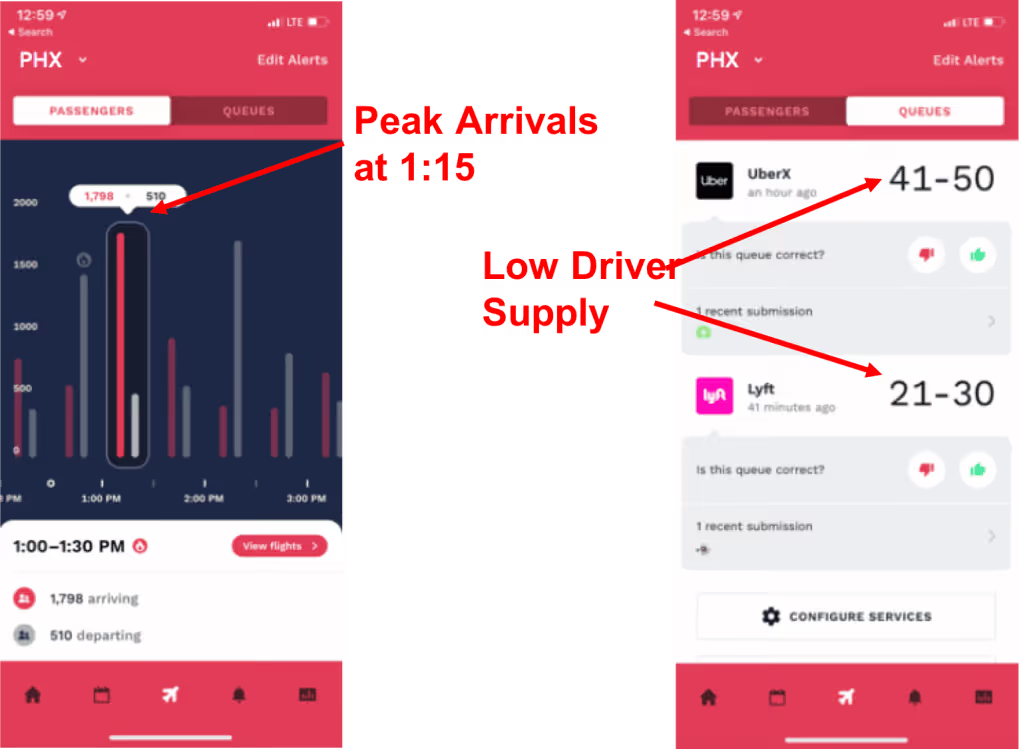
There are of course certain times of year that receive more passengers like Christmas, Thanksgiving, New Years, and the Saturday before big basketball games (Go Suns!), however, the best way to understand rider demand at your airport is with Gridwise.
You can also use Gridwise airport alerts to remind you when rider demand is increasing. You can simply set up alerts that will remind you when demand at the airport is at a certain level so you don't need to continuously check.
What is the Best Strategy to use at PHX?
Pick up a passenger on the way to the airport!
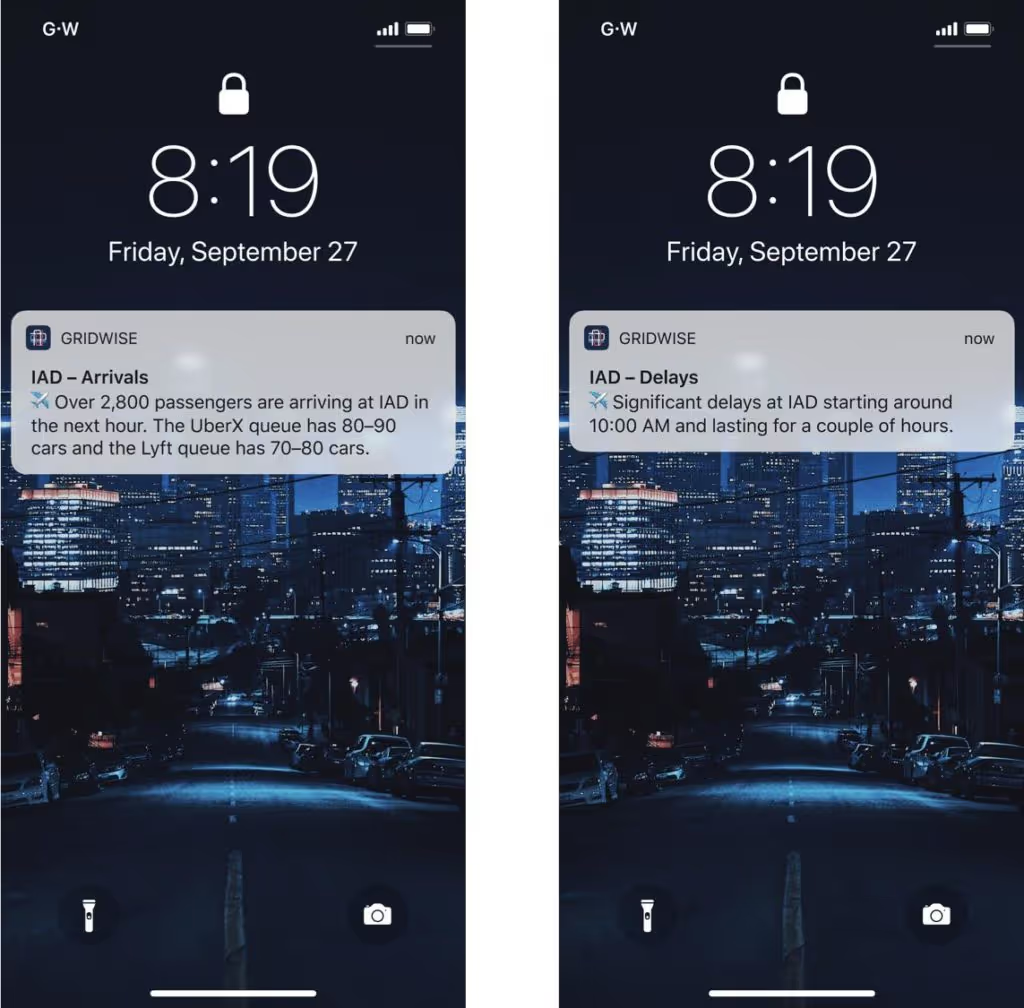
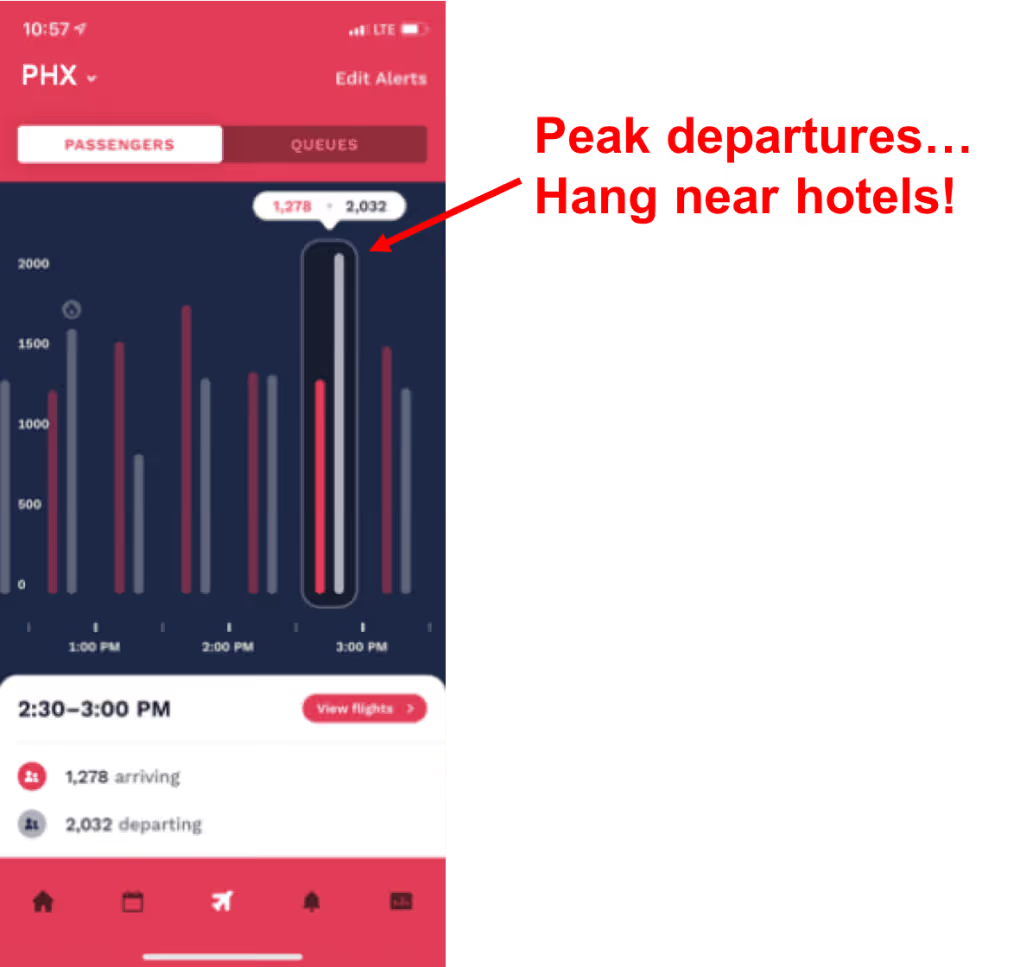
Don’t just be a driver that picks up passengers at the airport! Also pick them up when they are heading to the airport. Gridwise does a great job of telling you when there is also a peak in airport departures, so you can hang around near hotels at that time to maximize your chances of an airport ride.
Do not cancel on a passenger after you’ve accepted a fare
If you do, you will be bumped to the bottom of the queue and your wait starts all over again. The good news is that if it’s a short ride, some companies let you jump back in line after you’ve dropped that passenger off.
Look out for your short ride bump
After waiting for some time at the airport for a passenger, there is nothing worse than getting a ride that’s 5-minutes away. That’s why the major rideshare companies have some form of a short ride bump that allows you to jump back into the front of the line if you get a very short ride request.
To take advantage of a short ride bump, simply complete your short ride and look out for a text message or in-app message that gives you the option to head back to the TNC lot for a preferred spot in the queue.
Always be prepared
You never know when law enforcement will show up, so always keep your driver’s license, insurance card, and registration handy. And don’t forget to have your placard displayed.
Now you should be ready to make that drive to PHX and actually earn money instead of snacking on candy from Sunoco. I’m not the only one who does that, right?

Uber and Lyft Driver Instructions for Austin-Bergstrom International Airport (ABIA)
Austin is a rapidly growing city, and so is its airport. More than 1.4 million people travel through Austin International every month and the airport is now the second fastest growing airport in the nation.
This is great news for rideshare drivers because it means more opportunity IF you know how to take advantage of it. All too often we find drivers that waste time and fail when driving passengers from and to Austin-Bergstrom International because they just don’t know the rules of the airport or have a great airport strategy.
Well, we want drivers in the Austin area to maximize their airport earnings, so we’ve put together this instructional guide to help Uber and Lyft drivers be successful (and maximize their earnings) when driving at Austin-Bergstrom International Airport.
See the topics covered in this blog post below:
- What do I need to know or do before arriving at Austin International Airport?
- Do I need any permits for Austin International Airport?
- Where is the rideshare waiting area at Austin International Airport?
- What are the passenger pick up rules at Austin International Airport?
- What are the passenger drop off rules at Austin International Airport?
- When is the best time to drive at Austin International Airport?
- What is the best Austin International Airport driving strategy?
Let’s dive in!
What you need to know/do before you arrive at ABIA and enter the airport Queue
There are quite a few different rideshare companies available in Austin, however, not all of them are available at ABIA and the rideshare companies that do operate at ABIA use some sort of a FiFo system meaning First in, First Out. Basically, this means that when you are in the designated area as a rideshare driver at ABIA and you have your app turned on, you’ll be automatically entered into the airport queue and assigned a number.
From there, you simply wait for your number to be called and you will receive a passenger queue.
It sounds easy enough, but there are a few steps that you should take before you arrive at the airport to ensure that you’re prepared.
Step #1: Get your trade dress
Every rideshare driver knows that having your trade dress is a absolute must, especially when you’re driving at airports. Without these decals you can easily pick up a ticket or fine. So before you do anything you must make sure that you have your Uber or Lyft decals. You can easily pick these up from one of the rideshare companies.
To get your Uber Decal you can visit the local Greenlight Hub.
To get your Lyft Decal you can place an order on your dashboard. You can also print a temporary decal if you lose yours or are waiting for one to come in the mail.
Step #2: Know the airport regulations
One of the nice things about ABIA is that you don’t need a specific airport decal to drive there, however, there are a few key rules and regulations that you must follow.
- Always keep one of your rideshare apps on at all times while on airport property
- Don’t wait in any other areas except the designated staging areas (see the map below). Not only is this against regulations but you also won’t be added to the queue. So if there is no room in the staging lot you must leave.
- DO NOT pick up passengers directly from the terminal. In November 2018 the rideshare pickup point was moved which we outline below. Picking up a passenger from the terminal will result in a ticket.
Where is the Uber/Lyft waiting area at ABIA?
The waiting area for all rideshare companies at ABIA has recently changed to be on the ground level of the rental car garage. You can follow the signs for “Rental Car Return” or you can use the Google Map below.
For directions, simply click on the blue area in the map below and you’ll be routed to Google Maps.
Again, once you’re in the staging lot you’ll be automatically entered into the queue.
How should Uber and Lyft drivers pick up passengers at ABIA?
Pickups at ABIA have changed as of November 19, 2018 as the airport now requires all passengers to be picked up from the area located on the ground level of the rental car garage. You will need to follow signs that say “rental car garage” once you exit the TNC staging lot in order to find your passengers.
Your passengers will be instructed to meet you at your pick up point.
The pickup point is the purple area of the map below. You can click on the link below for directions.
You should also note that Lyft and Uber have launched their “pre-dispatch” feature at ABIA that basically tells drivers to start heading toward the pickup area before you have actually received a ride request.
A pre-dispatch message looks like this:

If you receive this message, head towards your pick up point but keep an eye on your app as you may not receive a request. I know, that’s annoying, but just drive back to the TNC staging lot and you’ll keep your place in line.
Please also note that Lyft has been turning this off at airports around the country, so this feature may disappear at any time.
How should Uber and Lyft drivers drop off passengers at ABIA?
Dropping off passengers at ABIA is a breeze. Just drop your passenger off at their requested airline and that’s it! Nothing has recently changed and there are no special rules.
One thing to note is that both Uber and Lyft offer some form of a re-match that allows drivers that just dropped off a passenger to immediately pick up a passenger. This doesn’t always happen and if it does, it will be within 2 minutes of your dropoff. So DON’T wait around the airport. That’s an easy way to win yourself a ticket!
When is the best time to drive at ABIA?
As we said at the beginning of this article, ABIA is one of the busiest airports in the southwest as there are thousands of passengers traveling through every single day no matter the season. However, you’re not the only driver that knows that. So there is also usually a ton of drivers at the airport.
So the best time to drive at ABIA is when the ratio of passengers to drivers is at its absolute highest.
To understand when this ratio is highest, check your Gridwise app and compare queue times to passenger arrival times.

There are of course certain times of year that receive more passengers like Christmas, Thanksgiving, New Years, and the Saturday before big football games (Go Longhorns!), however, the best way to understand rider demand at your airport is with Gridwise.
What is the best strategy to use at ABIA
Pick up a passenger on the way to the airport!
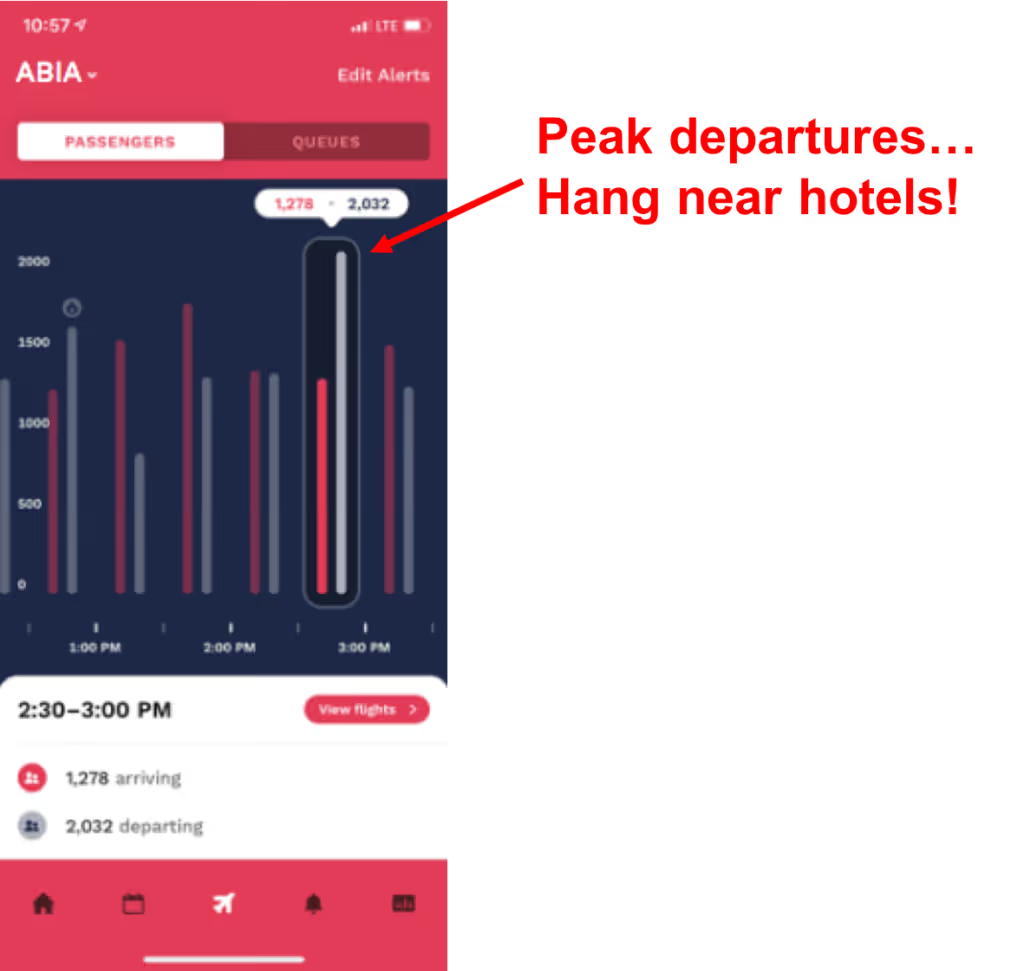
Don’t just be a driver that picks up passengers at the airport! Also pick them up when they are heading to the airport. Gridwise does a great job of telling you when there is also a peak in airport departures, so you can hang around near hotels at that time to maximize your chances of an airport ride.
Do not cancel on a passenger after you’ve accepted a fare
If you do, you will be bumped to the bottom of the queue and your wait starts all over again. The good news is that if it’s a short ride, some companies let you jump back in line after you’ve dropped that passenger off.
Look out for your short ride bump
After waiting for some time at the airport for a passenger, there is nothing worse than getting a ride that’s 5-minutes away. That’s why the major rideshare companies have some form of a short ride bump that allows you to jump back into the front of the line if you get a very short ride request.
To take advantage of a short ride bump, simply complete your short ride and look out for a text message or in-app message that gives you the option to head back to the TNC lot for a preferred spot in the queue.
Always be prepared
You never know when law enforcement will show up, so always keep your driver’s license, insurance card, and registration handy. And don’t forget to have your placard displayed.
Now you should be ready to make that drive to ABIA and actually earn money instead of snacking on candy from Sunoco. I’m not the only one who does that, right?
Uber and Lyft Driver Instructions for Dallas/Fort Worth International Airport (DFW)
Dallas/Fort Worth International Airport or DFW is an absolutely legendary airport. More than 67 million passengers go in and out of the doors at DFW each and every year making it the 4th busiest hotel in the US.
For rideshare drivers, this means DFW is a huge earning opportunity if taken advantage of properly, but all too often we find drivers that waste time and fail when driving passengers from and too DFW because they just don’t know the rules of the airport or a great airport strategy.
Well, we want Drivers in the Dallas/Fortworth area to reap the benefits of having one of the world’s largest airports in their backyard, that’s why we’ve put together this instructional guide to help Uber and Lyft drivers be successful when driving DFW.
See the topics covered in this blog post below:
- What do I need to know or do before arriving at DFW?
- What airport permits do I need and how do I get one?
- Where is the rideshare waiting area at DFW?
- What are the passenger pick up rules at DFW?
- What are the passenger drop off rules at DFW?
- When is the best time to drive at DFW?
- What is the best DFW driving strategy?
Let’s dive in!
What you need to know/do before you arrive at DFW and enter the airport Queue
DFW, like most other airports, works as a first come, first serve or FIFO for rideshare drivers. This means that you’ll enter a queue as soon as you get inside the “designated area” and simply wait for your number to get called.
This can sometimes be fast, but if you come at a bad time you can be waiting for more than an hour to be pinged.
However, before you get to the airport there are a few steps that you should take to ensure that you’re prepared.
Step #1: Get your trade dress:
Every rideshare driver knows that having your trade dress is an absolute must, especially when you’re driving at airports. Without these decals you can easily pick up a ticket or fine. So before you do anything you must make sure that you have your Uber or Lyft decals. You can easily pick these up from one of the rideshare companies.
To get your Uber Decal you can visit the local Greenlight Hub.
To get your Lyft Decal you can place an order on your dashboard. You can also print a temporary decal if you lose yours or are waiting for one to come in the mail.
Step #2: Get your free airport vehicle decal:
At DFW, not only do you need your trade dress, but you also need a special sticker for the airport. Luckily, it’s very easy to obtain. Just complete the below steps:
- Print out and complete this form
- Visit the Ground Transportation office at 2444 East 30th St between 8:30 and 4:00 Monday through Thursday or 8:30 and 2:00 on Fridays to pick up your decal
That’s it!
You should take note that rideshare drivers DO NOT need a for-hire permit to obtain a airport decal at DFW.
Once you receive your decal, you should place it on your front windshield right below your Uber sticker.
Where is the Uber/Lyft waiting area at DFW?
Ok! So you’re ready to head over to DFW to pick up some easy rides, but before you go you need to know where you should be waiting!
The first place you should go is the Uber/Lyft staging lot which is located right near terminal A off of service road.
Check out our custom map of the airport below. For directions, simply click on the map and you’ll be routed to Google Maps.
Again, once you’re in the staging lot you’ll be automatically entered into the queue.
How should Uber and Lyft drivers pick up passengers at DFW?
Pickups at DFW have gotten easier and easier to complete over the past few years. Now, when a rider requests a ride from a terminal they will be given a letter for their corresponding terminal and must meet you at the green curbs that indicate the rideshare pick up zone.
Easy!
How should Uber and Lyft drivers drop off passengers at DFW?
Dropping off passengers at DFW is easy as can be. You can simply drop passengers off at their requested terminal and that’s it! No special rules here.
One thing to note is that both Uber and Lyft offer some form of a re-match that allows drivers that just dropped off a passenger to immediately pick up a passenger. This doesn’t always happen and if it does, it will be within 2 minutes of your dropoff. So DON’T wait around the airport. That’s an easy way to win yourself a ticket!
When is the best time to drive at DFW?
As we said in the beginning of our guide, DFW is not only the main airport for Dallas, but also one of the busiest in the world, there are tons of passengers traveling through every single day no matter the season. However, you’re not the only driver that knows that. So there is also usually a ton of drivers waiting at the airport.
So the best time to drive at DFW is when the ratio of passengers to drivers is at its absolute highest.
To understand when this ratio is highest, check your free Gridwise app and compare queue times to passenger arrival times.
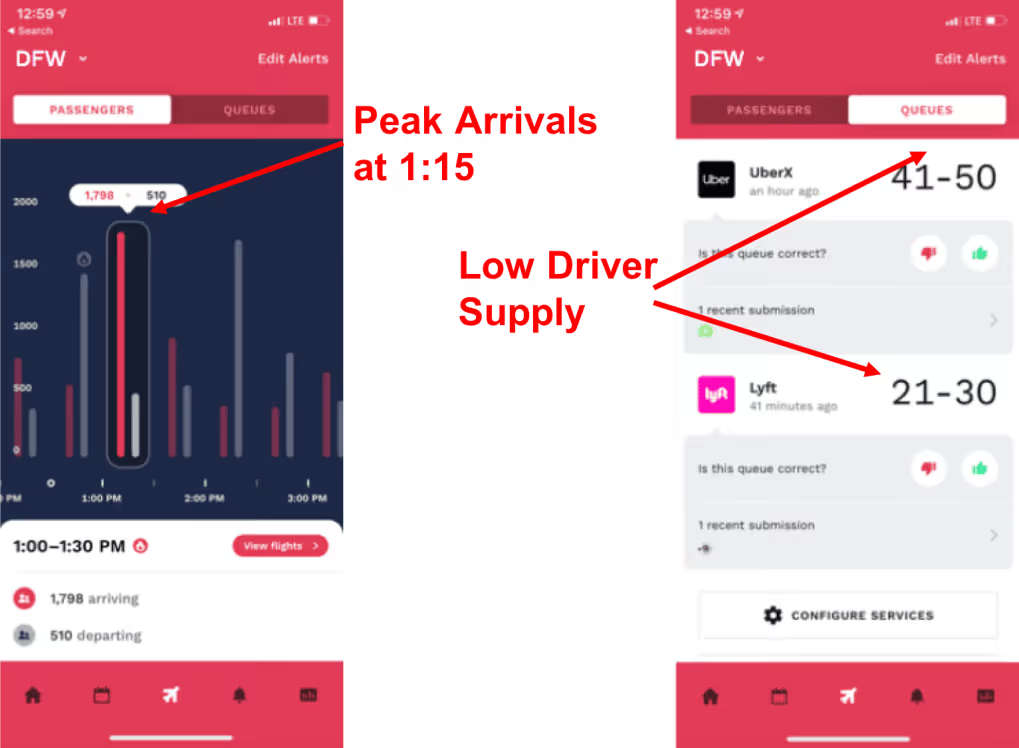
There are of course certain times of year that receive more passengers like Christmas, Thanksgiving, New Years, and the Saturday before big football games (Go Cowboys!), however, the best way to understand rider demand at your airport is with Gridwise.
What is the Best Strategy to use at DFW?
Pick up a passenger on the way to the airport!
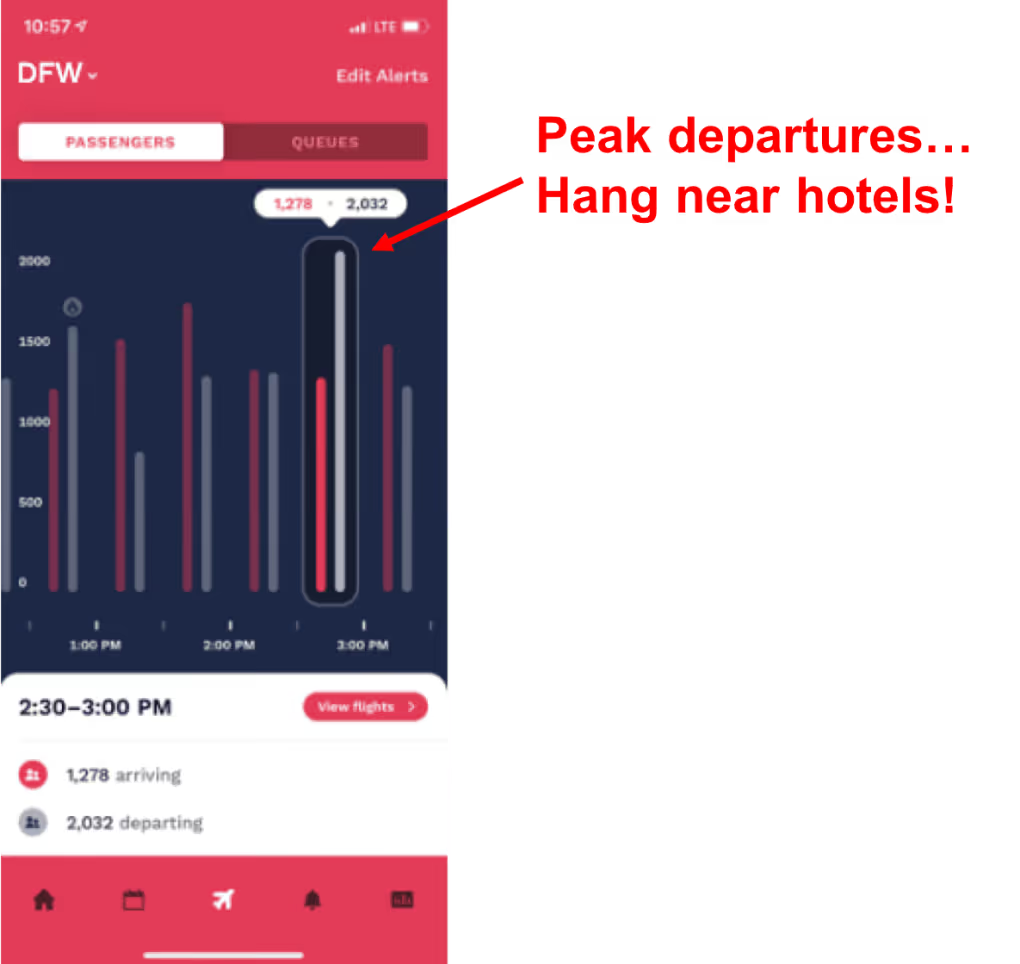
Don’t just be a driver that picks up passengers at the airport! Also pick them up when they are heading to the airport. Gridwise does a great job of telling you when there is also a peak in airport departures, so you can hang around near hotels at that time to maximize your chances of an airport ride.
Do not cancel on a passenger after you’ve accepted a fare
If you do, you will be bumped to the bottom of the queue and your wait starts all over again. The good news is that if it’s a short ride, some companies let you jump back in line after you’ve dropped that passenger off.
Always be prepared
You never know when law enforcement will show up, so always keep your driver’s license, insurance card, and registration handy. And don’t forget to have your placard displayed.
Now you should be ready to make that drive to LAX and actually earn money instead of snacking on candy from Sunoco. I’m not the only one who does that, right?
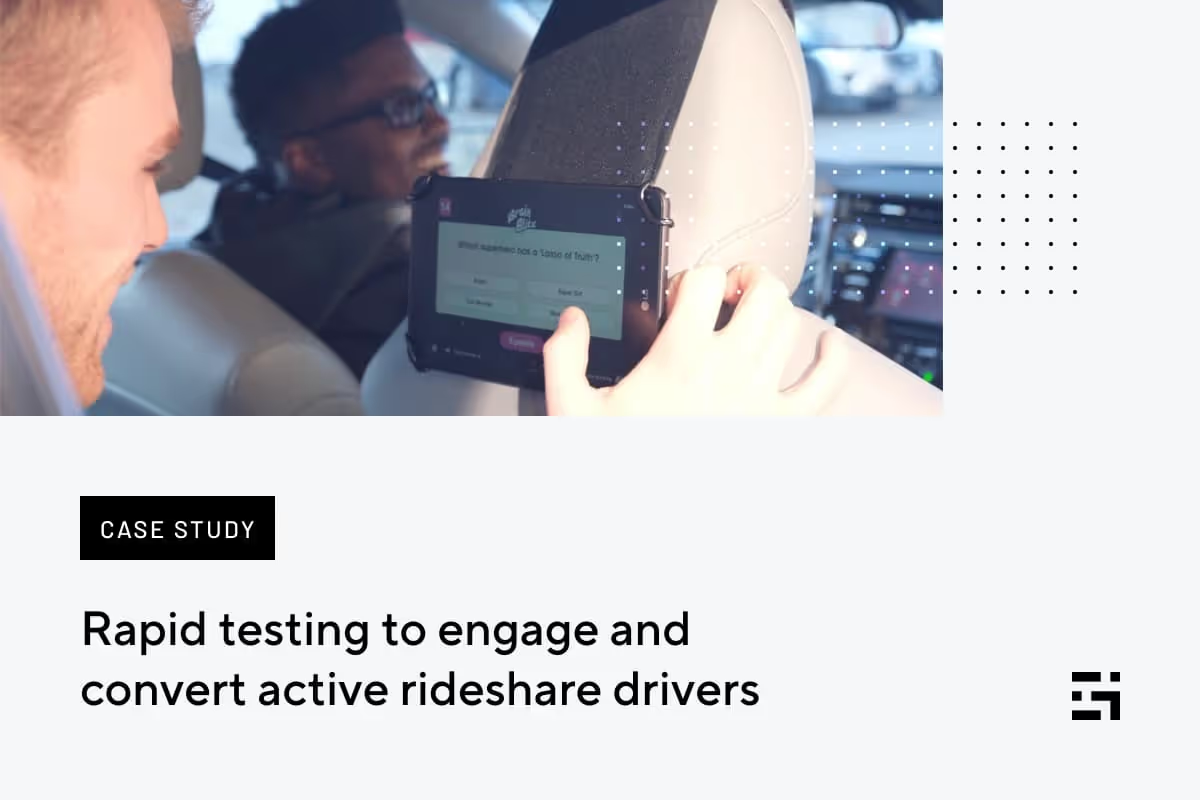
Case Study: Rapid Testing to Engage and Convert Active Rideshare Drivers
Clay and Ryan were there every step of the way to help us think through changes and strategy… love having account managers that are actually experts!
Overview
This is an incredibly valuable tool that helps rideshare drivers earn more tip income and higher ratings while giving advertisers an opportunity to engage a captive audience.
Play Octopus is the industry leader in rideshare entertainment and advertising. They improve the rideshare experience for both riders and drivers by providing tablets that feature original games, prizes, informative content, and interactive video advertisements.
Problem
“We want drivers, but we also want the most active drivers” - Nicki Martinez
Play Octopus provides a great way for drivers to earn extra income by simply placing a free tablet in their vehicle, so it’s incredibly valuable for any driver. But the drivers that get the most out of Play Octopus are the most active drivers. “We would love every driver to be using Play Octopus, but the most active drivers that are putting in the most miles and getting in front of the most passengers is the best fit for Octopus” said Nicki Martinez, Director of Driver Growth at Play Octopus.
The team at Play Octopus had been leveraging word of mouth marketing along with Facebook advertising to attract drivers, but were also looking for the most active drivers. “We’ve been leveraging other platforms like Facebook and word of mouth has been great, but we were looking for a better way to target drivers that were working 40+ hours a week.” said Nicki.
So when Nicki came across Gridwise, a platform tailor made for the most active rideshare drivers, she didn’t hesitate to reach out.
Strategy
Our blog content campaign had a 44% on page CTR. The content was instrumental in our new market launch.
When you work with Gridwise, you don’t just get access to an ad platform, you gain access to a team of digital marketers that are experts in engaging rideshare drivers that are dedicated to ensuring your campaigns success.
So after gaining an understanding of Play Octopus’s product and needs, the Gridwise team worked the Play Octopus to develop a multichannel marketing campaign designed to engage and nurture active rideshare drivers.
Play Octopus’s campaign kicked off with in-app banner ads, Card ads, and ads included at the bottom of each email that were immediately A/B tested. Play Octopus and Gridwise’s account management team then worked to rigourselly a/b test the ads to achieve a 22% CTR increase in less than 30 days.
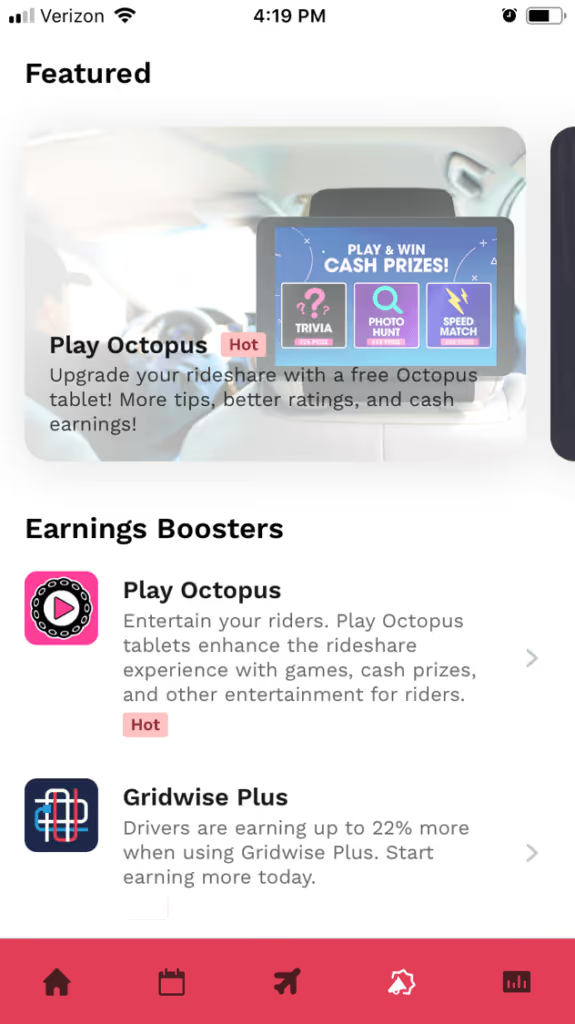
Shortly after Play Octopus’s in-app ads launched, Gridwise developed a dedicated blog post written by our in house creative content team that featured an interview with a Play Octopus driver. This blog post was emailed to over 50,000 rideshare drivers across the United States and saw a 44% click through rate and was a key component of their market launch strategy.
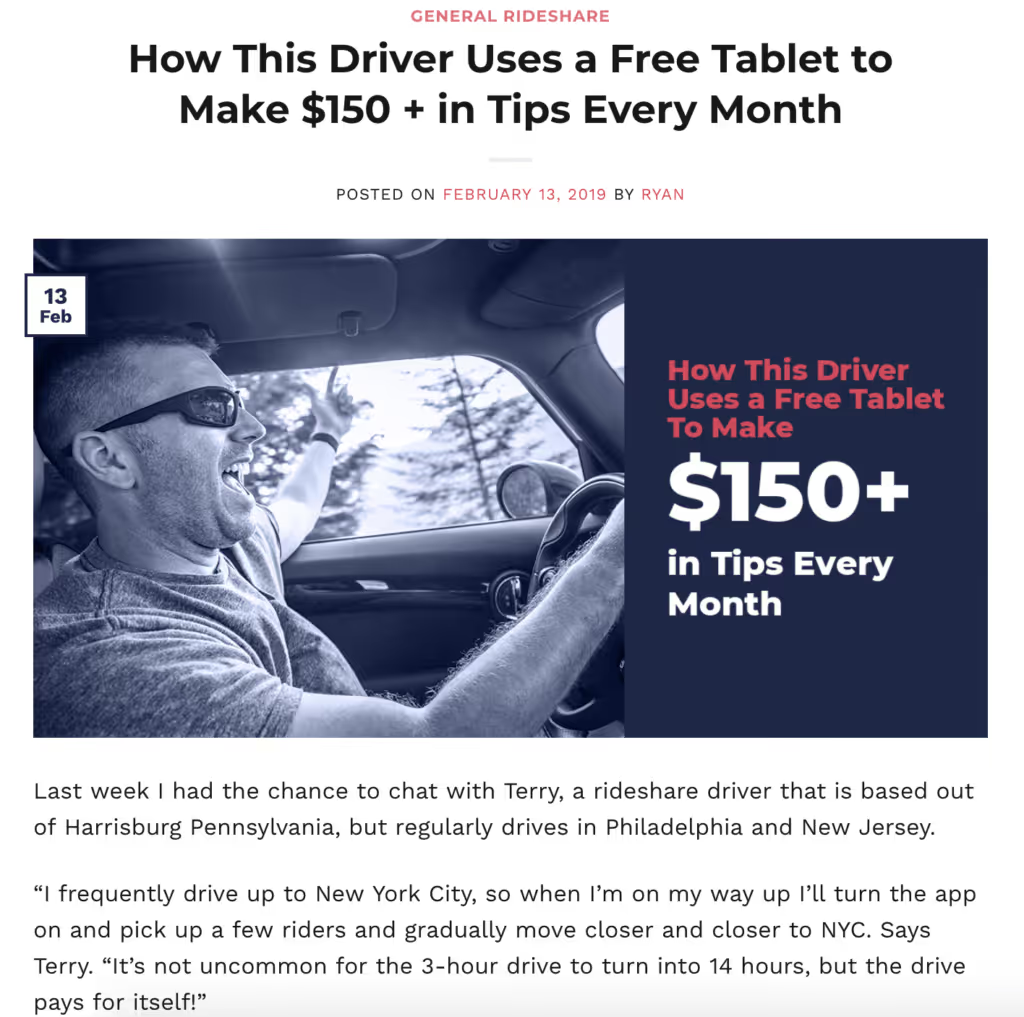
“The blog post was AMAZING for our launch. We saw a huge spike in signups the day that campaign launched.” says Nicki.
Results
22% CTR increase in first 30 days
44% CTR on blog post
Play Octopus immediately felt the benefits of working with a team experienced in engaging rideshare drivers. “Working with Gridwise wasn’t like working another ad platform. Their account management team really went above and beyond to help us drive success.” said Nicki. “We can’t wait to use Gridwise for our next market launch!”.
Their campaign included:
- Blog post
- Traffic sprint
- In app ad
“What really stood out with Gridwise was the level of service and expertise they provided.” says Nicki. “They didn’t just turn an ad on and leave us to our own devices, they helped us continuously drive better and better results.
How one Pittsburgh Rideshare Driver is Leveraging Airports to Double His Hourly Earnings
$9.00 per hour.
That's roughly what Jeff Upton made the first time he tried waiting at Pittsburgh International Airport to score a big rideshare fare. He assumed that passengers leaving the airport were more likely to require longer rides home, which meant big payouts for him.
His thought process wasn't entirely wrong. He did land a long ride, however, he had to wait hours to finally be hailed. Those are hours that he could have been in the city picking up passengers and making more money.
Jeff's problem wasn't that the "airport strategy" couldn't work for him, he just wasn't approaching it the right way.
Like many new drivers we talk to, Jeff assumed there was a constant stream of frequent flyers arriving at the airport throughout the day, but that's not quite how it works.
As Jeff puts it "I realized that if I was going to do this rideshare thing that I had to be smart. I had to be strategic in when and where I drove."
Since that barely above minimum wage day, Jeff has refined his rideshare strategy over three years and more than 5000 rides. He's got his airport strategy down so well that he is consistently making $20+ per hour in the Pittsburgh market.
We're going to share with you how Jeff Upton learned to master the airport strategy by driving smarter.
1. Plan your day around flight schedules
“By failing to prepare, you are preparing to fail.” - Ben Franklin
Gone are the days when a rideshare driver could step out there door and near instantly receive calls for rides. While rider demand is increasing, so is driver supply. That's why the most important skill a rideshare driver must have is the ability to plan out his or her day.
This is a lesson that Jeff learned the hard way when he first started driving with Lyft, and then Uber. He quickly started to ask himself things like:
- When and where should I be driving?
- What does "planning your day really mean?
- How do I know when to show up at an airport?
- What should I be looking for?
Jeff needed to make the most of the time he could spend driving, and for good reason.
Jeff is a social entrepreneur and a father, so every second counts for this guy. When he's not shuffling his kids around (pretty cool that his kids have a free Uber driver), he's shuffling around the elderly, donating furniture, or helping people understand their Medicare plans as part of his non-profit Friend of a Friend.

Jeff (right) and his partner moving a donated chair into a apartment.
Like many rideshare drivers we talk to, Jeff drives because it gives him the flexibility to do the things he really loves, and giving is kind of Jeff's thing. However, he also needed to make a decent hourly wage.
That's why Jeff started to think deeply about his driving strategy and developed a planning process. He started to check out websites like https://www.flightarrivals.com/ and Flight Stats which do a solid job of listing when flights are coming in. This is where Jeff started to develop his strategy.
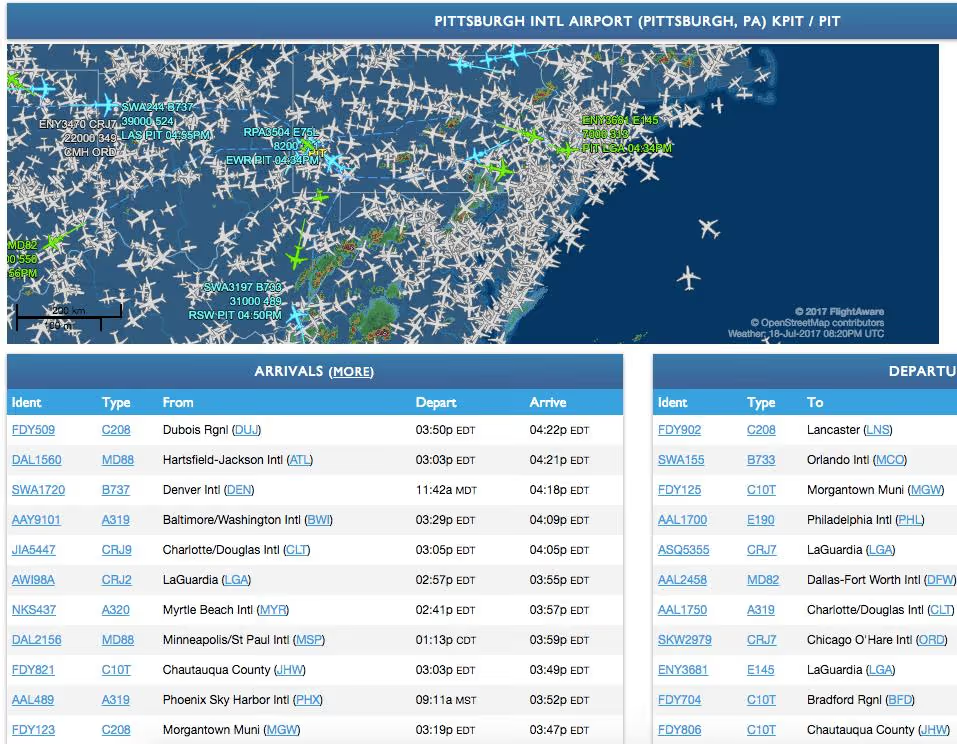
Functional, but not exactly user friendly
"I would spend a few hours per week looking up and printing off all of these flight schedules so I knew when flights were coming in. It was tedious but I started to see the strategy work" says Jeff.
The problem with his method was that he just knew how many flights were coming in. In other words, he didn't know how many passengers were actually arriving at any given time. There could be one flight coming in at 5 o'clock which is more lucrative than the eight flights coming in at 12 o'clock because there are 100's more passengers on the 5 o'clock flight. Jeff just had no way of knowing.
When Jeff realized that he could leverage Gridwise to easily understand when peak hours at the airport would be based on passenger count, his strategy really started to pay off.
"I found Gridwise about the same time that I was starting to really refine my strategy for airports, so it was really perfect timing. I really was able to figure things out."
Instead of hoping he was arriving at the airport at a good time, Jeff was able to predict exactly when rider demand at airports would be highest, which meant he wouldn't be sitting at the airport for three hours when no flights were coming in anymore.
Each day, Jeff can take five minutes to review the flight schedules and understand when peak times at the airport well occur. So no more waiting hopelessly at the airport when demand is low. He can plan ahead and only be there doing peak hours.
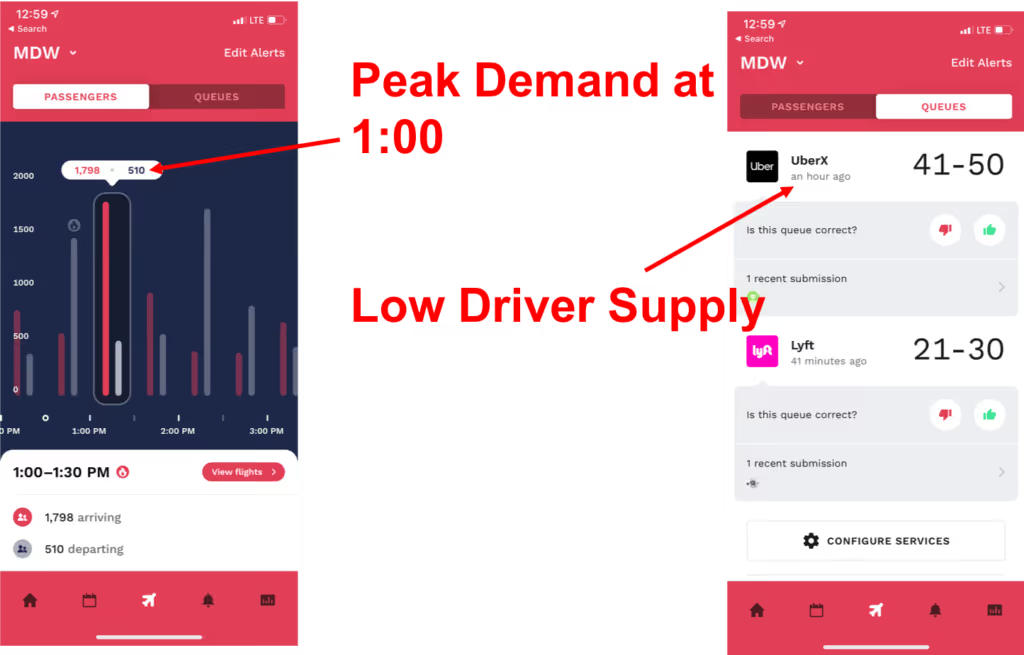
Jeff can also check the airport queue to see how long drivers are expecting to be waiting. If there is a long queue and few passengers arriving, he knows to stay away.
Some drivers worry about exactly when you should arrive at the airport. Is it 30 mins before a peak starts? Right when a peak starts?
[su_note note_color="#fefedf"]Free Bonus: Jeff uses Gridwise to know when peak arrival and departure times will be at his airport. You can do the same by downloading Gridwise for free here.[/su_note]
Understanding exactly when you should arrive at the airport can be an art form. The consensus among Gridwise users is that if you're getting to the airport within 15 minutes of when a peak time is scheduled to start, you shouldn't be waiting more than 30 - 40 min.
2. Catch a ride to the airport
After figuring out his airport arrivals strategy, Jeff decided to expand his strategy to include departures.
The beauty of understanding flight schedules isn't just that you know when the best time to pick up passengers from the airport will be. You also know when people will be on their way to the airport.
"The logical next step was to start hanging around downtown near hotels a few hours before scheduled departure peak times," says Jeff. "This is something that has become a big part of my daily planning."
You won't always catch a ride to the airport, there is some luck that plays into where your rides take you, however, you can dramatically increase your chances of scoring a passenger heading to the airport by hanging out in the right areas at the right time.
For drivers in the Pittsburgh market, downtown is the place to be.
However, every market is different. In DC, for instance, the downtown area is ripe with luxury hotels, but you can have just as much success in the Logans Circle, Dupont Circle, and Mt. Vernon Triangle areas.
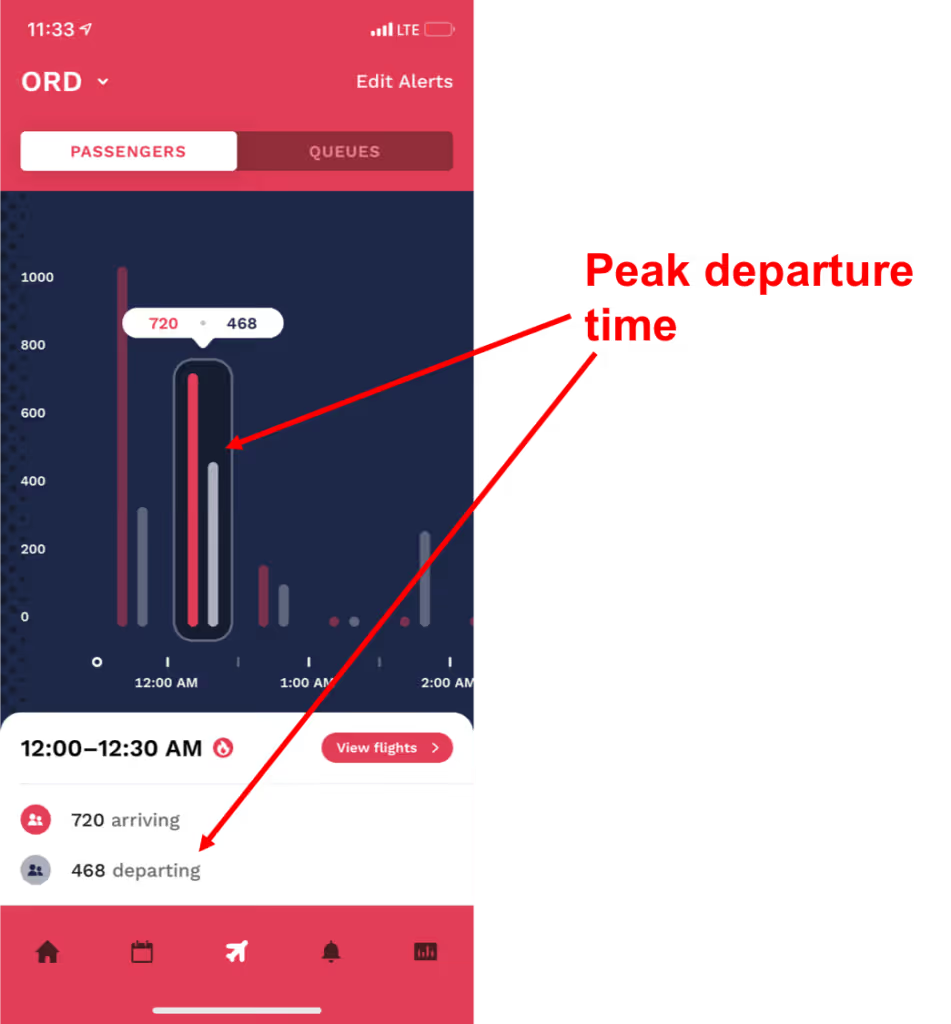
In our conversations with Jeff and other Gridwisers, we've found that drivers are having success by being in these areas around 2-3 hours before peak departures.
3. Use Airport Alerts to Remind You When Rider Demand is Increasing
No driver can constantly stare at Gridwise, at least not when you're with passengers.
So when passenger demand is changing constantly at the airport, recieve alerts on passenger demand and delays to help maximize your airport earnings.
Jeff uses Gridwise to set up alerts about the information that he cares about. This means everytime that passenger demand is at a certain point or there are flight delays, he’ll receive an alert.
4. Always Plan Ahead
Jeff can also use his Gridwise app to check the airport graph up to 24 hrs in advance. So he can plan his entire day right out on the app a full day ahead.
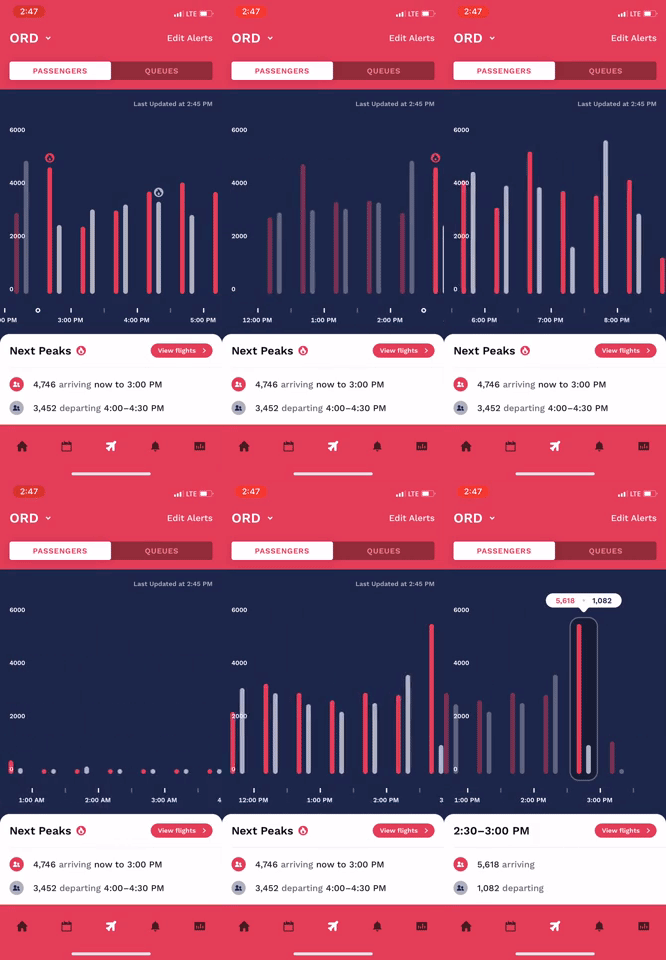
Savvy drivers are taking advantage of tools like Gridwise to plan for rideshare success!
4. Don't arrive at 1:00 AM
Toward the end of our conversation, Jeff began to tell us a story.
The one thing you must understand about Jeff is that he is a people person and a great storyteller. I'm sure that has something to do with why he loves driving so much.
So during our brief time with him, he told us many great stories about his longest fares, shortest fares, and most interesting passengers, but one story that stands out is a cautionary tale about waiting at the airport late at night.
By leveraging Gridwise, Jeff was able to quickly optimize his driving strategy and increase his earnings. He checks Gridwise daily to help him plan out when and where he is going to drive and frequently checks Gridwise when he is about to end his shift.
Now, Jeff lives near Pittsburgh International Airport, so at the end of his shift, he'll often check and see if there is a peak in airport demand. After driving a late night and noticing that there was a slight up tick in arrivals at the airport he decided to swing by.
He was a little late to the peak but still got in the queue which was moving quickly. After about 10-minutes he went from 20th to 3rd position. 5-minutes more went by and he was in 1st position.
5-minutes more went by and he was still waiting.
After 10 more minutes the lights turned off and our hero Jeff realized that there would be no more passengers ordering rides from PIA tonight.
Bummer.
Advice to new drivers
Jeff is doing really well as a rideshare driver these days. He's currently driving part-time but has plans to start driving full-time in the near future so that he can focus even more on Friend of a Friend and his family. He credits rideshare services like Uber and Lyft for affording him this opportunity but is careful to note that he had to develop his strategy through trial-and-error in order to build a method that works for him.
His strategy includes driving airports, events, and avoiding traffic (he swore us to secrecy on how he does this), but this is HIS strategy that works well for him.
To be successful, a rideshare driver must think about their unique circumstances and develop a strategy and planning process that works for them. This could mean driving around airports, leveraging events, focusing on the rush hour, tackling the late night riders on the weekend, or any number of other strategies. As Jeff puts it "The key to success in the rideshare world is to treat this like your own business because that's exactly what it is. Strategize and plan like the entrepreneur that you are.
"We couldn't agree more Jeff.
Jeff uses Gridwise to optimize his driving strategy and double his earnings.
4 Highly Effective Strategies This Uber Driver is Using to Maximize Airport Earnings
Do you remember what a great year 2014 was?……
Back in those days, we could we still watch a Seahawks game without someone saying “They still should have ran the ball”

I still can't believe they didn't run the ball though
And rideshare companies had yet to slash their rates (again), and decide to take a larger cut on every ride (again).
Well, it’s not 2014 anymore. We all have to accept that. But that doesn’t mean you can’t make great money as a rideshare driver. You just have to have a great strategy.
A D.C. area Gridwiser, Vegas, realized this when he started driving for Uber late last year in his town of Newport News, Virginia.
“The thing about driving for Uber, Lyft or Via is that you have to be smart. You need a strategy that really works for you, and that’s what I developed,” says Vegas.
For Vegas, this meant learning how to make airports work for him - and he’s not the only one. In Gridwise’s latest survey, nearly 40% of drivers said an airport was their most lucrative venue.

We caught up with Vegas and a few other rideshare drivers over the last few weeks to talk rideshare strategy, and airport strategy and today I want to share what we learned in this 4 step strategy for maximizing airport earnings for rideshare drivers. We’ll cover:
- Always understanding rider demand
- Avoiding long queues
- Never forgetting about departing passengers
- Using airport alerts to improve your awareness of rider demand
Let's dive in!
Always Know how Much Rider Demand is at Your Airport
Vegas currently lives in Newport News Virginia but travels to D.C. almost every week to drive since rider demand is higher in the D.C. Metro Area. One of his first stops is always one of the D.C. area airports.
“Once I get near the Fairfax area, I start to think about what airport is going to be surging or have the most rider demand. That’s where I head first,” says Vegas.
He figures this out by turning on his Gridwise app and checking passenger demand. With Gridwise he can even see detailed flight information to see if there have been any canceled flights.
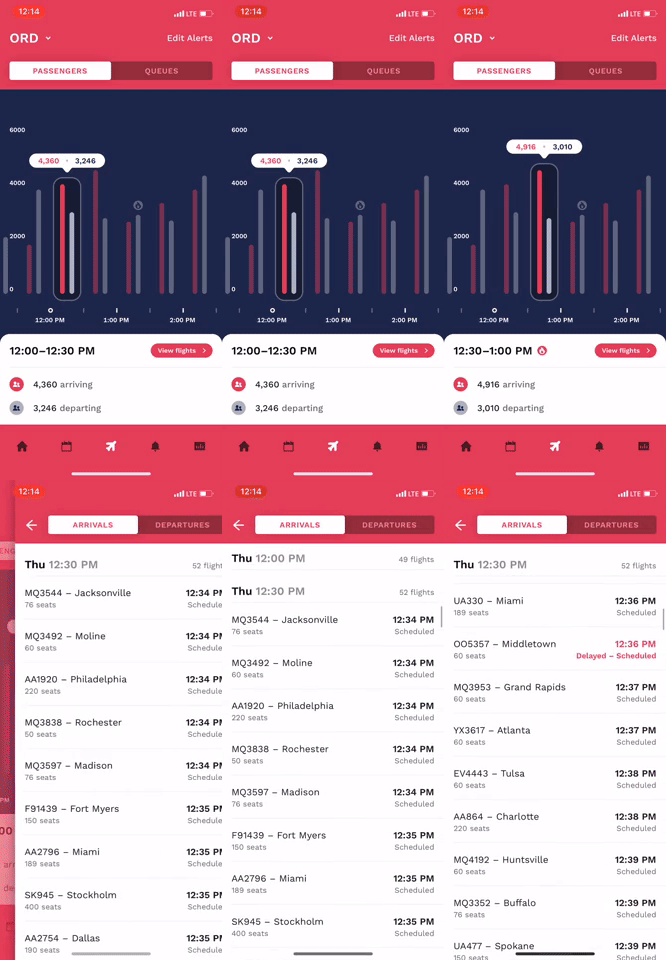
He simply checks the three D.C. area airports and finds out what airports are going to have the most passengers, and that’s where he heads to.
From there, he usually ends up somewhere in the city of D.C. and can make the decision to hang out in the city and wait for a ride, or head over to one of the other airports.
“After I complete an airport trip I check Gridwise again and see when the airport is going to be peaking. If Dulles or Reagan is going to be peaking again soon, I’ll usually head back over.” says Vegas.
Many other rideshare drivers actually use Gridwise to plan when they’re going to be at the airport a day in advance.
“Every night I check the airport graph,” says Jay, an Atlanta area rideshare driver. “I can plan my entire day out right on the app, a full day ahead.”
By keeping a constant eye on airport demand, drivers are able to always know where they should go to find long and lucrative fares.
Avoid Long Queues
While we were talking to drivers about their airport strategy a driver said something that struck me.
“I’m finding more and more that it’s not just about finding where the most rider demand is, but it’s also about finding where there is the least driver supply.”
We could not agree more with this, especially when you’re tackling airports.
That’s why drivers that frequent airports will check the Gridwise airport queue to make sure they are coming in at a time where passenger demand is high, but driver supply is moderate or low.
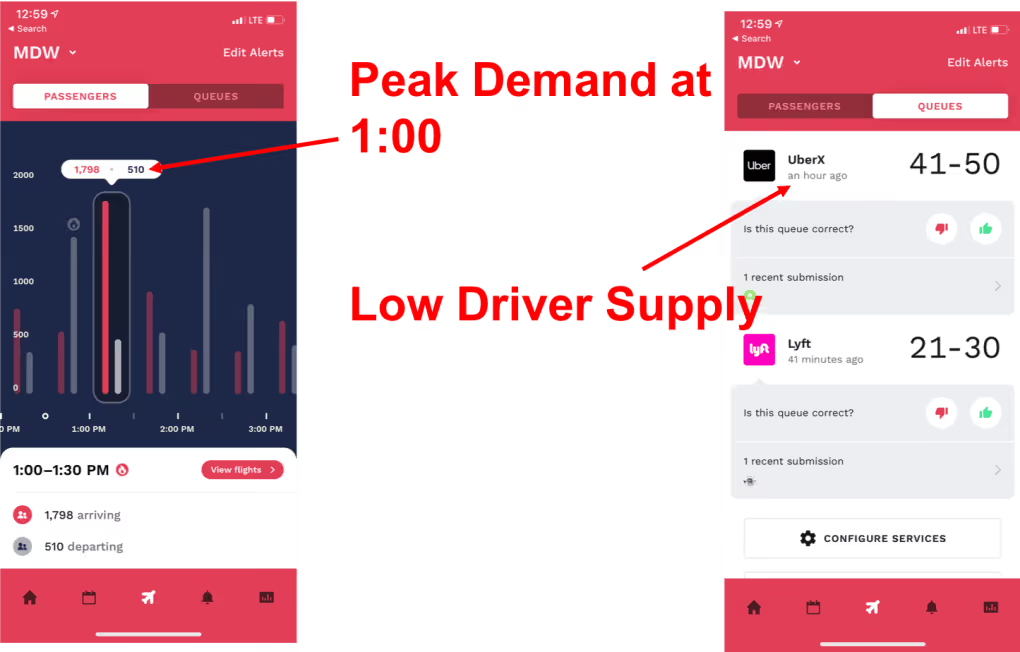
D.C. drivers like Vegas are also able to add their position in the queue to let other drivers know if they will have a long wait. Working together as a driver community like this helps us all make better driving decisions and be more profitable.
Don’t forget about departing passengers!
Rideshare drivers must remember that the airports have both arriving AND departing travelers and the departing passengers need to get to the airport too. That’s why drivers like Roger in Chicago are hanging close to the common business hotel areas a few hours before a departure peak.
“Two hours before a peak departure you can find me hanging out near the Westin in River North.” says Roger. “More times than not I’ll find a passenger in a HURRY to get to O’hare. Then I can usually pick up a passenger at the airport and head right back downtown.”
Use Airport Alerts to Remind You When Rider Demand is Increasing
Roger can’t always be staring at Gridwise though, not when he’s with passengers.
“Passenger demand at the airport is always changing during the day. Receiving alerts on passenger demand and delays has been critical for helping me maximize my trips to and from the airport.”
Roger uses Gridwise to set up alerts about the information that he cares about. This means everytime that passenger demand is at a certain point or there are flight delays, he’ll receive an alert.
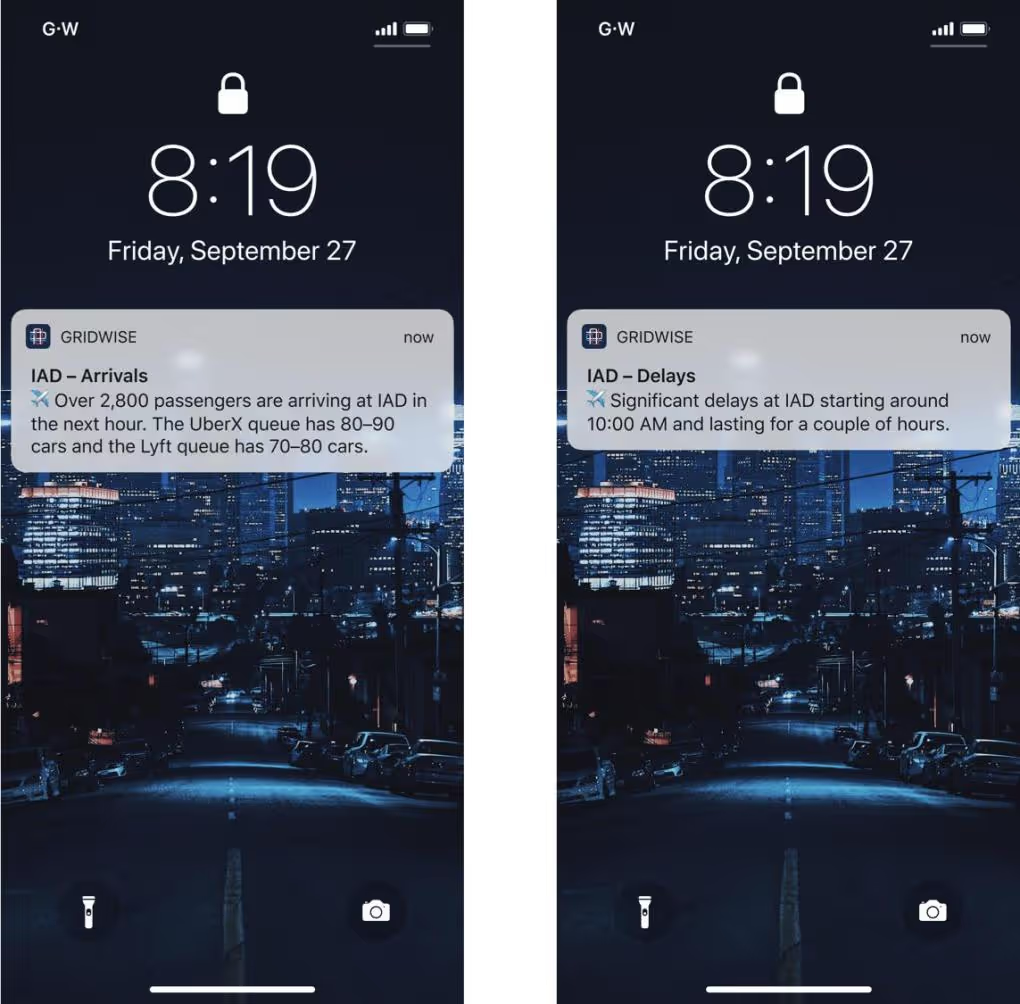
When You Get a PAX, Build Rapport Early
We’ve talked on our blog previously about the power of positive interactions and how you should create as many powerful interactions with your prospect as you can.
Vegas does this by greeting his passengers with a smile and making sure they know exactly when he turns the trip on.
“Many people think showing passengers when I turn the trip on doesn’t matter. For me, this just helps build trust right off the bat. It makes passengers feel comfortable that I’m not a bad guy trying steal from them.” says Vegas.
This type of trust building technique immediately helps Vegas build rapport with his customers and brings their guard down, so sparking a conversation with them becomes much easier.
Now, Vegas has the advantage of being an incredibly charismatic guy… the entire time we were talking he was cracking jokes, smiling, and just having a great time.
But without building rapport with passengers by showing you’re genuinely trying to help them have a better day, it can be tough for that charisma to come out.
That’s why another common tactic drivers use at the beginning of their ride is to ask passengers if they are in a hurry, to show that they are genuinely trying to do their best for them as a customer. If a passenger is in a rush, there is likely not a lot you can do, but showing this concern goes a long way.
After these two positive interactions that build rapport with passengers, Vegas is more easily able to spark a conversation that leads to a fun ride, a great rating, and a nice tip.
BONUS: Be Memorable
We mentioned that Vegas was a charismatic guy before. But there are a lot of rideshare drivers with the gift of gab. There definitely are not a lot of drivers that give their passengers as memorable of an experience as Vegas.
How?
By making sure that he has a way to remember them.
“It’s cool that I get to meet 100’s of people, but I want to remember my interactions. Uber lets riders post messages to drivers after the ride and let them know they appreciate them, but we don’t know who they came from. I like to have people sign my guestbook so I can document all of my interactions.” says Vegas.
We love this. This doesn’t mean every driver should have a guest book in the back of their car or some gimmick. It does, however, help to do your best to make your passengers day. Them remembering you will go a long way when it comes to ratings and tips.
What’s your airport strategy?
Now we want to hear from you rideshare drivers! Are you driving airports? What’s your strategy? Let us know in the comments below!

The State of Rideshare in 2019: How Much are Drivers Really Making
There’s no question that 2018 was a year to remember for rideshare drivers.
But when we think about 2018, should we remember it as a year where drivers earned more than ever, or the year when drivers said goodbye to surge as we know it?
Should we think about the effort that Dara Khosrowshahi made to reach out to drivers, or should we think about the fact that Uber Pool is still largely unpopular (and unprofitable) when we think about 2018?
Well, in a year when the term “fake news” has been thrown around more than a few times, we thought the best way to figure out how we should remember 2018, and think about 2019, is to start with the facts.
So in this report, we’re going to give you a complete rundown of the facts.
We’re going to look at how much drivers have been earning across the United States, what services they’ve been using, how they have found success, what their most profitable hotspots were, and much much more.
Let’s dive in by looking at 4 key takeaways from this report.
4 Key Takeaways From This Report
Takeaway #1: Drivers made on average $18.65 per hour in 2018
Takeaway #2: Drivers made on average $1.33 per mile in 2018
Takeaway #3: Drivers that are using 2 or more services are making $1.05 more per hour
Takeaway #4: Nearly 40% of drivers said their most lucrative driving venues were airports
How we built this report
Rideshare drivers log 10,000’s of miles per day and track $10,000’s per week using Gridwise. So for our earnings reports, we look at the anonymized driving statistics for drivers in a number of markets. For the purposes of this report, we have analyzed the earnings and mileage of over 30,000 drivers in various markets across the United States.
Because of our data collecting methodology, our earnings reports are far more accurate than any driver earnings surveysavailable as drivers log their trips & earnings on Gridwise as they drive multiple times per week. So not only are the reported earnings accurate, but drivers don’t cherry pick their best or worse days to show us. This gives us the most realistic view of how much drivers are really making over time.
This report also includes qualitative driver information that we have received from a survey of over 180 rideshare drivers across the United States.
The Results
Driver Earnings - Per Hour
Across the United States, drivers generally made an average of $18.65 per hour in 2019 before expenses. However, earnings are heavily affected by the city where you drive.
Earnings Per Hour Across The US
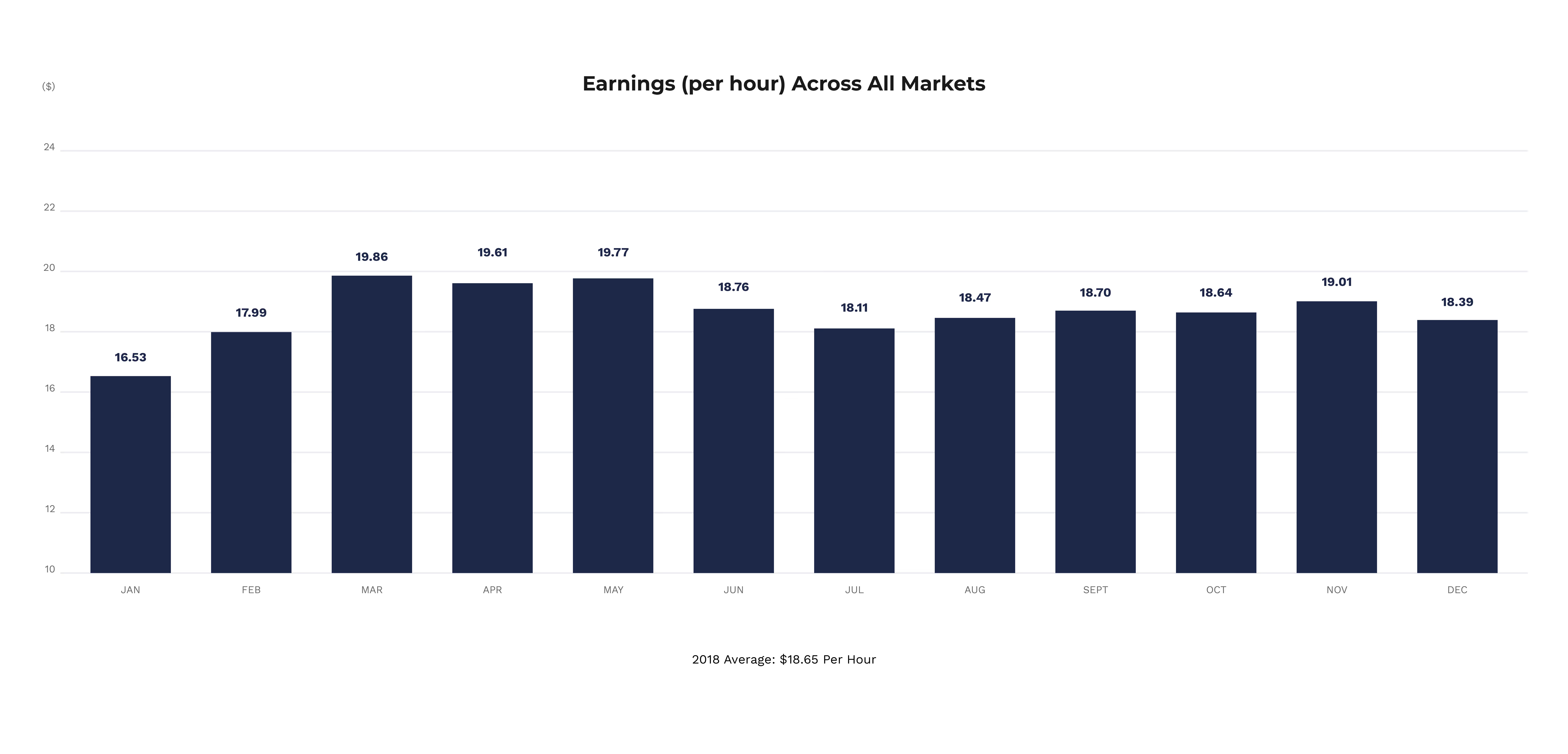
Earnings Per Hour: Pittsburgh
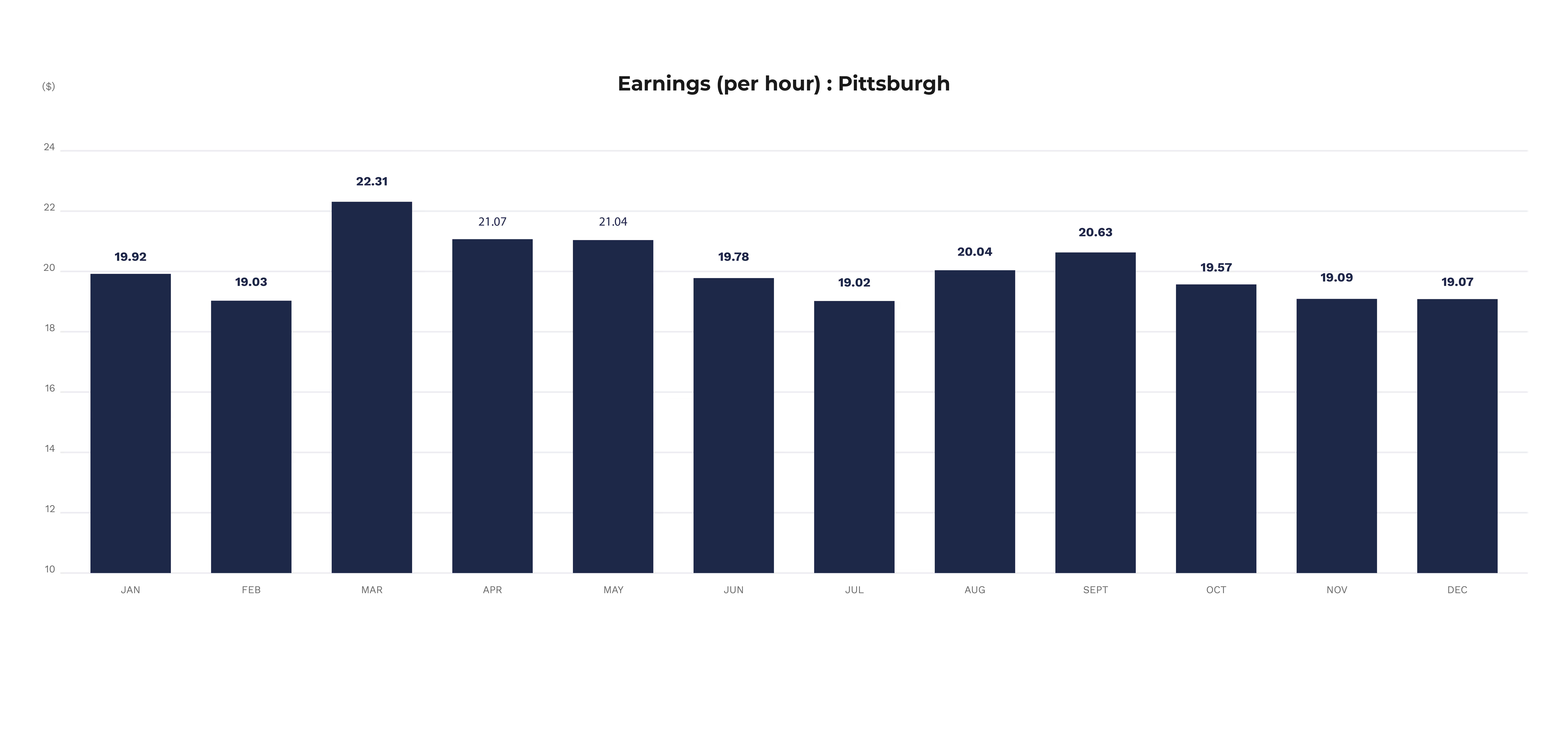
Earnings Per Hour: Chicago
Earnings Per Hour: D.C.
Earnings Per Hour: Baltimore
Driver Earnings - Per Mile
This year, we're also measuring earnings per mile, and in 2019 rideshare drivers across the United States made an average of $1.33 per mile before expenses. Again, earnings are heavily affected by the city where you drive.
Earnings Per Mile: Pittsburgh

Earnings Per Mile Chicago
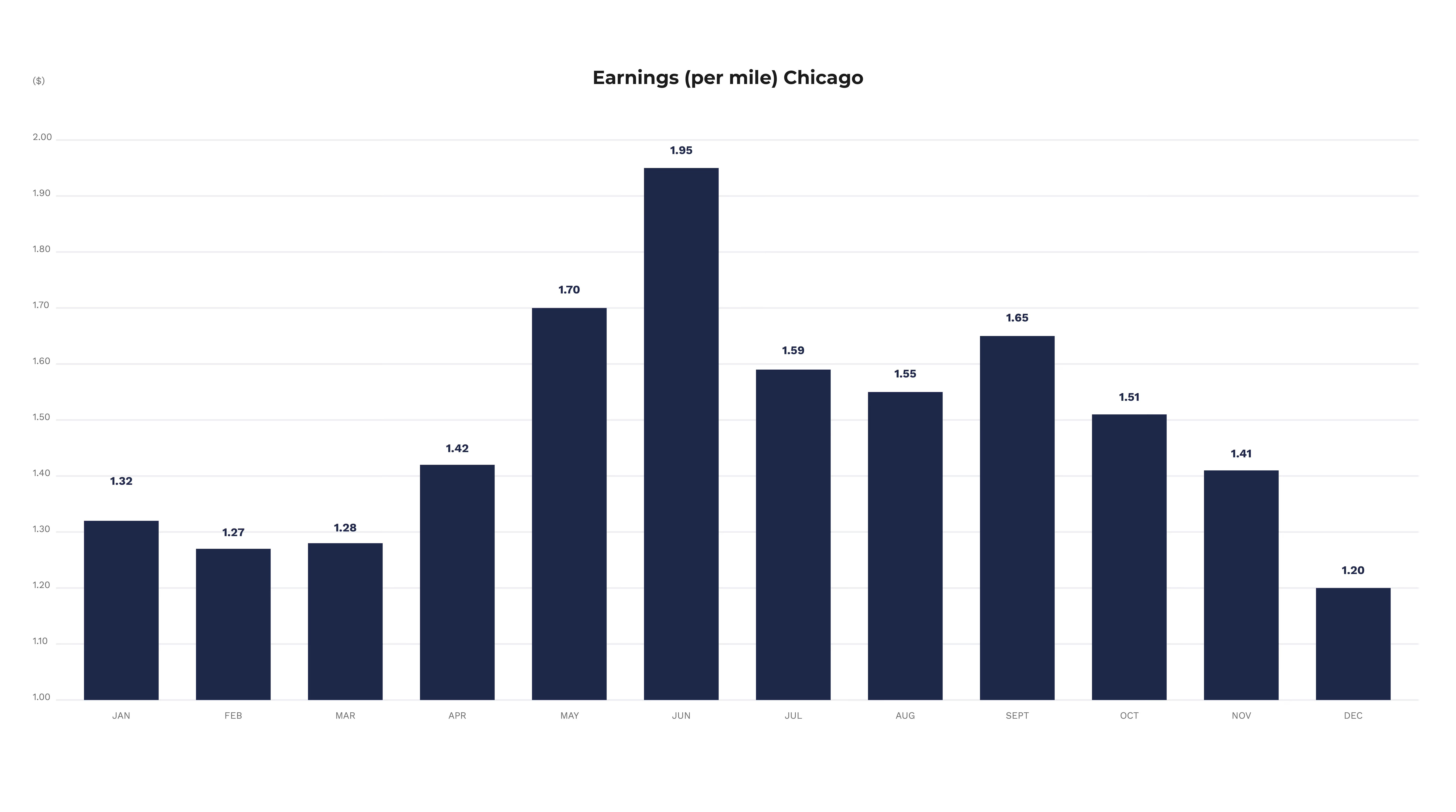
Earnings Per Mile: DC
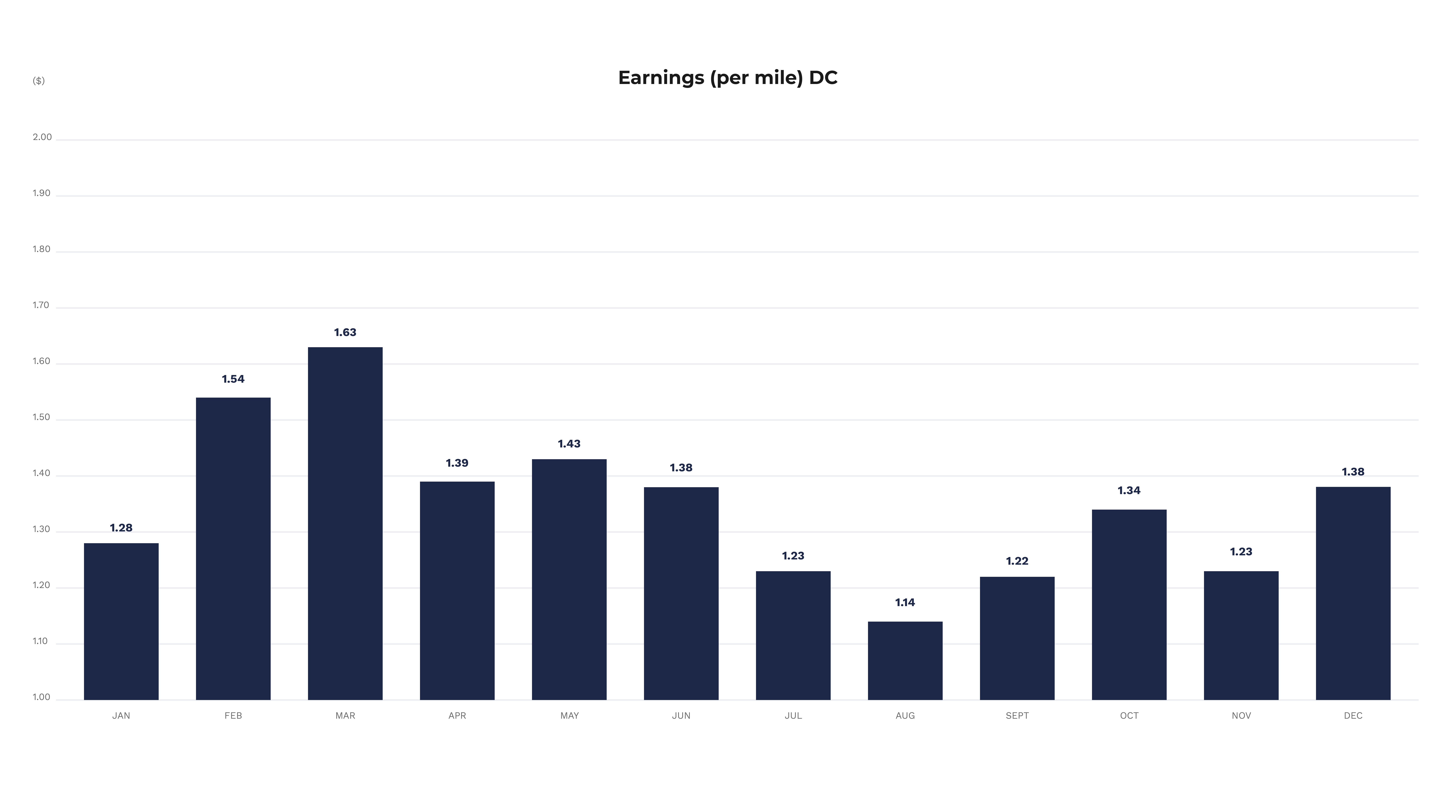
Earnings Per Mile Baltimore
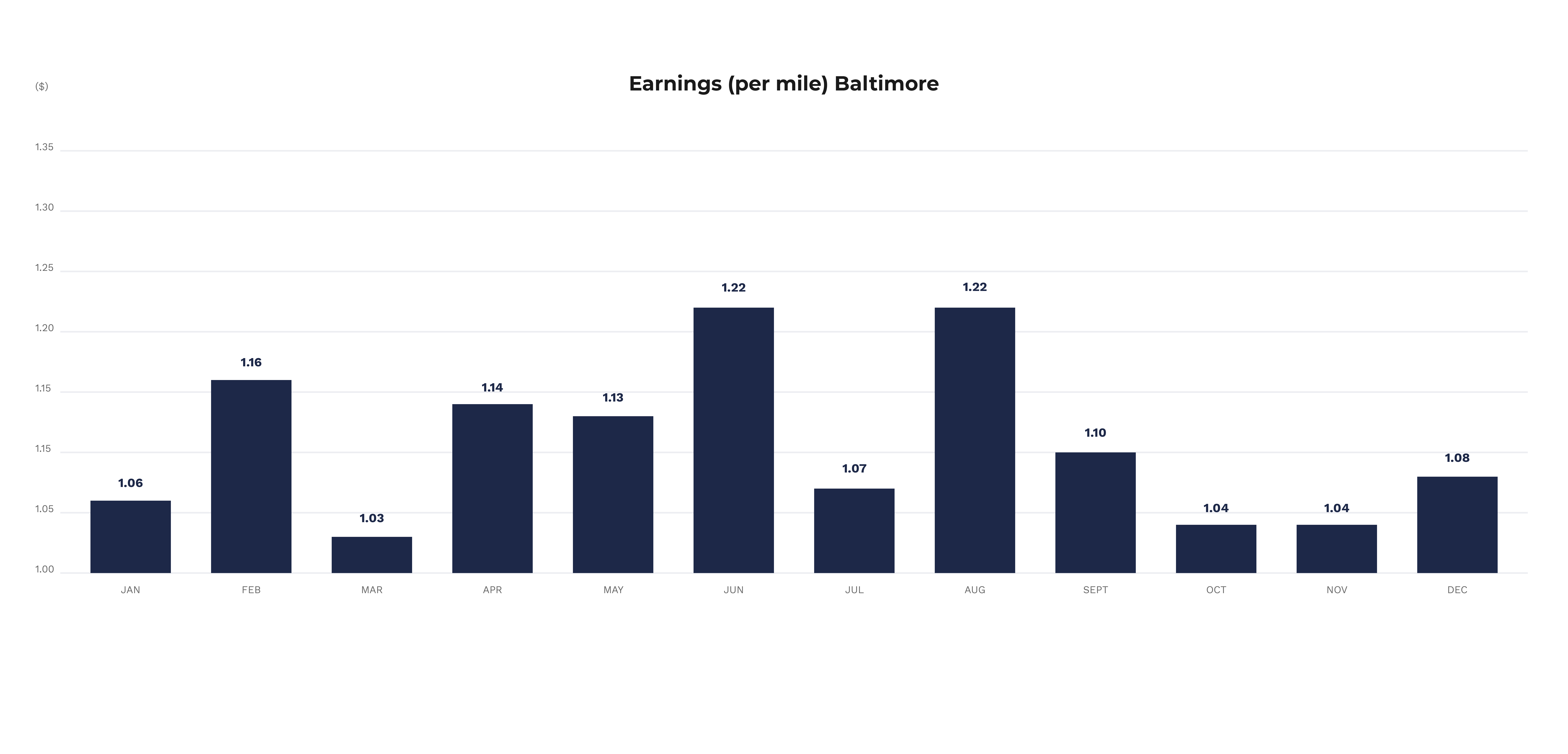
Bad weather matters…
Inclement weather does play a role in overall earnings per hour, but it appears that in the winter months this difference is much more pronounced. As you can see below, earnings per hour in inclement weather are about the same as earnings per hour in non-inclement weather except for January and February.
Inclement Weather vs Non-Inclement Weather Earnings Across the Nation

It pays to drive with multiple TNC’s
Our data shows that one of the most important factors in profitability for rideshare drivers is the number of TNC’s that a driver drives for. Across the US, we observed drivers making more while driving for at least two rideshare companies.
Earnings Per Hour When Driving for a single TNC vs Multiple TNC’s Across The US
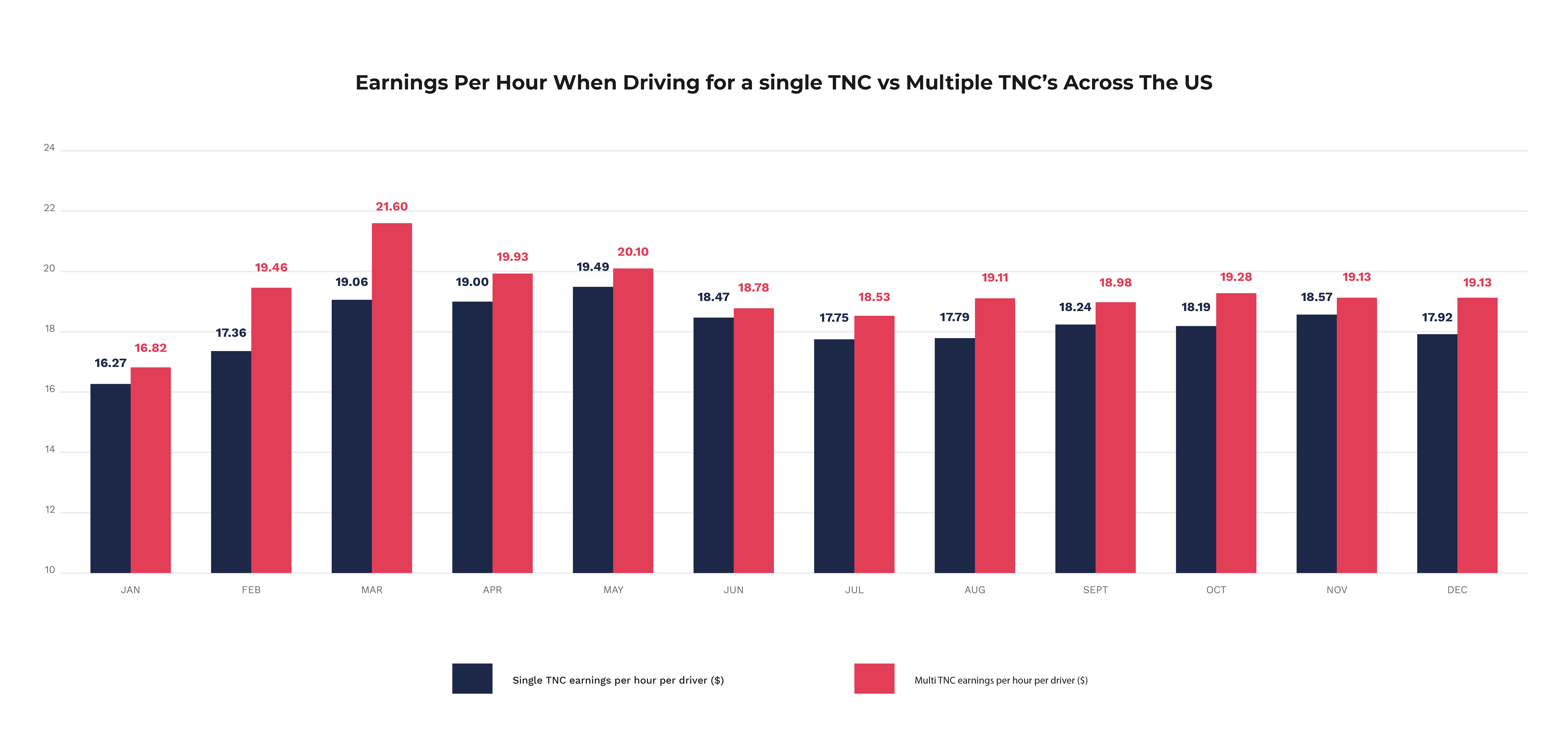
Only about half of rideshare drivers have dedicated rideshare insurance
Insurance remains a big question for rideshare drivers going into 2019 as almost half of drivers don’t have dedicated rideshare insurance and thus, may not be fully covered.

Most rideshare drivers are giving goodies away
Services like Cargo are repopularizing the idea of having snacks and goodies available for riders as a way to increase tips and boost ratings. It appears that many drivers are using goodies as giveaways in some form.
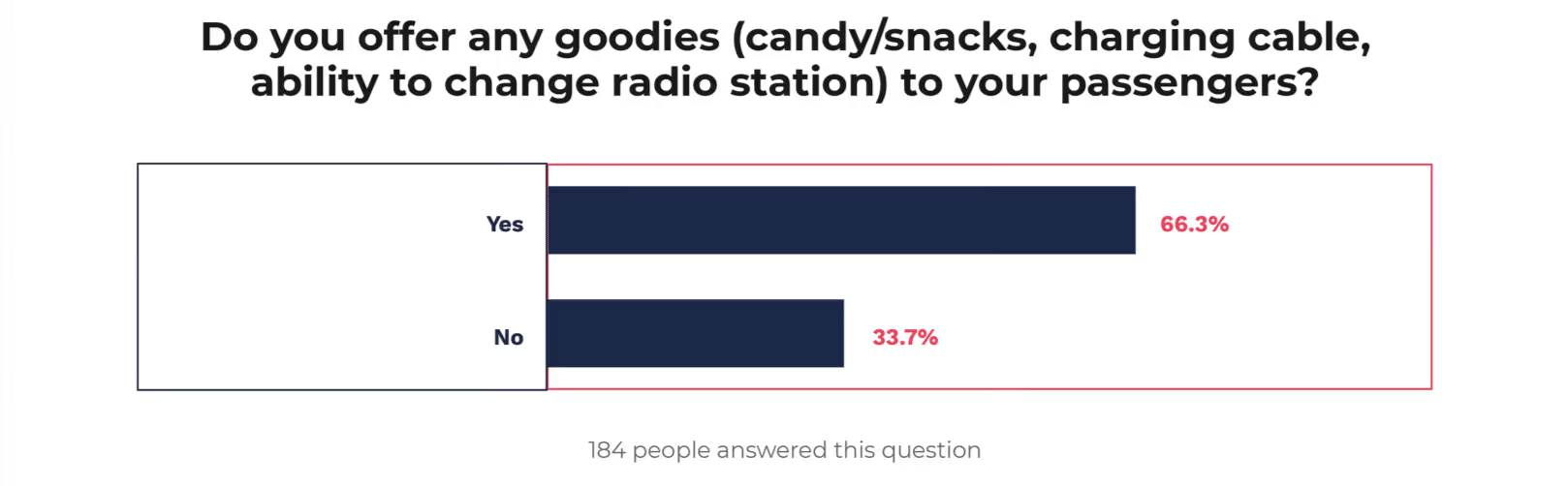
The most lucrative place to drive in 2018 was airports
It appears that airports were their most lucrative venue in 2018 for rideshare drivers with Night Events being second, and surprisingly, suburbs coming in 3rd.
This could be a sign that rideshare companies are beginning to have more and more widespread adoption outside of big cities which is allowing drivers to expand their footprint outside of popular downtown and bar areas.
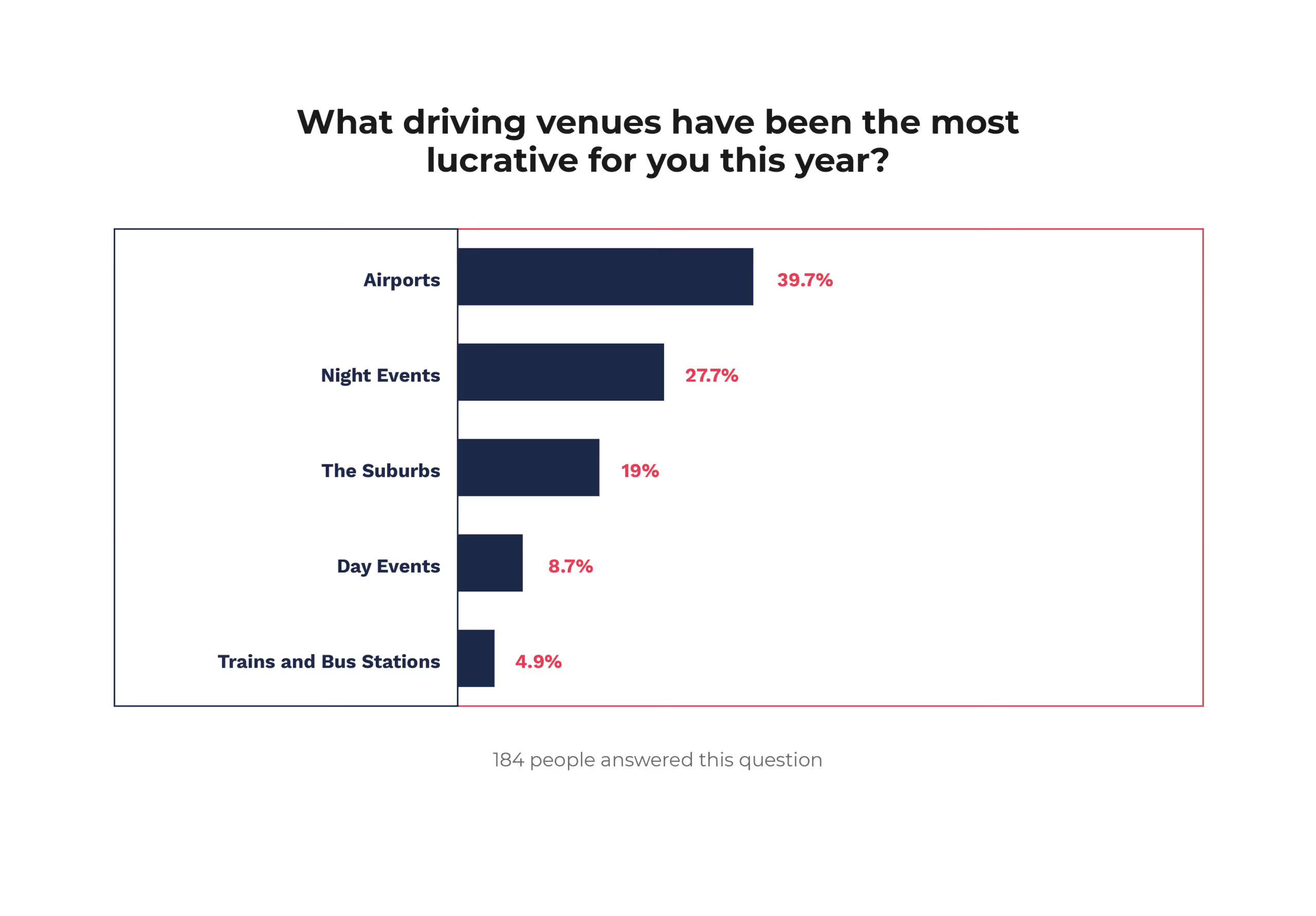
Overall, about half of drivers were satisfied with their experience as a driver in 2018
For the most part, drivers were satisfied with their experiences as drivers in 2018.
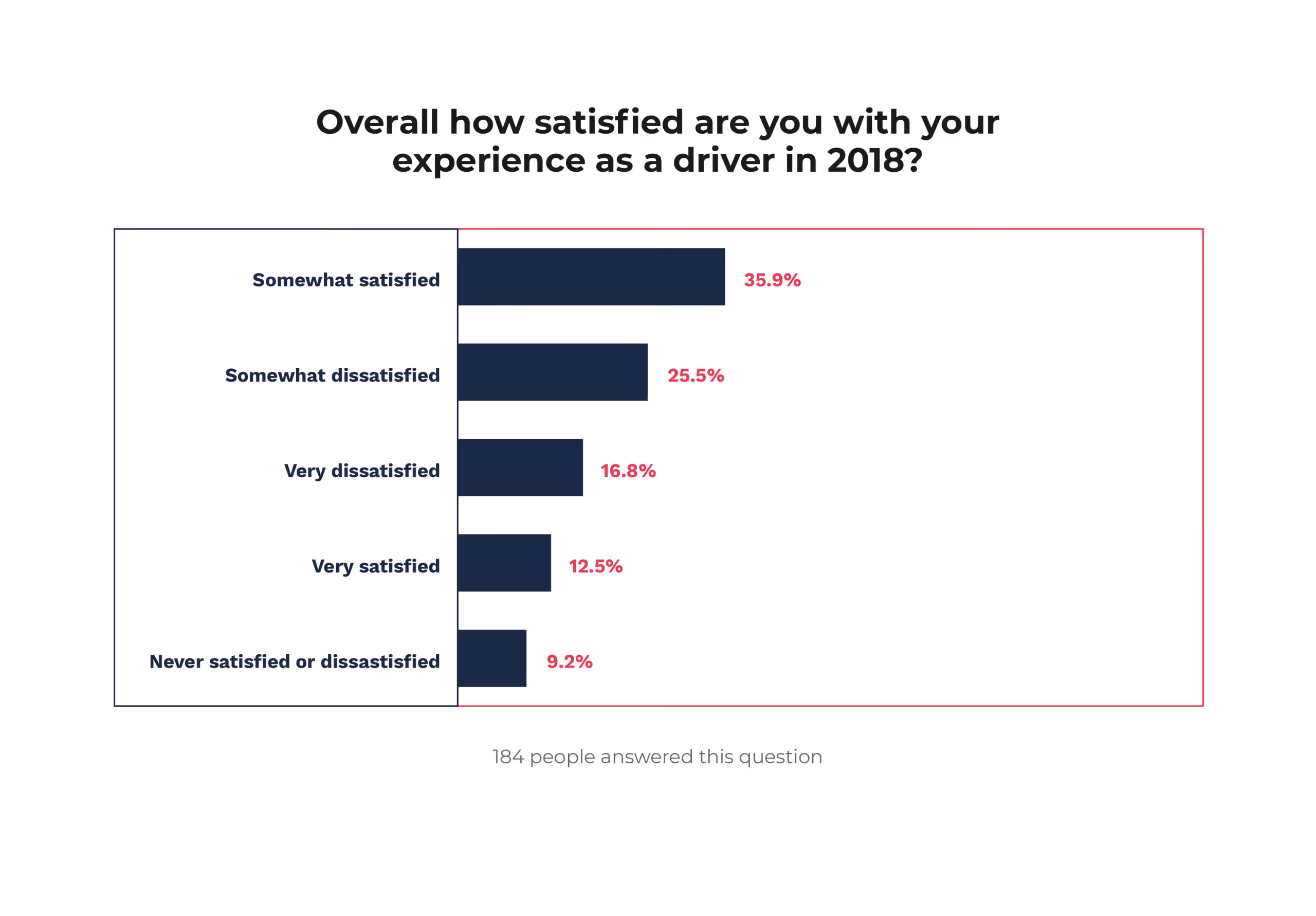
But more than half of drivers are very dissatisfied or somewhat dissatisfied with their Uber Pool Experience.
However, drivers continue to be extremely dissatisfied with their experience with both Uber Pool and Lyft Line. This is a glaring issue that the rideshare companies will need to work on with drivers as they push these services more and more.

Predictions
Now that we’ve reviewed what happened in 2018, let’s look forward to 2019 and understand what changes rideshare drivers can expect.
Lyft will exceed 35% market share
While both Uber and Lyft are growing quickly, Lyft is reportedly growing twice as fast as Uber and cutting into Uber’s market share. In 2019, expect Lyft to continue to grow faster than Uber and reach 35% market share in the US.
Why does this matter to rideshare drivers?
More riders on Lyft means that more and more drivers are going to need at the very least have Lyft as a secondary platform, if not their main platform.
Uber delays their IPO to 2020
One surprising effect of the longest government shutdown in US history is that the IPOs of both Uber and Lyft may be delayed to 2020.
You see, because of the shutdown the SEC is unable to provide feedback and approval on filings that issuers need to move their registration statements forward. In other words, the government shutdown is slowing down IPOs enough to push Uber’s offering to 2020.
Why does this matter to rideshare drivers?
It’s not completely clear how a rideshare IPO will affect drivers, but many industry experts believe that by going public, there will be more pressure on services to increase profitability and thus, take more money for every ride. This, of course, will take money from the pockets of drivers.
Without an IPO there will be less investor pressure for rideshare companies to reach profitability which should be good for drivers.
Government regulations will slow the growth of self-driving cars
Self-driving cars had an up and down 2018, but they will continue to press forward in 2019. Expect ridesharing companies like Waymo to do their best to rapidly expand their fleet of self-driving ridehailing vehicles.
However, you can also expect government regulations to slow the growth of the self-driving car business in 2019 as safety concerns stemming from high profile accidents in 2018 will continue.
Why does this matter to rideshare drivers?
Many people believe the days of rideshare drivers are numbered because of self driving cars. However, 2019 will prove once again that rideshare drivers are going to be around for the long haul as we see how far self driving cars have to go to become mainstream.
We will see more and more regional rideshare service, providers
In 2018 we saw the launch of multiple regional rideshare service providers including Jayride for airport trips, Safr for women, SpotOn for pet lovers, and a Dallas based rideshare company called Alto.
In 2019, expect to see more of these regional and market specific rideshare services to pop up that are servicing a very unique market and clientel.
Why does this matter for drivers?
More driving services mean more apps that drivers will need to know about and juggle to ensure profitability. Keeping up with these new services will be a new challenge for rideshare drivers in 2019.
Drivers: Take Action
Now that we know how much the average driver is making and have an idea as to why, we can look at how drivers can stay ahead of the curve.
Drive for Multiple TNC’s
The number of TNC’s that you drive for clearly matters. If you’re just driving for Uber, Lyft, Via, or Juno, you are missing out on income. So do yourself a favor and sign up for another TNC and start driving! You’ll also likely be eligible for a nice bonus as well.
Monitor your performance
As we saw time and time again when reviewing these figures, keeping up with what’s happening in your city and your driving performance is paramount.
It is very difficult to be a profitable driver if you don’t have a keen understanding of where to drive in your city and when to drive in your city. New drivers can use Gridwise to help them immediately understand their city while also taking cues from blogs like this one, along with city-specific Facebook groups and forums like UberForum.
Items for our next report
We’re going to do continue to improve these reports as we grow. For our next release, we plan to include:
- Earnings per trip
- Earnings per shift
Let us know if there is anything else that you would like to see in future reports.
Now we’re curious, are you seeing earnings in line with these various reports? What do you think is the biggest factor in your earnings success? Let us know in the comments below!
Work smarter. Earn more.
Whether you drive, deliver, or pick up shifts — Gridwise helps you track earnings, mileage, and performance so you stay in control of your work. Download the app and take charge today.
