Gridwise blog
Tips, insights, and advice to help you earn more and work smarter, whether you do gig work, hourly, or shift work.
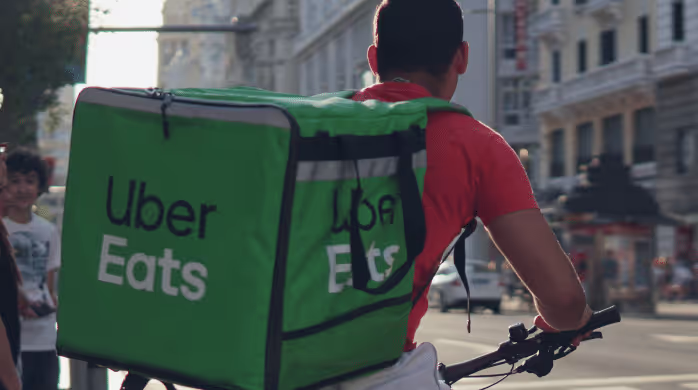
How to Make $1,000 a Week With Uber Eats in 2026 (Tips + Hourly Data)
In this blog, we'll explore the strategies and techniques that can show you how to earn $1000 per week as an Uber Eats delivery driver. We'll cover everything from optimizing your delivery zones and schedules to maximizing your tips and customer satisfaction. Whether you're a seasoned Uber Eats driver or just starting out, this guide will provide you with the insights and actionable steps to take your Uber Eats driver earnings to the next level.
Becoming an Uber Eats delivery partner can be a lucrative opportunity, especially if you're able to consistently earn $1000 a week. By understanding the platform, optimizing your delivery strategies, and focusing on customer satisfaction, you can maximize your earnings and turn Uber Eats into a reliable source of income.
We’ll cover the following topics to provide coaching and ideas to help you push your earnings up to that $1000 per week level:
What do Uber Eats drivers do?
Uber Eats drivers deliver prepared food most of the time, but they also might shop for and deliver goods from convenience outlets and grocery stores. The job is pretty simple. You get a request for an order, you drive to the restaurant or store to pick it up, and then you deliver it to the customer. If you already drive for Uber, you can choose to take orders for Uber Eats delivery any time.
If you’re not an Uber Eats driver yet, it’s pretty easy to become one. This Gridwise post tells you what you need to do if you want to sign up and start making money Uber Eats style. Many rideshare drivers welcome the chance to deliver food rather than people. This article from Nerdwallet covers the Uber Eats gig from that angle.
There are some sweet advantages to working with Uber Eats. In lots of cities you don’t even need to have a car. You can use a bike or a scooter, or even walk, to make your rounds. If you do use a car, Uber Eats’ requirements are a lot easier to meet than they are for Uber rideshare driving.
You also have a lot of flexibility. You can shop and deliver convenience items and groceries, but you don’t have to. And, like most driving gigs, you can choose your own hours, and map out the locations where you want to work.
Use Gridwise features When to Drive and Where to Drive to help you figure out what work hours and which specific areas will be the most profitable for you. Real data from real delivery people will show you earning patterns for drivers in your town.
How much can you earn doing Uber Eats?
The honest answer to this question is: basically, as much as you want! It all depends on how many hours you put in and how strategic you are about your gig. Earnings vary from one area to another, as this article from Entrepreneur points out. To give you a baseline, let’s look at the earnings of Uber Eats drivers who tracked their earnings with Gridwise.
Remember that these numbers show us only average earnings. To make $1,000 a week with Uber Eats, you’re going to have to be better than average, and we’ll show you how. For now, though, it’s good to have these figures so you get a ballpark number of where to start.
How much do Uber Eats drivers make?
Gridwise data tell us the following:
- Monthly earnings average around $444.00 per month.
- Gross earnings per trip are between $9.00 and $10.00.
- Tips make up about 50% of most Uber Eats drivers’ income, which amounts to about $225.00 per month.
Is Uber Eats good money? It can be. While there are other gigs that pay more per trip, if you drive for Uber Eats, you’ll always be pretty busy.
https://datawrapper.dwcdn.net/HPAz8/3
You can also see that, unlike many other gigs, tips play a huge role in Uber Eats earnings.

With these numbers as a baseline, what can we say about how to earn $1,000 a week with Uber Eats? As we said in the introduction, it’s going to be a hustle, but it’s really possible. To figure out how to make the most money with Uber Eats, let’s start by looking at how many trips these “average” drivers made each month.
We know that average gross earnings were $444.00 per month, and drivers got around $10.00 per trip. That means they took 44 or 45 trips per month, which breaks down to 11 trips per week. That’s not a lot of Uber Eats delivery, is it?
The fact that Uber Eats drivers averaged so few trips shows us that many drivers use more than one app at the same time. This is called multi-apping, and you can learn more about it in this Gridwise post. If you want to answer the question of how much you can make with Uber Eats, then you need to stick with the app and keep plugging away at those orders. You also need solid strategies, as well as some inside tips and tricks.
How to make the most money on Uber Eats: Delivery driving tactics
Getting to that $1,000 a week with Uber Eats isn’t so hard when you remember that the drivers we saw making about $111 a week were only taking around 11 trips in the same time period. That’s not much at all! If you work the Uber Eats app like a boss, you’ll soon have many more trips than that, easily reaching the number needed to get you to $1,000 a week. Now, let’s get to some tactics you’ll need to make that kind of bank.
- Stay with the Uber Eats app, and track your earnings. Gridwise can easily do that for you. Simply sync your Uber Eats app with Gridwise, and you’ll be able to see how much you’ve earned with Uber Eats, what times were most profitable, and your average hourly pay. Racking up trips with Uber Eats has other benefits, including perks and bonuses that are awarded to top drivers.
- Leverage surge pricing and promotions. Surge pricing is applied when there is a lot of demand. When surge pricing is in effect, many of the trips you make will pay more than usual. Promotions are offered to drivers who complete a given number of trips in a certain time period. High traffic volume days, nights, and times give you these chances to get extra earnings. Challenging yourself to complete the right number of trips for promotions will add to the number of trips you can count on for big bucks, too. Learn more about Uber Eats surge pay, boosts, and promotions in this Gridwise blog post.
- Say yes to doubling up on orders. With Uber Eats, you can get back-to-back orders or receive batched orders. Back-to-back orders happen when you receive a new request while you’re on the way to deliver an original order. The Uber Eats app routes these trips automatically, so you won’t be sent out of your way.
Batched orders are Uber Eats’ way of bundling together orders from either the same restaurant, or two nearby eating establishments. You get money, and trip count credit, for all the orders you complete, plus customer tips, without having to make a bunch of separate trips.
- Turn on the charm and get bigger tips. Being nice really is part of the Uber Eats driver’s job, and getting tips is one way people who drive for Uber Eats make money beyond their basic pay.. Bring along those extra napkins and condiments, use equipment that keeps food and drinks at the right temperatures and prevents spilling, and consider your customers’ needs. If you deliver groceries, be extra careful with delicate items such as bread and eggs.
And, most important, follow your customers’ directions, and stay in communication with them if you are going to be delayed, or if you have questions about their order. This Gridwise post will tell how to get bigger tips as a delivery driver.
- Use even more charm to keep your ratings high. As an Uber Eats driver, you will be rated by the restaurant or store where you pick up the orders as well as the customers who are waiting for the deliveries. This two-way rating system is designed to keep you on your toes, so Uber can keep people satisfied with your service. Don’t worry, you get to rate them, too.
There’s another reason why your rating as a driver is important. It not only keeps you in good standing with Uber; it helps you to qualify for the Uber Eats Pro incentive program. To learn more about Uber Eats Pro, and what it takes to earn perks such as preferred services, discounts, and deals, check out this Gridwise blog post.
Smart business moves that seal the deal
Now that you know how to gobble up the deliveries you need to make $1,000 a week with Uber Eats, it’s going to be a breeze to get there. Let’s make it even easier, with business moves that boost your earnings and shrink your expenses. If you use these, it will also be easy to say yes when people ask, “Can you make good money with Uber Eats?”
Minimize expenses. Avoid racking up big fast-food bills by bringing your own food and beverages. You might not think you’re hungry when you first start your Uber Eats run, but once the aroma of pepperoni pizza, premium cheeseburgers, and piping hot fries start wafting through your car, that might change. Bring a sandwich or other healthy food from home, and buy bottled water in bulk to save tons of cash compared to what it costs to buy single servings.
Maximize tax deductions. Another way to minimize your expenses is to maximize your tax deductions. Start by tracking mileage with Gridwise.
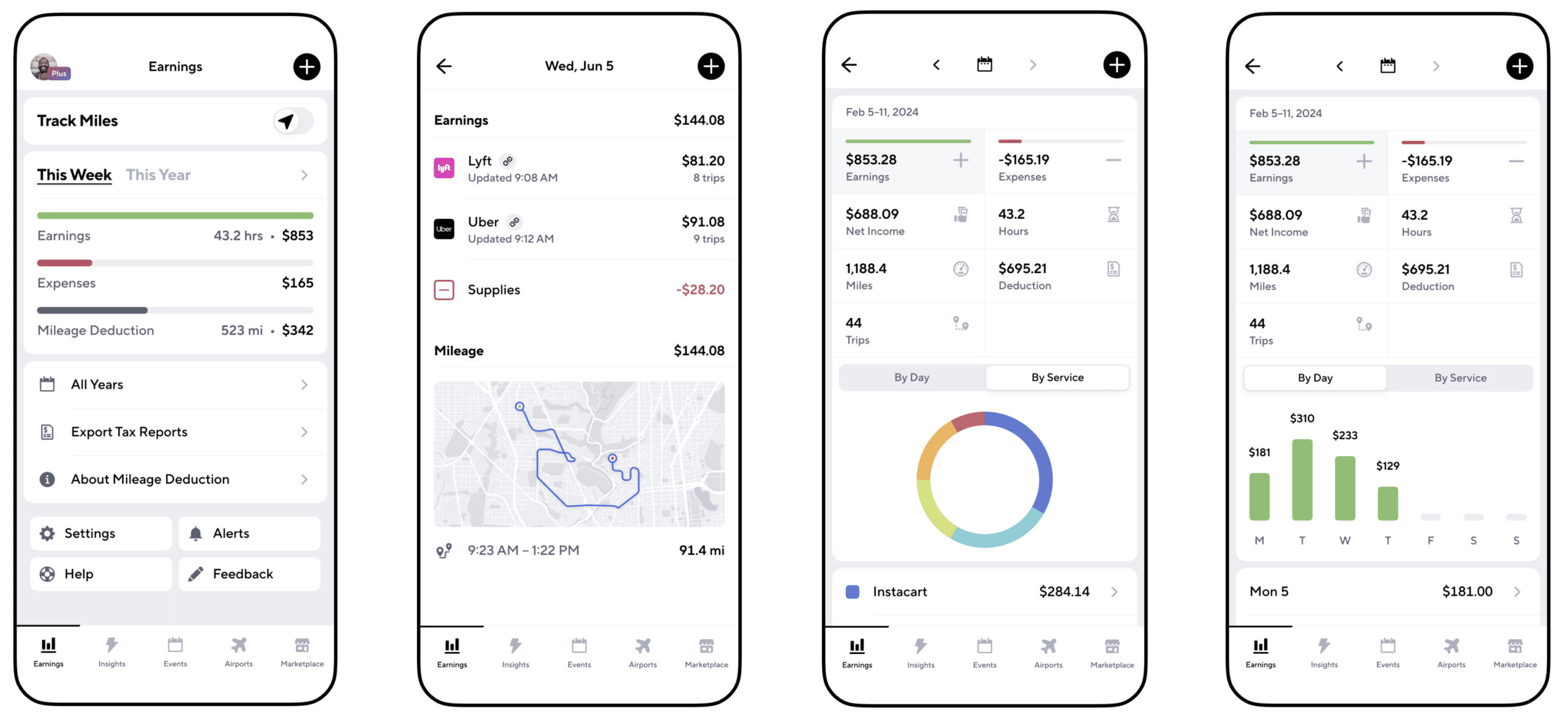
Gridwise App
Gridwise captures every deductible mile you drive, including the distance you cover between the trips your driving app records. Know what expenses you can deduct, and put them to work for you when tax time comes. Learn more about tax deduction strategies in the Gridwise Tax Guide for drivers.
Boost earnings with referrals
As an independent contractor, you’re probably looking for ways to make even more money than you can with Uber Eats. And most gig workers like you enjoy getting passive income. With Uber Eats, there’s a really easy way to do that, referrals!
All you need to do is find friends and encourage them to deliver for Uber Eats. If they make a certain number of deliveries within a specified time, you will get paid for doing nothing more than having them sign up under your referral code! Rates of pay vary by city, so check your Uber Eats app to find out what the current deal might be, and learn more about the referral program on the Uber Eats website.
Also remember: “friends” don’t have to be your best buds. Many delivery people carry cards with a QR code linking to their referral information, so just about anyone you encounter can join Uber Eats and boost your earnings. You could meet a source of passive income at the gas station, on social media, or at your high school reunion. The more you hustle, the more there is to gain, right?
Master the art of self-employment
As an Uber Eats driver, you’re an independent contractor. That means the company isn’t going to withhold your taxes, provide insurance, keep track of your earnings, or tell you about tax deductions. You’ll have to do all these things for yourself.
If you want to maximize your tax advantages, open an official business entity. You can incorporate (create a corporation) or you can work as a limited liability corporation (LLC). You can also work with a DBA (Doing Business As) arrangement, but the corporation or LLC will do a better job of protecting you from liability.
Establishing a corporation or LLC offers better tax advantages than being a sole proprietor. For instance, if you simply collect your earnings into your private account, you’ll be charged self-employment taxes in most states. And paying extra taxes is something we all want to avoid, within legal limits, as much as possible.
Every Uber Eats driver needs to learn about self-employment, and there are some great resources you can review. Check out the CareerOneStop website about self employment which will help explain the basics. You can also check with a professional tax accountant, or look other websites to learn more about actually creating a business.
Scope out your market
Look at the area around you to see where you’re likely to get the most deliveries. Where are all the restaurants? Where might people be more inclined to order deliveries? What hours do you want to drive? What activities might be going on around those times? Think about late-night and after-school times as well as breakfast, lunch, and dinner times.
Be realistic about the potential for your area and aware of new services opening up. For example, in New York, there is already a tab on the Uber Eats app that allows customers to order groceries. In our article about the best food delivery service to work for you’ll see that Uber Eats stacks up well against other delivery companies, mainly because of its potential for expanded opportunities for drivers to earn.
So, is Uber Eats good money? As we said, it isn’t an automatic guarantee that everyone will make $1,000 a week with Uber Eats. Trying out the suggestions we give you here, though, should put you on the right track! Go out there and start stacking up those orders and raking in some impressive earnings!
Get more inside information on Uber Eats in these posts from the Gridwise blog:
- The delivery driver guide: Using the Uber Eats app
- Everything you need to know about driving for Uber Eats
- Uber Eats Pro: What drivers need to know
- Looking for a different gig, part-time or full time job? Check out the Gridwise Job board.
Uber Eats FAQ
How does the Uber Eats platform work for drivers?
Uber Eats is a food delivery service that connects customers with local restaurants and independent delivery partners. As an Uber Eats driver, you'll receive notifications of nearby delivery requests, which you can accept and complete. The platform provides flexibility, allowing you to work on your own schedule and earn money based on the number of deliveries you complete.
What are the requirements to become an Uber Eats delivery partner?
To become an Uber Eats delivery partner, you'll need to meet certain requirements, such as having a valid driver's license, a registered vehicle, and passing a background check.
How can I choose the right delivery zone to maximize my earnings?
Selecting the right delivery zone can significantly impact your earnings, as some areas may have higher demand and better-paying orders. It's important to research and identify the zones in your area that tend to have the most consistent and lucrative delivery opportunities.
How can I take advantage of peak delivery hours and surge pricing?
Understanding peak delivery hours, such as mealtimes and weekends, and taking advantage of surge pricing can boost your earnings. Be aware of when demand is highest in your area and adjust your schedule accordingly to capitalize on these peak periods.
What are some tips for maximizing tips and customer satisfaction?
Providing excellent customer service and going the extra mile to ensure a positive experience can lead to more tips and repeat business. Prioritize communication, timeliness, and attention to detail to keep your customers happy and satisfied.
How can I set realistic weekly goals to reach my $1000 target?
To make $1000 a week with Uber Eats, it's essential to set realistic weekly goals and track your earnings and expenses. Start by determining your target earnings and breaking it down into achievable daily or weekly goals. This will help you stay on track and make adjustments as needed.
What are some strategies for efficient route planning and navigation?
Effective route planning and navigation can save you time and fuel, allowing you to complete more deliveries. Utilize mapping apps and take advantage of features like real-time traffic updates and turn-by-turn directions to find the quickest routes.
How can I balance my Uber Eats deliveries with other commitments?
Develop a schedule that allows you to capitalize on peak delivery hours while still maintaining a healthy work-life balance. Consider using tools like calendar apps to plan your availability and track your hours to ensure you're maximizing your earning potential without sacrificing your personal life.
What are the key considerations for maintaining my vehicle as an Uber Eats driver?
Keeping your car clean and well-maintained is crucial for maximizing your Uber Eats earnings. Regularly scheduled oil changes, tire rotations, and other preventive maintenance can help extend the life of your vehicle and minimize downtime. Additionally, budgeting for vehicle-related expenses, such as fuel, insurance, and repairs, will ensure you're accounting for these costs and maximizing your net earnings.
What are the tax obligations and legal considerations for Uber Eats drivers?
As an Uber Eats delivery driver, it's essential to understand the tax obligations and legal considerations that come with being an independent contractor. This includes properly reporting your earnings, deducting eligible business expenses, and making quarterly estimated tax payments. Additionally, you'll need to ensure you have the appropriate insurance coverage, such as personal auto insurance and possibly commercial auto insurance, to protect yourself and your vehicle while on the road making deliveries.

The Gridwise Job Board: Find Your Ideal Job or Gig Work
Gridwise is an essential assistant app created by gig workers for gig workers. Our mission is to support those engaged in gig work in every way possible. We understand how challenging it can be to deal with income instability, a lack of benefits, and job insecurity that often comes with gig work. The Gridwise app tracks and organizes earnings and expenses, and offers a wide array of discounts, deals, and services that make the lives of independent contractors easier and more rewarding.
We firmly believe it’s possible to make a viable living and create a gig experience that offers flexible hours, variety, and excitement. With issues such as consistent earnings and job security in mind, Gridwise is proud to offer a centralized platform that shows you how to find gig work and secure reliable opportunities. We’re proud to introduce the Gridwise Job Board.
The Gridwise Job Board: Key features
Because Gridwise is dedicated to serving the gig worker community, we’ve filled the Gridwise Job Board with useful features that won’t waste your precious time.
- Comprehensive listings. Find part-time, full-time, temporary, and per-task work. Drive or deliver with your vehicle, utilize an employer’s vehicle, or even find non-driving gig work.
- User-friendly interface. Find the jobs that are right for you with a tap of your screen.
- Verified opportunities. We vet the jobs before they are listed to ensure you’re getting high-quality job postings.
How to get more gig work, seasonal, part-time or full-time jobs with the Gridwise Job Board
Looking specifically for “gig work apps” or “gig jobs near me?” You’re in luck. Our filters and search functions send you directly to the listings you seek.
Here’s how it works.
- Access the Job Board via the Gridwise website.
- Search for jobs by type, location, and more.
- Select the job that interests you, and read all about it.
- Scroll through the description, and if it appeals to you, click “Apply for job.”
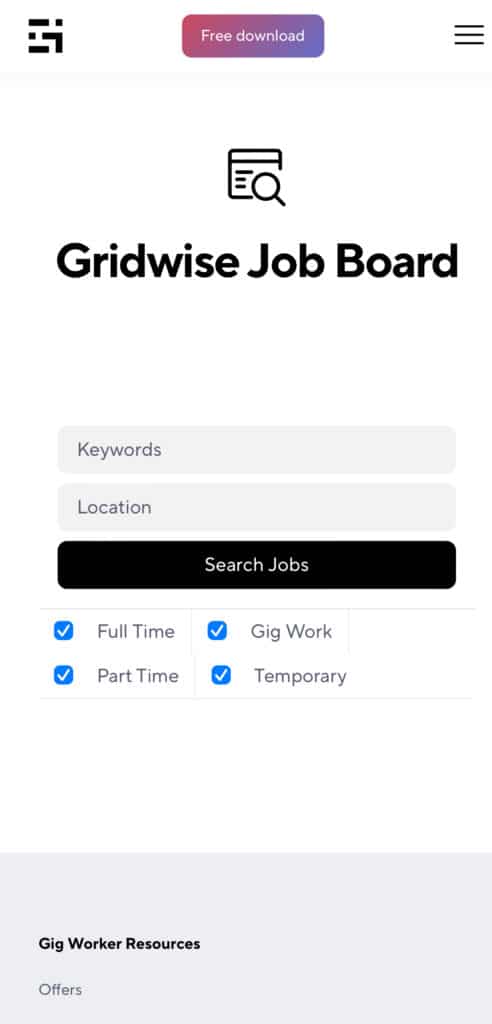
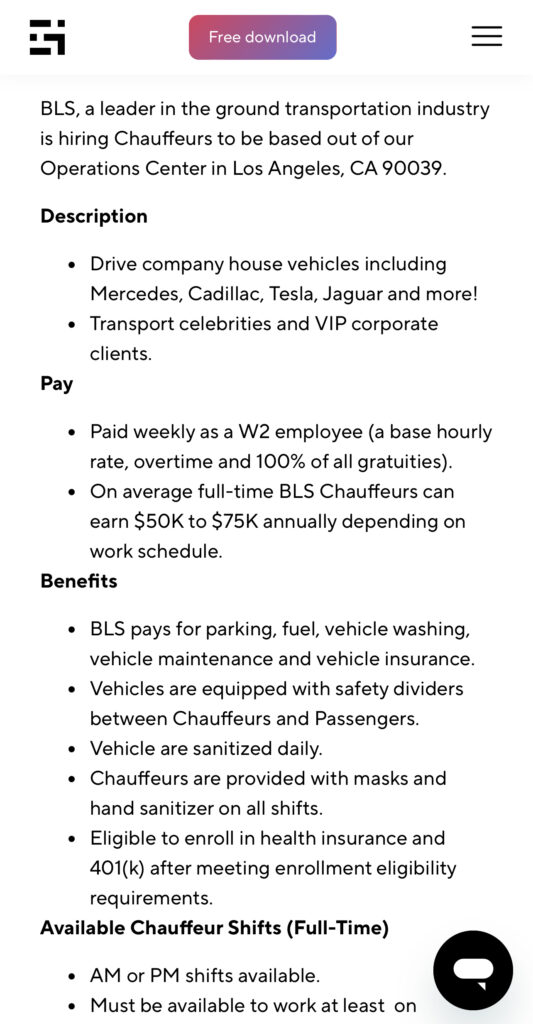
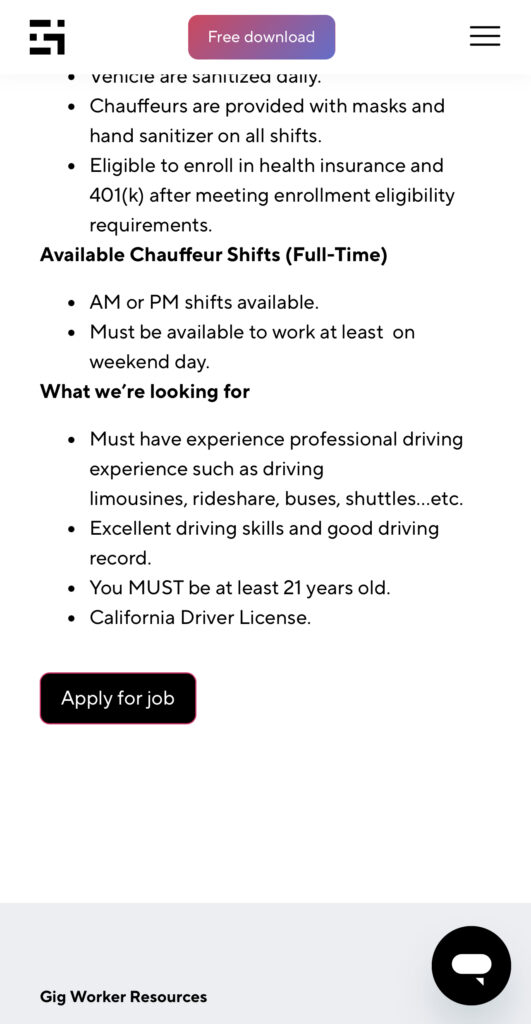
Many types of jobs are available. Adjust the search filter to see the full variety of opportunities that will let you cash in. Deliver food, set up catering, do rideshare driving, get paid for doing package delivery, and much more. You’ll find short-term gigs, long-term contracts, and part-time positions.
Perks of the Gridwise Job Board for gig workers
Gig workers who know how to make extra money will appreciate how the Gridwise Job Board lets you multiply your chances of bringing in big earnings. Here’s how:
- Increased stability. Use the Gridwise Job Board to find part-time or permanent jobs in addition to the part-time gigs you already have. Always keep a steady stream of earning opportunities flowing toward you.
- Flexibility and autonomy. Choose jobs that fit your schedule, work around other jobs and family duties, and still leave room for some fun in your life. Discover side hustles to supplement your full-time job, permanently or just for the season.
- Skill development. Find part-time work that lets you use a skill you already have, or try your hand at something new. It’s a smart way to develop a portfolio to showcase what you can do, or even to find permanent employment.
Get Gridwise and stay up to date on the Gridwise Job Board
Gig workers need plenty of information and assistance, and Gridwise is here to give it to you. Download the app and get essential features such as
- seamless earnings tracking
- mileage tracking
- expense recording, including notes
- low-cost and no-cost insurance benefits
- access to affordable medical, dental, vision, mental health, and alternative care
- professional services including legal and financial help
- deals and discounts
- weather, events, and traffic reports
- inside information on where and when to drive
More to know about gig work:
5 Best Mileage Trackers For Gig Drivers
Many drivers ask, “Do I really need a mileage tracking app?” The answer is simple: only if you want to have an accurate count of all the miles you can legally deduct from your taxable income! You might think your rideshare or delivery driving app has got you covered. After all, they do quite a good job of logging the miles you drive while you’re on a trip or delivery. But, if you want to have the best app to track mileage for Uber, Lyft, Doordash, Instacart, or the other apps you may use, you need more. Why is that?
Without a separate tracker, you’re missing the miles you drive in between pings. Did you realize that all the miles you drive, from the moment you begin your shift until it’s over (as long as you don’t drive several miles on a break to hang with your friends), are tax deductible! That means you need something besides your driving app to keep an accurate count of your travels. Read this Gridwise post to see how important it is to keep track of every deductible mile.
You won’t be surprised to hear that there’s an app for tracking miles. In fact, there are several of them. Here, we’re going to tell you about five top mileage tracking apps, and help you figure out which one is best for you.
Before we get to the list and identify the best mileage tracker app, let’s clarify what exactly a mileage tracking app is. According to G2.com’s technology glossary, mileage tracking is done for the purpose of keeping a log of mileage that is either reimbursable or tax deductible.
And yes, of course you can track your miles simply by taking readings on your odometer. But are you really prepared to account for how many miles you drove for personal reasons and subtract them from the total to get your business mileage? Even if you can remember all that and do the arithmetic, if you want an accurate reading of the miles you drive for business, and can therefore deduct, a mileage tracking app will save you a lot of trouble and prevent you from making costly errors.
Plus, as a gig driver, you have specific needs when it comes to a mileage tracker. Ideally, you’d be able to handle mileage tracking and several other functions all in one app. It can be maddening enough to deal with driving apps, particularly if you’re an avid multi-apper. You would want your mileage tracker app to help you keep account of other aspects of your business, including income, expenses, and inside information about the art of gig driving.
Not all mileage apps are equal, to be sure! Let’s look at five of the best apps to track mileage and figure out which is the best app to track mileage with Uber and Lyft, or what mileage tracker app is best for DoorDash.
1. Zoho Expense
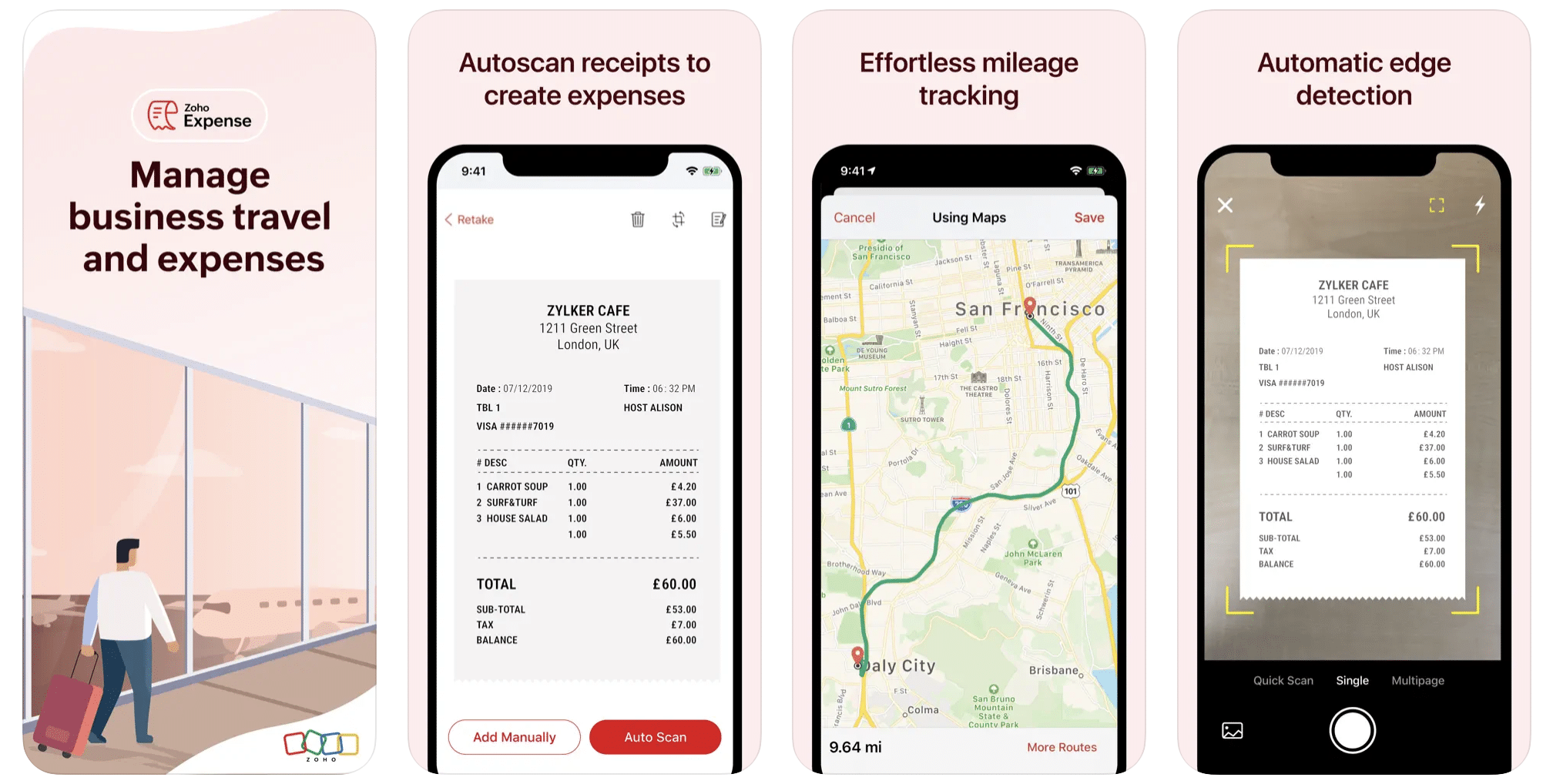
First up is Zoho Expense, which does exactly what its name says. This app is designed to allow companies to give employees a uniform way to create and submit expense reports. It can be used by individuals, including gig drivers, as well.
It includes a mileage tracker, as well as features that let you track other deductible expenses, including the ability to scan and record receipts.
Available on Android and Apple: Yes
Ratings: 4.8 stars on App Store, 4.7 stars on Google Play
Free Version: Yes
Subscription price: $3 per month, billed annually
Created specifically for gig drivers: No
2. Quickbooks Online
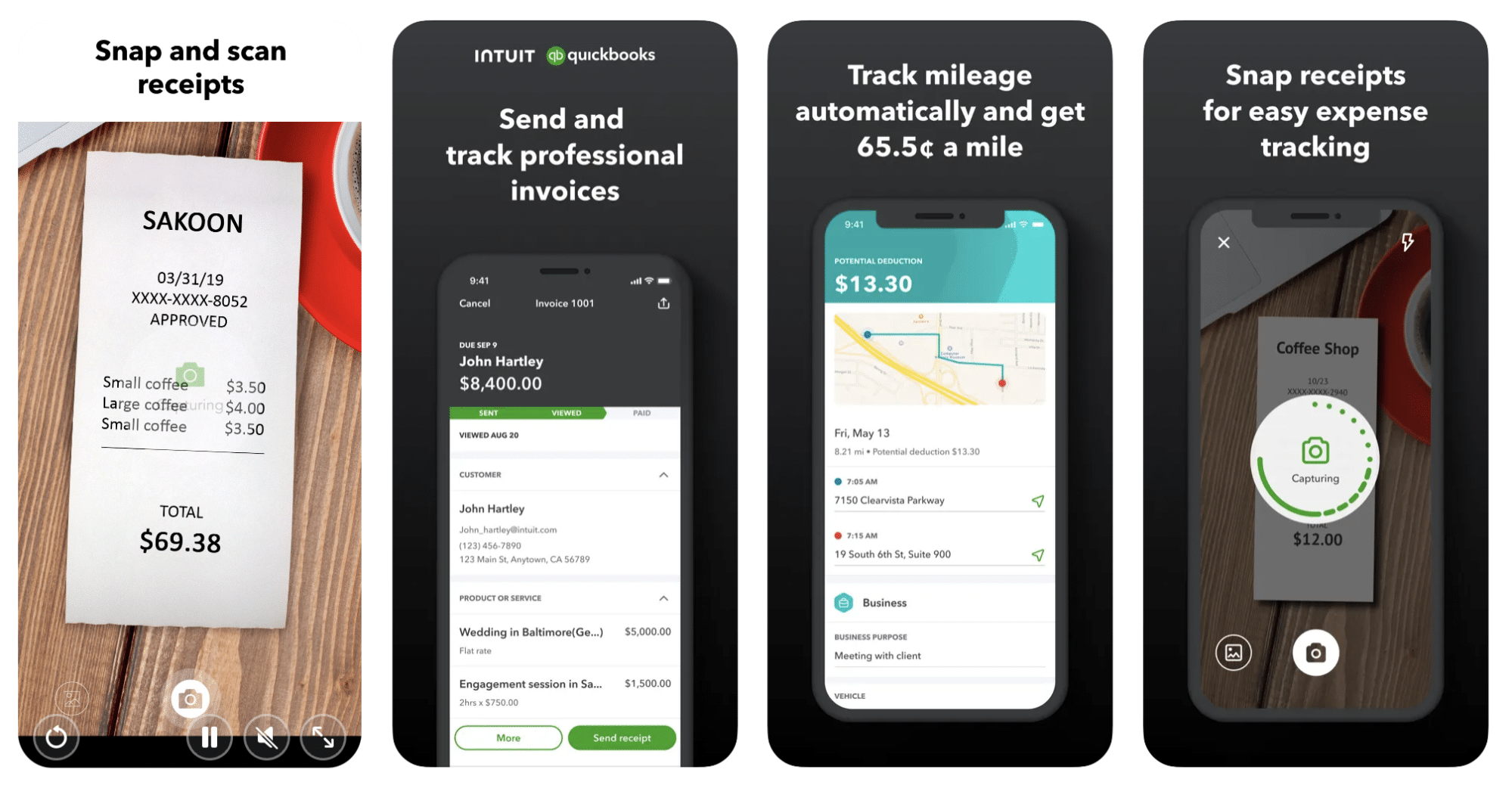
Quickbooks Online is a cloud-based app that allows you to track your mileage, earnings, and expenses. The information you enter can then be used to generate various reports that prepare you for tax time. It also allows you to create graphs that illustrate your cash flow, and includes a receipt scanner so you can instantly record deductible expenses. Quickbooks is popular, highly reliable, and designed mainly to help people keep track of their small businesses.
Available on Android and Apple: Yes
Ratings: 4.7 stars on App Store, 4.4 stars on Google Play
Free version: 30-day free trial
Subscription price: $15 per month for basic version if purchased for 3 months or more
Created specifically for gig drivers: No
Source: quickbooks.intuit.com
3. Shoeboxed
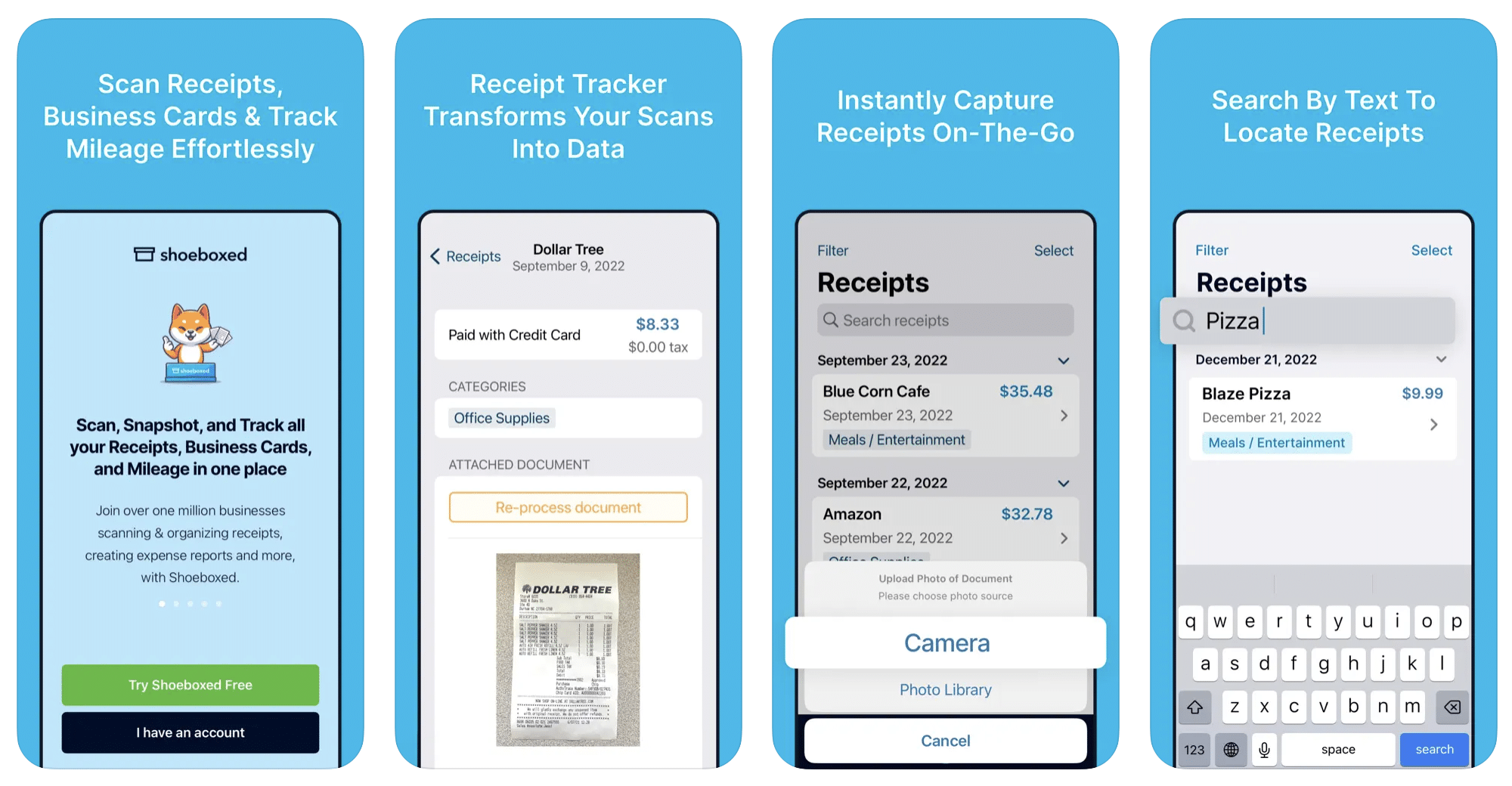
Shoeboxed started in 2007 as a service for scanning paper receipts into digital form. Now the app offers a free mileage tracker and has enabled users to scan receipts directly. It touts itself as the best mileage tracking app for DoorDash, but there are some elements missing that Dashers might like to have. While it provides features that record your expenses and prepare you for tax season, it doesn’t automatically track your earnings. The mileage tracker has a system where you can drop pins along your routes to make the tracking more precise, identifying those legs of a trip that you make for business purposes. The mileage tracker is “free” once you sign up for the basic version.
Available on Android and Apple: Yes
Ratings: 4.5 stars on App Store, 2.3 stars on Google Play
Free version: No
Subscription price: $18 per month for basic version
Created specifically for gig drivers: No
Source: blog.shoeboxed.com
4. Stride
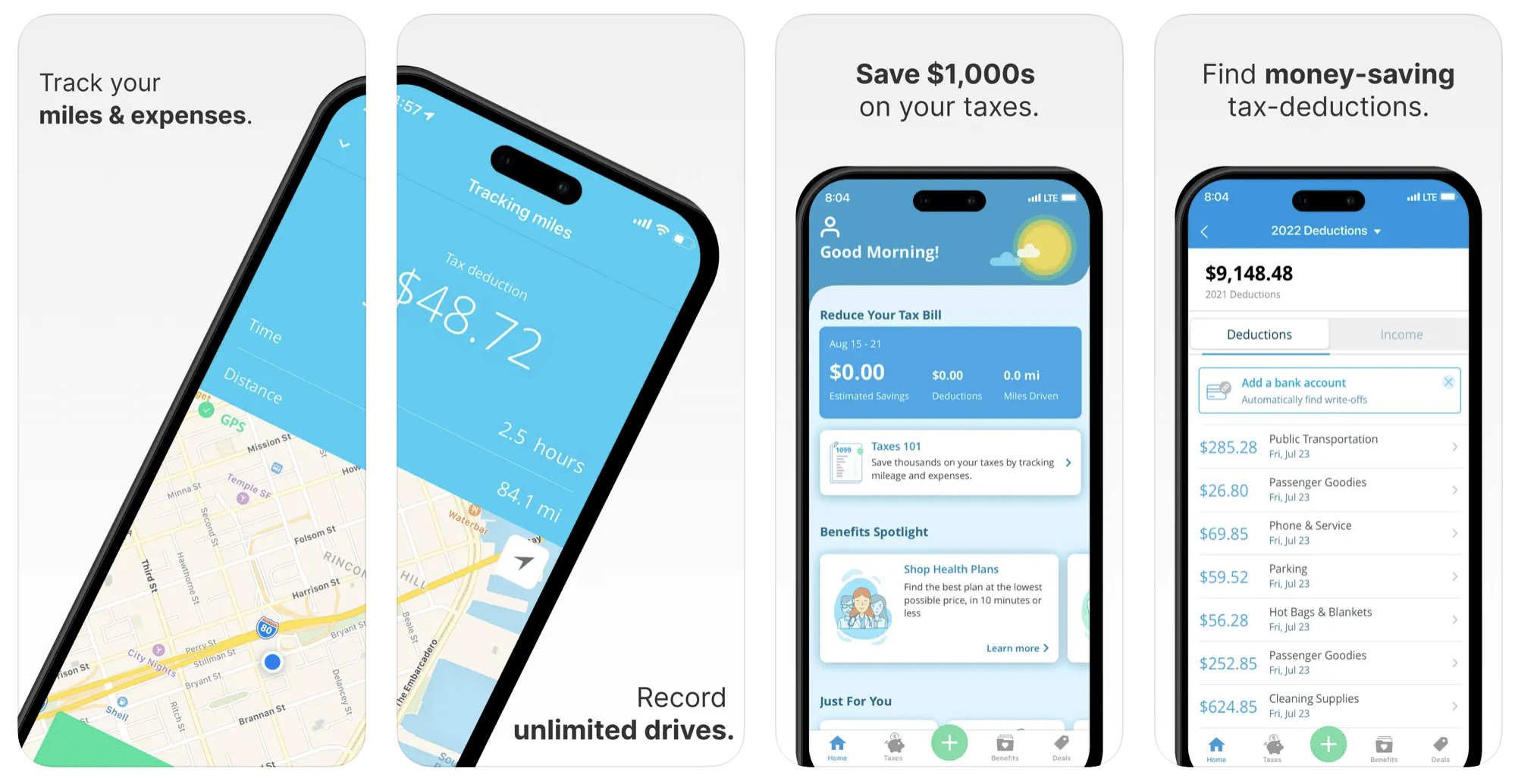
This free mileage tracker does a fair job of keeping track of the distances you rack up while gig driving, but it doesn’t automatically track earnings. It can be a big help, though, in tracking your expenses. You can link Stride to your bank account, and it will automatically scan your expenses to identify items you can potentially deduct. The app is totally free. This could make it the best free mileage tracker app, but there is a small price to pay. The app will persistently push you to consider various insurance plans that they are affiliated with. If you don’t mind that, this is a solid mileage tracker, even if it doesn’t track your earnings.
Available on Android and Apple: Yes
Ratings: 4.8 stars on App Store, 4.6 stars on Google Play
Free version: Yes
Subscription price: None. The app is free.
Created specifically for gig drivers: No
5. Gridwise
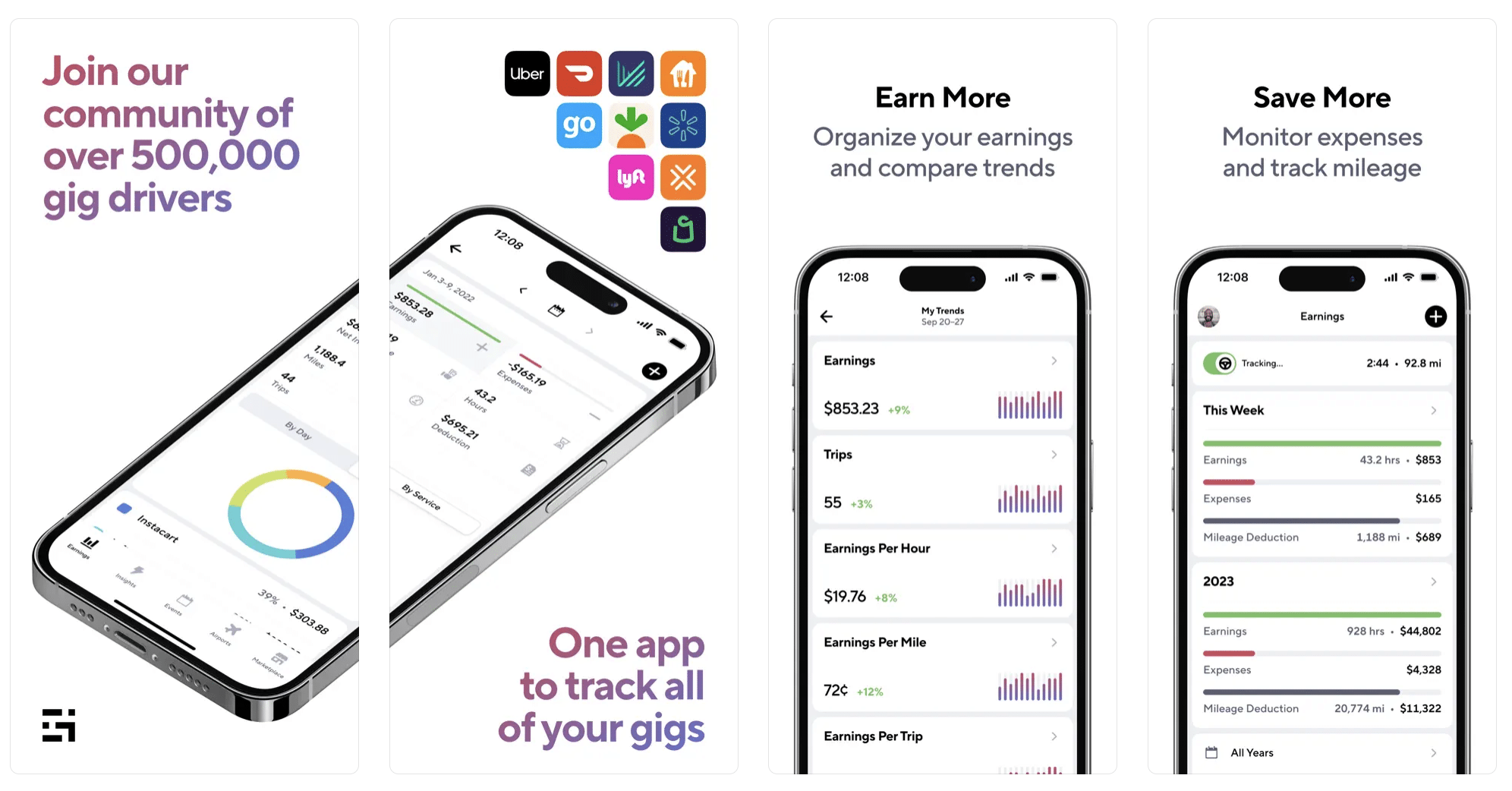
Gridwise has a free mileage tracker and free features that record your income and expenses. It gives you access to insurance and benefits, as well as insights about the best times and places to make the most money while gig driving. The Gridwise mileage tracker captures all the miles you drive while you’re on your driving shift, and it can be used if you have other trips you need to make which qualify as business travel.
Drivers love it because it is geared toward the needs of rideshare and delivery workers, providing free information about airport departures and arrivals, event start and let out times, weather, traffic, and more. The Gridwise Plus subscription adds value by providing additional insights and reports, discounts on benefits, the ability to export data in .csv format,, and more.
Available on Android and Apple: Yes
Ratings: 4.9 stars on App Store, 4.6 stars on Google Play
Free version: Yes
Subscription price: $9.95 per month for Gridwise Plus, or $95.99 per year (a $23.41 savings)
Created specifically for gig drivers: Yes!
What is the best mileage tracking app?
Now that we’ve checked them all out, we’re positive about the answer to that. Hands down, it’s Gridwise. Are we biased? You bet we are! But drivers love it too. Gridwise is the best mileage tracker app, and so much more. So many of the features are free, and the subscription to Gridwise Plus will pay for itself with additional insights to boost your earnings and deeper discounts on products and services.
Most important, Gridwise is designed specifically for gig drivers by experts who were once gig drivers themselves! Knowing what gig drivers need is a crucial step in creating an app that rideshare and delivery drivers can really use! Here are a few of the features, besides mileage tracking:
- seamless earnings tracking
- automatic, on/off toggle and manual mileage tracking
- mileage categorization
- airport, traffic, weather, and events information
- insights into where to drive and when to drive
- reports showing earnings across the platforms you use
- discounts on countless products and services for drivers
- additional resources for finding side gigs
- an informative and comprehensive blog
- affordable benefits, including insurance, medical, dental, and alternative practitioner discounts
- a community of drivers just like you
Don’t settle for just any app. Get the best mileage tracker, and so much more, from Gridwise!
Instacart’s on a hiring spree! What’s in it for you
There’s nothing like stating the obvious: The gig economy has been turned upside-down these past few months. Most drivers prefer carrying passengers over doing deliveries, mainly because passenger rides are more lucrative and easier to come by. Delivering food involves parking, getting in and out of the car, carrying sometimes heavy loads, possibly spilling potent-smelling foodstuffs in your nice, clean car, and after all that … not getting much money. Before COVID-19, most drivers weren’t all that excited to work for delivery companies because they didn’t have to. But now, everything is different.
The big gig shift
There’s still a lot of fear over COVID-19 and all the risks associated with its spread. That, combined with government stay-at-home and shelter-in-place orders, has decimated much of the driving business. While we certainly expect that the day will come when people resume going to and from work, then out to dinner, drinks, and/or large events, right now driving is a very sporadic and challenging way to generate income.
Where are our passengers? Most of them are at home, either working from there or furloughed from their jobs. Whereas they once ran their own errands and did their own shopping, they’re now willing to pay for the privilege of staying huddled in their houses—which means they’re shelling out extra money to get their purchases delivered. And they’re tipping pretty well, too.
This situation makes working for delivery services much more attractive than it was when driving passengers was profitable. The restaurants our riders used to frequent are now takeout only. The bars where they met their friends after work are shuttered. So, people are looking for ways to get their favorite foods and beverages delivered to their homes.
This shift in customer activity has done more than just make delivery companies seem more attractive than before. It’s created a business boom for these companies, as well as a demand for more gig workers to keep their machinery moving. One in particular is making a splash due to an immense amount of expansion: Instacart.
An app-based service for grocery, pharmacy, and pet-supply shopping, Instacart has hired more than 300,000 shoppers and delivery drivers in the last few months alone, and plans to hire 250,000 more. Just like the coronavirus itself, no one saw the staggering demand for new workers coming. Even Instacart didn’t anticipate this level of growth. In an April 2020 interview, Instacart president Nilam Ganenthiran said that because of the coronavirus pandemic, “Every day is a new Black Friday for us.”
When every day feels like the busiest shopping day of the year, you know there are employment opportunities galore at Instacart. There are a few different ways you can work for the company. You can shop and then deliver, pick up and deliver only, or simply be a shopper. This flexibility might make it easier for rideshare drivers to adjust to working for an outfit like Instacart.
What about Instacart worker safety?
It’s pretty obvious why customers (including our past and future riders) enjoy getting their groceries and other items delivered; it’s always convenient to use a service like this one. But with the COVID-19 scare it has become, quite literally, a life-saver. The main reason people use this shopping service so much and so often is they don’t want to go into the stores and risk being infected with the coronavirus.
One of the difficulties Instacart has faced recently is directly related to worker safety. After making recent promises to provide hand sanitizer and other safety equipment to their drivers, they were unable to deliver the goods. Drivers and shoppers also felt let down in other ways too, and they were unhappy with Instacart’s response to their demands. So, in late March 2020, Instacart workers went on strike.
Although the company didn’t meet all demands, they did take measures to help protect the shoppers and drivers who work for them. They have instituted safety programs, and even worked with a third-party manufacturer to create their own line of hand sanitizer. They began providing safety kits to all workers that contain a reusable cotton mask, a thermometer, and hand sanitizer.
Another safety precaution implemented in April 2020 involves shoppers and drivers participating in mandatory wellness checks before starting work. They take an in-app survey about whether they’re having any COVID-19 symptoms such as fever, coughing, or shortness of breath. If they have no symptoms, they can begin their day’s work. But if they do have symptoms, they’ll be temporarily deactivated and told to call their doctor.
While this is a step in the right direction, there’s no guarantee workers will be honest about that fever or nagging cough, and the app can’t take workers’ temperatures—not yet, anyway. Still, it probably does comfort shoppers and their customers to know these precautionary measures are in place.
Is working for Instacart worth it?
Until the rideshare business comes back, most drivers need to consider other ways to make money. As long as you’re healthy, and don’t have any high-risk considerations to factor in, a job like this one might work out for you. Sure, unemployment is available for gig workers during the COVID-19 crisis, but we’ve heard from many drivers who say they’re facing long and frustrating delays.
What are the risks with COVID-19 and beyond?
Once the novel coronavirus is finally under control and the “all-clear” sounds, the economy will inevitably be different. Will rideshare come back to the way it was before the coronavirus crisis? Maybe, maybe not. If it doesn’t, it would be a good idea to have a Plan B in place, like working for Instacart to back you up and supplement your income.
The other side of the after-COVID equation is whether Instacart’s services will still be in demand when the fear of catching the viral disease dies down. It’s hard to know for sure—but our research tells us that people have grown fond of having someone else do their grocery shopping, so the demand for this service is likely to remain strong.
It’s a huge timesaver, and many people consider it well worth the extra money Instacart tacks on for its fee. The ebb and flow of economic trends seems to indicate business may not be as brisk as it is right now, but it will probably remain much stronger than it was before the outbreak.
What about money?
Feedback on working for Instacart is mixed. There are many reports of big tippers. There are also complaints that people put the big tip on the order, and then remove it just as it's been completed. Drivers left holding the bag are stuck with the average $15 per delivery. Those who get big tips, however, can make as much as $25.
Just as with rideshare, delivery pay will vary according to the market where you work. Your take will be bigger in more densely populated areas, and you’ll make more at certain times of the day. Also remember that if you decide to be a full-fledged shopper, you’ll be spending time inside the store, standing in line to get in and to get checked out, on top of driving there and delivering the items to the customer.
Overall, if you can make some money, that’s preferable to making NO money while you sit and wait for the rideshare business to pick up again. Right?
Is Instacart for you?
Once you’ve binged yourself numb on TV series and old movies, you could come to the point where you either want or need to get out of your house and get to work for a service like Instacart.
So here’s a link to help you get started. When the future is uncertain, it’s always a good idea to keep your options open. And remember—with Gridwise, you can track your earnings, as well as your rideshare stats, right on the app. Download it now!
Great Ways to Save Gas While Driving Rideshare
Tell me this … who doesn’t want to save gas? As far as I know, the answer is “no one.”
In high school, I would scrounge around my cup holder and jacket pockets in search of spare bills and coins to buy some gas.The words “fill ‘er up” seldom left my lips, since I usually managed to find just enough for a gallon or two to putz around town.
Things have certainly changed over the years. Now, as a rideshare driver, I fill my tank multiple times a week to keep up with the demands of passengers with places to go. As you undoubtedly know, car payments, insurance, maintenance, and gas are the major costs that make up a driver’s expenses. Depending on your vehicle and how often you drive, these costs can really add up—meaning less money for you at the end of the day.
How can you cut back on gas costs while driving for rideshare?
I’m glad you asked. “Drive less” is the obvious answer, but since that’s not an option, there are some simple tips and tricks to help you cut down on usage and maximize your tank of gas. Read on to learn more.
Let’s take a step back ... what do you drive?
I’m sure you’ve heard the term “gas guzzler” to describe a car that gets terrible gas mileage. If that’s what you’re driving, it’s probably the reason you’re burning through so much gas. But before you go out and buy a Toyota Prius (50 MPG fuel economy, in case you’re wondering), here are some things to consider about the vehicle you purchase and how you maintain it.
Focus on fuel economy
Basically, fuel economy is defined as the number of miles you can drive on a single tank of gas—which is why that Prius may be sounding pretty good right now. The higher the miles per gallon (MPG), the lower the number of weekly tank fill-ups, which means more money in your pocket. When comparing vehicles for purchase, fuel economy is the most important factor to consider.
Bigger isn’t always better
Unless you plan on driving for UberXL or Lyft Plus, you don’t necessarily need a big car. That’s good, since larger cars usually come with higher price tags and lower fuel economy. In contrast, a four-seater like a Honda Civic or a Ford Fusion can provide you with enough spacious seating, as well as good fuel economy.
It’s not the age, it’s the maintenance
There is a common perception that that old cars burn more gas, but that isn’t always true. The MPG largely depends on the type of vehicle and how it’s been maintained. So if you’re thinking about buying a car, keep in mind that a used car could save you a lot of money on your monthly expenses.
If you do decide to go the used car route, be sure to talk to the dealership about prior maintenance and learn all you can about how well the car has been maintained. Even one that’s ten to fifteen years old can hold its original fuel economy when properly taken care of.
If you opt to buy a new car, take care to preserve your fuel economy by performing routine maintenance and keeping the car’s fluids topped off.
Go ahead and fill ‘er up
So you have your fuel-efficient vehicle, and now it’s time to hit the road. But first, you need to buy gas. Here are a few things to consider before filling your tank.
Get the right kind of gas
For obvious reasons, I can’t write an article about saving money on gas without mentioning the various fuel types available at the pump. First, be aware of what level of octane your car requires. Most vehicles require 87 to 91 octane, with some luxury vehicles requiring an octane level of 91 to 95, or diesel. The driver’s manual in your vehicle will explain what you need. Unleaded, regular gasoline with an octane level of 87 is typically the cheapest fuel you can buy, and what most drivers today use in their vehicles.
Don’t overfill
We may not cry over spilled milk, but we can cry over spilled gas when it costs more than $3 a gallon. Most cars will automatically stop the pump once the tank is about full, and I’ll be the first to admit I’ve squeezed the lever once or twice more to get every last drop. What we don’t realize is that topping off can cause liquid gas to enter the charcoal canister, which in turn affects your car’s performance and causes it to run less efficiently. This can ultimately result in damage to your car’s engine. So try to resist topping off the tank.
Consolidate and conserve!
Running out to get gas before your workday can be a pain, but running out of gas (especially while driving) is worse. Consolidate trips and stop while you’re already on the road to keep from burning more gas. Pro tip: If you fill up during the cooler hours of the day, there will be less evaporation loss. It may seem a bit ridiculous, but in the long run it can add up. #science
Check your tires
Another way to make sure you’re getting the most out of your tank of gas is by making sure your tires are properly inflated. In fact, studies have revealed that you can save 0.6 percent of each tank of gas by driving with tires that are inflated to the proper pressure.
While you’re driving
Now that we’ve covered the things to consider while buying a car, as well as what to know and remember about gas, what comes next? The actual driving! Here are some suggestions to consider.
Avoid idling
As drivers, we often find ourselves sitting in our cars with the radio and AC on, awaiting the next ride. Depending on how quickly this happens, we sometimes end up sitting for up to an hour—burning fuel and not making any money. During slow parts of the day, wait for rides with your vehicle off and the windows down. If the weather is bad, you could wait in a coffee shop instead.
Avoid quick starts and sudden stops
We’ve all been there. We’re sitting at a red light, with a merging lane ahead, fervently waiting for the light to change so we can beat the car next to us as though we’re racing in the Daytona 500. As satisfying as this may be, it takes a toll on gas mileage—especially if you don’t end up beating that other car and end up having to slam on your brakes.
Drive at moderate speeds
Just like sudden starts and stops can burn fuel faster, so can driving at high speeds. Avoid pushing your engine to its limit and burning an excessive amount of gas (and possibly getting a ticket) by staying within the speed limit.
Avoid traffic when possible
Although this is much easier said than done, sitting in traffic is basically sitting idle for extended periods of time with quick starts and stops every couple of minutes. If possible, seek alternate routes and avoid heavy traffic.
Learn the art of cruising
One of the first lessons I learned about driving is that I didn’t always need to have my foot on the gas pedal. By taking your foot off the gas and just cruising when going downhill or at an appropriate speed, you’ll save fuel and avoid sudden starts and stops.
Other ways to save
Fuel rewards programs
A variety of credit cards offer gas benefits that can save you quite a bit of money when filling up. Depending on the type of reward, you can earn anything from points toward discounted gas to gift cards.
If a credit card doesn’t seem like the right fit, some grocery store chains offer gas rewards for shopping at their store, which can add up to some pretty great discounts on fuel purchases.
GasBuddy
The GasBuddy app will show you where the lowest gas prices in the city are. While it doesn’t make sense to drive miles and miles to fill up just to save a couple cents, it is good to keep in mind in case you’re driving in the area. GasBuddy is available on iOS and Android.
Rideshare fuel rewards
We’ve talked about the benefits of Uber Rewards, and that includes a specific Visa card that gives you up to 3 percent cash back depending on your level within the program. Lyft also offers a rewards program called Accelerate, with silver, gold, and platinum tiers that allow participants to earn up to $0.07 off per gallon at participating Shell gas stations.
The bottom line
Apart from a car payment, gas is the top rideshare expense that reduces your hard earned profits. By being conscious of the little things we do to waste gas and trying to minimize them, you can maximize your profits and hopefully make less stops at the gas station.
The driver's guide to being on the road during nationwide protests
There are no words to fully describe the tragedy that has characterized the events of this last week in the United States. The seriousness of this situation makes what we do here seem trivial—yet we know it's affecting individual drivers professionally as well as personally.
Although Gridwise is by no means a political group, we are a group that’s devoted to drivers; in fact, our sole mission is helping all drivers reach their potential both on and off the road. And a huge part of that mission is our commitment to stand with every driver who has experienced injustice or inequality—along with our strong condemnation of all acts of racism, discrimination, and senseless violence.
So with that, we’re going to do everything possible to help drivers navigate this extremely difficult time.
There’s no doubt that the civil unrest itself, and its aftermath, will have a huge impact on rideshare and delivery drivers. The instability of the environment created by civil unrest, along with the looming COVID-19 pandemic, make it tough to do your job.
If you decide to work in areas where there could be unrest, we want every driver to be safe, so we put together this post which details what drivers need to know about driving amid protests.
In this article we will cover …
- Why this situation is so difficult
- Measures you should take to protect yourself
- How the rideshare and delivery companies are reacting
- Actions you drivers can take to prepare for a more prosperous future
The wild ride of 2020—wasn’t COVID hard enough?
The COVID-19 shutdowns have already decimated business for many, maybe even most of us. If you asked, “What else can happen?” you may have your answer by now.
It’s especially tough to deal with yet another condition that makes it difficult for drivers to function fully, but deal with it we must. We’re going to have to think smart and take self-protective actions.
If you work anywhere near a city, you’ve seen demonstrations before. Protesters gather, possibly blocking a road or a bridge, or spilling out into the streets around a park. There might be spatterings of violence, but it typically gets handled, it stops, and before too long life comes back to normal.
Well, that was then. We’re in entirely new territory now. For one thing, the unrest is not confined to one or two cities—it’s countrywide. And along with peaceful protestors come bad actors who never cared about what the protests stand for, but simply want to cause destruction and looting.
Also, protests are not restricted to residential neighborhoods. The most activity is taking place in the central business districts of the urban areas we normally serve as drivers, and in some cases it is spreading to the suburbs.
Ideally, you won’t have to drive anywhere near any of these bad actors—but these days, they’re not easy to avoid.
We’re not about to tell you to go out there and drive, nor will we advise you to stay home. What we will do is respect your right to make your own decisions about whether you will or won’t drive, and in both cases, we’ll offer some items to ponder.
Measures you should take to protect yourself
Check your insurance
- Have you taken a look at your insurance policy lately? Would it cover something like vandalism? When bad actors who don’t represent peaceful protestors, are picking out cars at random to set on fire, you don’t have to drive your car anywhere for it to be damaged or even destroyed. Make sure your policy will cover it if that happens.
- This might be the moment when you recognize that your ability to make a living as a driver depends on your car. Make sure you are insured, both while driving for rideshare and when you’re not. If you haven’t yet, you may want to come clean with your primary insurance company and get a policy that doesn’t get nullified the moment they find out you’re a rideshare driver. Most policies won’t cover you for using your vehicle commercially—don’t get caught in that situation! Consider paying the extra money for your own peace of mind.
- If you don’t have it yet, consider getting gap insurance. This is a policy that covers the difference between the value of your vehicle and what you still owe on it. For example, if your vehicle with a $10,000 value is totaled, and you still owe $15,000 or $20,000 to your bank or finance company that holds the car loan, you’re stuck with owing the difference. Gap insurance will cover that amount, and it can be a life saver.
- When or if you do decide to drive for a rideshare or delivery company in this environment, you might want to check what’s in the policy that goes into effect when you drive for them. What would happen if you were to get caught in a situation where bad actors are stopping vehicles and smashing windows and kicking in side panels? You’ll want to be fully insured, with coverage for your passengers as well as yourself.
Abide by curfews
- If you decide to drive or deliver, please be aware of your local curfews. We would be delighted to list every city that has a curfew and tell you if it’s okay to be out driving while they’re in effect, but that’s impossible. There are just too many cities with curfews in effect, and their rules are not only different, they change constantly.
As an example let’s look at June 1, 2020, in three different cities:
- Pittsburgh’s curfew went into effect at 8:30 p.m. local time. The terms of the curfew were that if you entered the downtown area, you would be stopped by law enforcement. The rest of the city was not affected.
- In Los Angeles, the starting time for the curfew changed throughout the day, and wound up being 5:00 p.m. Other districts, such as Beverly Hills, began their curfew at 1:00 p.m. Under the terms of this restriction, no one was allowed to be on the streets at all after curfew.
- In Washington, D.C., curfew began at 7:00 p.m., and during the curfew no one, unless designated as an essential worker by the mayor, was permitted to be on any street or in any park or public place. The “essential workers” mentioned in the mayor’s statement included credentialed media and healthcare personnel, when engaged in essential functions.
Most curfews end at 6:00 a.m., but some end at 6:30 a.m. Obviously, it’s different everywhere, just as curfew starting times differ.
- Be aware of the curfews in your area, and know that if you don’t abide by them, you could be arrested.
- You can find out about your curfew through local news outlets on the Internet, or on radio or TV, and “311” services that might give you up-to-the-minute details on restrictions in effect for your locale.
- We can’t stress enough the seriousness of abiding by curfews. If you violate it, and get slapped with a misdemeanor, you’ll have to worry about taking time off for a court appearance AND clearing future background checks. Another thing to consider is that unlike the COVID-19 curfews, these restrictions are being enforced not only by local police, but in some cases also sheriffs, state troopers, and even the National Guard may be involved.
As we said, your decision to drive is yours alone.
We just want you to know about the risks, and what you could be up against if you decide to take them.
How are rideshare and delivery companies responding?
In compliance with city orders, Uber suspended services in Los Angeles, Oakland, San Francisco and parts of Minneapolis during curfew hours, according to a CNBC report.
Uber CEO Dara Khosrowshahi tweeted Sunday that the company would donate $1 million to the Equal Justice Initiative and Policing Equity "to support their important work in making criminal justice in America more just for all."
Similarly, Lyft confirmed to USA TODAY that it is following local guidance "when relevant." Lyft also donated $500,000 in ride credit to national civil rights organizations.
According to a Buzzfeed news article, DoorDash is “tailoring operations based on the guidance they have received from governments,”.
A Postmates spokesperson said the company is “adhering to curfew orders” and “working directly with Mayoral administrations to balance our essential services designations with the curfew orders as each municipality has a distinct approach.”
A spokesperson for Seamless and Grubhub said the company is “evaluating the situation in each city individually and making decisions based on" input from “local officials, restaurants and drivers.” The company said it is suspending operations when curfew begins in some cities, but declined to name specific locations, citing the “fluidity” of the situation.
Given how fluid the situation is, drivers will need to be diligent about checking to see what apps have shut down and where.
This is when it pays off to be on multiple platforms.
Now, let’s turn our attention to what might happen, and how you might shield yourself from the impact.
Take action to make sure you’ll stay solvent
This situation is a tragedy, no matter how you look at it.
If the protests along with COVID-19 force you off the road, you’ll need to take some self-protective measures. Here are a few suggestions.
- Unemployment compensation. If you haven’t applied for Pandemic Unemployment Assistance yet, consider doing so. Because of COVID-19, business is not really back to normal anywhere. Even if you’ve been driving all along, you can still file claims for future weeks, since complications from the unrest could prevent you from making much money. Check out how rideshare drivers and delivery drivers can file for unemployment.
- Additional sources of financial aid. There are other ways to receive compensation. Most of these funds have been set up for COVID-19, but as the ripple effects of the pandemic continue to impact the rideshare business, you can still look to these sources for help. Learn more about how rideshare drivers can get more financial assistance.
- Find some side hustles. As an independent contractor you’re highly motivated and capable of disciplining yourself to go to work, even when there’s no boss telling you to be there. That makes you an ideal candidate for the many freelance jobs that are available. Learn more about how there are many, many ways to make money from your home.
- Volunteer to help with cleanup. This is an act of kindness, rather than a money-maker, but it’s a way to get out and do something good for your community. It will make you feel good, and it can help to get things moving faster, too. Plus … you never know who you might meet. There could be an employer in need right there who offers you a part-time gig to tide you over until happier and more wholesome times return.
Less stressful horizons ahead
It’s been a sad time in our world, and so far 2020 has brought more than its share of trials and challenges. Still, it’s up to us to make the most out of even the worst situations. We hope this post helps you think about your options, so you can do what’s best for you.
Whether business comes back right away or not, here at Gridwise we’ll continue to look out for the rideshare and delivery driver community, giving you our best ideas and advice in blog posts and in J & Brandon’s amazing podcast.
We also love to hear from you! Comment below if you have any further ideas or contributions to make. Also, be sure to download the app to have instant access to information, income tracking, and discounts and deals for drivers.
Some rideshare drivers are making $50+ in tips per day amid COVID-19. We’re going to show you how
It’s no secret that working rideshare and delivery with a lethal virus in the air is a big risk. Yet many of us agree to take on the risk because we need to earn money, and also because it feels good to know we’re transporting essential workers to their posts and keeping families fed.
Given all this, you would think that people would notice the service drivers are providing, and want to reward them for putting their lives on the line. There are some customers, in both the rideshare and delivery businesses, who do tip as they should. Many even tip more than what we’d expect, but…
There are some customers who tip very little—or not at all. Although it boggles the mind how this could be possible, it happens.
BUT…
There are some drivers who are making a LOT of money from tips, including now amid COVID-19.
Over the past week we sat down with a few rideshare drivers who have had success getting tips, and we drilled them on the strategies and techniques they use. Some of them have even had days where they made $50 in tips.
And in today’s post we’re going to share with you what works best. We’ll cover ...
- What it’s like to have a poor tipping experience
- Why passengers should be tipping more
- Why passengers might not tip more
- How the companies can incentivize passengers to give bigger tips
- Things you can do to improve your chances of getting more and better tips
Going that extra mile, but coming up empty
Although the prevailing belief is that we’re not supposed to expect tips from our customers, most people should know it’s only polite to tip the driver. In COVID-19 conditions, it’s hard to believe people expect drivers to go through with driving and delivering without being compensated at least a little bonus on top of the fare. They depend on our services, and again, we’re taking big risks to deliver them.
Here’s a scenario. You get a call on Uber Eats, Postmates, Grubhub, DoorDash, or whatever food delivery service you use. Picking up the food entails putting on your mask, going into the store, often waiting for extended periods, remembering to social distance (six feet from other delivery drivers!), and then finally getting the heavy bag loaded with a bunch of burritos placed into your delivery satchel or crate … or your (recently sanitized) hands.
You go back to the vehicle, load the food, take off your mask, and the destination is revealed: It’s an apartment building … in a high-crime area. Worse, the delivery instructions say, “Please find my name in the directory, call me, and I’ll buzz you in.”
After driving there, you have to put your mask (and possibly gloves) back on, grab the heavy bag of burritos, ring the main door, wait for what seems like forever to get an answer, and when the door finally clicks unlocked, you have to go inside, board an elevator (with WAY LESS than six feet between you and the people in there with you), pass by several of his sketchy-looking fellow tenants, find the guy’s apartment … and deliver the food.
You try to smile through the mask (and by the way, he’s not wearing one), and greet him cheerfully. You hand him the food, being careful not to touch him, and showing him where you haven’t touched the bag. You think you’ve done so well!
He accepts the food and closes the door in your face.
When you close out the delivery on the app you notice that, for your half hour of time and trouble, you’re going to collect $7.50. Is there a tip? NO.
It’s the kind of delivery that makes you want to go straight home, get yourself lost in Netflix, and wait for the unemployment payment to roll in.
Show us the money
In ordinary circumstances, people tip when we give them extraordinary service. In rideshare, this might mean using your street-savvy senses to find an extra-expeditious route to the airport during rush hour. In delivery, it could mean remembering to bring extra napkins, or adding extra condiments in the bag.
In the COVID-19 environment, any service we offer is extraordinary. For all the reasons we listed, people who choose to work in these conditions deserve the respect and remuneration for going above and beyond the call of what a driver would call “duty.” While we, as drivers, definitely know this is the case, customers may have a different point of view.
Why people might not want to tip
You’re not serving them beautiful meals on a plate
When it comes to food delivery, you have to consider the customer’s point of view. They’re probably paying more than they ordinarily would for the food, because restaurants pad the price to compensate for paying the delivery company’s fee.
People are typically more willing to give tips in restaurants because someone takes their order and serves them their food. In the delivery situation, they figure the company is paying you anyway, so why should they tip you? Unfortunately, there’s no way for them to tell how little you’re getting for each trip.
They already got hit with a service charge
Grocery delivery customers have even more things to consider. Not only are they trusting someone else to pick out bananas at the right stage of ripeness, they’re paying a service fee to the grocery delivery company.
The tip they would give you comes on top of that. Customers are not prone to fork out even more money when they’re already getting hit with a premium charge for the food they buy for their families.
They’re waiting longer, too
In the rideshare world, things are not much better. There aren’t as many rides, and quite often we end up driving 10, 15, and 20 minutes in between rides. Customers would know this because they have to wait for you. As it turns out, they’re just ticked off that you didn’t come as fast as you used to when there were more drivers on the road.
Also, there are instances where the rideshare companies slap a surcharge on the customer, particularly if you had to drive a long distance to take the trip. Adding a tip on top of all that may just be more than a lot of people can afford.
They figure it’s the company’s job to pay drivers extra for working in the pandemic
It’s hard to blame them for that, but the reality is, the companies are also taking a hit during COVID-19. Many are suspending delivery charges to keep the food going out to hungry customers, and the rideshare business has been decimated through this crisis. Still, people don’t feel they should pick up the slack, and when we turn the tables, we can’t really disagree with them.
What the companies do to get tips for us—and what they could do better
While tips are supposed to come to us because of what we do as individuals, the companies also play a part in it. During the COVID-19 crisis, in-app suggestions from the companies could have an influence on their tipping habits. Let’s see what the individual companies are doing—and not doing—and how they contribute to the average driver’s tip jar.
Uber’s policy
Uber got in a lot of trouble a few years ago for not having an in-app tipping option. That has changed, thankfully. Now, for both Uber rideshare and Uber Eats, after the customer rates the driver, tipping options come up, for a 10%, 20%, or 30% tip. Customers can also tip you through their email receipt, up to 30 days after you drove or delivered for them. Uber also mentions that it’s fine to tip in cash.
How to do better
While an easily clickable range of tips could turn out to be pretty sweet if you’ve just done an $80 airport run, a 30% tip on a $10 burger and fries order is only going to be $3. It would be nice ... if they sent messages to riders and delivery customers explaining how important it is to tip drivers extra for going out into the COVID-19 environment to provide services for them, even if it’s just to the local fast food eatery.
Lyft’s policy
Lyft’s tip policy is almost identical to Uber’s, with an in-app tipping option and directions on the website (and in the rider app’s help section) on how to honor the driver’s service.The one difference with Lyft is that the time range for tipping is only 72 hours.
How to do better
Here again, more reminders about what drivers go through to make sure customers have a safe and pleasant ride, and how much they deserve to be paid extra in these challenging times.
DoorDash’s policy
DoorDash offers the option for in-app tipping, but the screen for this comes up at the time they place their orders. That isn’t great because it’s hard for customers to know what kind of service they’re going to get. What if they tip someone 30% in advance and they bring smooshed fries and a cold burger, with half a milkshake dripped all over it?
It’s still possible to add or change a tip after the delivery, but the customer would have to go back to the help section to get that done. The worker who delivered the disaster of an order would probably lose that tip, deservedly so. But ... if someone wants to tip you big after the fact, the need to find the right page in the help section is going to make that much less likely to happen.
How to do better
DoorDash really needs to change the ways they offer options for customers to tip, so they can do it on the front and back ends of the order. Also, they could do more to emphasize how much the drivers are doing for their customers.
Grubhub’s policy
Grubhub offers customers the opportunity to tip at the end of the order. They even suggest tip amounts based on the full cost of the order, not just the food. This is an excellent policy, particularly when customers are ordering drinks as well as food.
On the Grubhub blog, there’s an article about tipping your Grubhub driver. It mentions how important it is to the driver to receive this extra amount. And ... they even suggest that you never tip less than $5.
How to do better
Grubhub doesn’t go out of its way to let customers know how much extra work and risk drivers are going through with the pandemic. If they were to do so, their already generous efforts to help drivers to get more tips would be even more beneficial.
Postmates’ policy
The Postmates app lets customers leave tips after they receive the order. This is the reverse of DoorDash, and it presents similar problems. What if the customer forgets to go back into the app to leave a tip? As for cash tips, in the COVID-19 environment most customers don’t want to see you face to face. They want you to leave it at the door and walk away, to avoid spreading the virus.
How to do better
Postmates needs to give its customers more opportunities to leave a tip—and more reminders as to why it’s important, especially considering the extra hardship drivers endure these days.
Instacart
The giant grocery delivery company has even more of a checkered history than Uber when it comes to their tipping policy. In the past, they’ve even taken tips that customers added on—and took part of it away from the driver to add to their service charge. After being called out on this, the company changed its ways.
Working for Instacart is even more involved than rideshare or food delivery because in most cases, there is actual shopping involved. A lot more time is necessary for each order, and the basic pay is not very high. This makes it even more essential for the company to convey the importance of tipping.
Instacart suggests a tip of 5%, then allows the customer to adjust it—or remove it altogether. Because there’s already a service charge for all orders, many customers balk at also adding on a tip.
How to do better
It would be nice, especially because of Instacart’s past troubles, if they provided the public with more information about how their shoppers and drivers deserve generous tips.
What drivers are doing to get bigger tips
If you’ve been in the rideshare or delivery business long enough, you know that the more you relate to your customers and provide those extra touches, the more likely you are to get good tips. Even though it’s true you’re doing the world a favor just for being out there, you should avoid acting like that’s how you feel.
We sat down with a few drivers who are regularly making $50+ per day in tips, and they gave us their insight about how rideshare and delivery drivers can increase gratuities.
Tips for rideshare drivers
Have great customer interactions.
“Everyone is pretty sensitive right now,” says James, a Pittsburgh rideshare driver and Gridwise user. “So it goes a long way to simply do what you can to brighten a passenger’s day. That makes it hard to forget to tip.”
If you want to consistently receive tips, you need to make an impression on your passengers that causes them to remember you.
How?
Make sure to have extremely positive interactions with customers from the moment they call you to the moment they leave your car.
James offered the following examples of ways to create a positive customer experience.
- Put on your mask before the customer enters the car.
- When you’re wearing a mask, it’s hard for your customers to see that million dollar smile! Wave at them, in the friendliest way you can think of, so they know you’re happy to welcome them.
- Offer to play the kind of music or other entertainment the rider would prefer.
- Offer to open car doors and the trunk to allow the rider to avoid contact with these surfaces.
- Ask your passenger if the temperature is comfortable.
Keep your car clean.
“It’s all about having a clean car these days,” says Regina, a Chicago area rideshare driver. “With COVID-19, everyone wants to feel clean and safe, so the more you can do to make sure your car feels, smells, and is clean, the more you’re going to get tipped.”
We couldn’t agree more with Regina here. Uber and Lyft know how crucial cleanliness is in this COVID-19 world, and so should you.
Regina offered some tips to ensure your car feels spotless to passengers:
- Put on your mask before the customer enters the car. This is often the first signal to a passenger about the cleanliness of your vehicle.
- Offer the customer the option of cleaning any surface he or she would like with wipes or whatever cleaning products you’re using in your car.
- Follow all company and state guidelines for protecting you and your riders from the virus.
- Offer to open car doors and the trunk to allow the rider to avoid contact with these surfaces.
- Spray air freshener after every ride.
- If possible, arrive with your windows open to show the passenger that air has been flowing throughout the vehicle.
If they’re up for it, spark a conversation.
Who doesn’t love a talkative passenger?
People are incredibly interesting, and one of the best perks of being a rideshare driver is that you get to meet and chat with dozens of people each week. However, amid COVID-19, people could be less inclined to speak for fear of spreading the virus through their breath.
“You need to read the room,” says Kate, a Lyft driver in NYC. “Sparking conversations certainly helps with tips, but some passengers just want to sit there and think about nothing. I respect that.”
If a passenger has earbuds in, is working, has his or her eyes closed, or just looks preoccupied, be cautious when sparking up a conversation. You can throw out a question or two to test the waters, but don’t be pushy.
Let them be the DJ.
No matter what’s going on in the world, most people love music.
Music is a big part of the in-car experience, so asking passengers if they want to listen to a certain radio station is a great way to make them more comfortable. If you want to take things a step further, offer an auxiliary cord to your passengers and let them completely choose the music you listen to during the ride.
Letting passengers play DJ also gives you the opportunity to connect with them. Some passengers will have similar tastes in music as you, and you can share your experiences or recommendations with them. This is a great way to spark an enjoyable conversation.
Tips for delivery workers
Execute the delivery as quickly and smoothly as possible.
“Before anything else, you just have to get the food to the right place, as quickly as possible, with as few issues as possible,” says Reggie, a Miami-based DoorDash driver. “If there are issues with the order or speed of the order, that’s when you start to run into problems.”
Use a mask and gloves to demonstrate your efforts to avoid spreading the virus.
“A lot of people are going contactless delivery,” says Laurie, another DoorDash driver in Miami, “but when you do see a customer, you want to make sure that you have on your protective gear.”
If you leave the order at the door, let the customer know you’re there so it doesn’t get cold or eaten by neighborhood animals—including humans.
“It’s honestly surprising to me how many food delivery people I see that just leave the food there with no notice,” says Reggie. “You did all that work to get them the food, send a message to tell them it was delivered!”
Take a photo of the delivery at the door, if instructed.
“As a customer, I love to get the photo of the food at the door,” says Oscar, a NYC-based Grubhub driver. “A lot of people live in apartments and have to go searching for their food. Simply alleviating that can be huge.”
If you get to meet them, give the customer the receipt. Often, this inspires them to tip you, as they see the amount and that the tip isn’t on there.
“My favorite trick is to give them the receipt,” says Oscar. “A lot of people don’t really realize that they’re not tipping sufficiently, so putting that in front of them and showing them that it’s not is a great way to spur more tipping.”
A (hat) “tip” to you
We hope this discussion about tipping in the COVID-19 environment addresses some of your concerns, and gives you the tools you need to keep the tips coming. You are doing a great service by working in this scary world we find ourselves in, and you deserve all the appreciation the world can afford to give you.

These gig-worker advocates are fighting for better wages for drivers: Here’s what they’re demanding.
It’s been about a year since Uber and Lyft went forward with their public offerings. Literally riding on the backs of drivers, they got all kinds of benefits from public funding, and leapt into further efforts to pump up their profits.
Still, they gave the people who worked for them, as “independent contractors,” no benefits, no minimum hourly wage, and very little protection from economic and physical disasters.
As far back as 2015, rideshare and delivery drivers in different cities formed groups and staged protests against unfair company policies. The public offerings of 2019 inspired more groups to form, and pushed all of them to grow. Now, with the problems that emerged due to the recent pandemic, the gig workers’ movement is ready to blast off.
Organizations with the interests of gig workers foremost in mind gathered on the actual anniversary of Uber’s offering, May 8th, at a “vIrtual rally.” The COVID-19 pandemic kept them from meeting in person, but social distancing also encouraged them to join forces in a world-wide ZOOM meeting! They presented reports on their progress, and took the time to advance an agenda to address more recent issues.They also revealed how they hope to shape a more hopeful future.
In this blog post, we’re going to clue you in on the virtual rally, and tell you:
- Where drivers can watch the “virtual rally”
- Who was there
- What the groups want
- What the gig worker advocate platform stands for
- How much progress they’ve made so far
- What’s coming next
Where can drivers watch the virtual rally?
Drivers can watch the virtual rally below.
Who was there?
Centered in Chicago, Lenny Sanchez of Gig Workers Matter/Chicago Rideshare advocates organized the event. He was joined by representatives of groups in his own hometown, and others in Boston, Philadelphia, Colorado, California, New York, Melbourne, Australia, Panama City, and Nigeria.
What do the groups want?
In general, the groups want gig workers to have the support - financial and otherwise.
This means anything from a basic minimum hourly wage, health insurance, sick pay, and unemployment insurance to universal income assistance for non-U.S. citizens, equipment such as PPE, and hazard pay.
The list of items drivers desire grew, both in size and urgency, when COVID-19 came into the picture. “Privileges “ such as sick pay and help for healthcare and notices for health hazards became “necessities” within days of the outbreak. The raison d’etre for advocacy groups and their collective mission became unquestionable by that point in time.
At the May 8th virtual rally, Chicago Rideshare Advocates’ rep, Laurie Simmons, offered a definitive list of demands:
- Lobby state legislature to disallow new worker classification categories that would permit corporations to avoid their responsibility to protect workers.
- In light of the COVID-19 crisis and what may happen in the future, a minimum 4 weeks’ universal sick pay, expanded to cover existing conditions and family care. This should amount to 100% of average weekly earnings for the last 4 months.
- In emergencies, such as the 2020 pandemic, $50 per hour hazard pay, PPE, training on hazards and best practices for handling them, healthcare coverage, notification of hazards, and a 24-hour hotline for reporting hazards, and help with applying for sick pay and/or unemployment in the event of exposure.
- Universal income assistance to close the gaps that exist due to immigration status; and immediate, permanent expansion to at base employees for Unemployment Insurance in every state.
- Immediate expansion of Medicaid to all at base workers.
- Additional national stimulus extended to all at base workers.
She also spoke to the woeful condition of the state-level Unemployment Insurance websites and computer systems, which made it difficult if not impossible to receive newly-instated CARES act unemployment benefits. Thousands of drivers had problems and questions, and when they reached out, didn’t find anyone to answer them on the other end of their communication devices.
Representatives from other states brought out the importance of these and additional issues. In New York, Michelle, an organizer for Independent Drivers Guild (an affiliate of the Machinists Union), emphasized the need for organizing to continue some of the work they’ve already done to prevent wage cuts and stop exploitation by the companies.
In Boston, Felipe Martinez says they are working on the issue of misclassification, the companies’ practice, or treating drivers as “independent contractors.” They want to organize a union, without the corporations being involved in those unions, so the group would have the ability to negotiate with the rideshare corporations.
In Colorado, the Colorado Independent Drivers United group is affiliated with the Communications Workers of America. They want to develop a strong voice on the state level, standardizing pay, capping driver limits, getting companies to account for summary deactivations, and to begin to address the issues of driverless cars.
Edan Oliva of Gig Workers Rising spoke for drivers in the San Francisco Bay area. They successfully lobbied state government to get Assembly Bill 5 passed. This bill requires the rideshare companies to classify their workers as employees. Learn more about what rideshare drivers need to know!
This group wants to continue to build coalitions, and empower essential workers, during COVID-19 and beyond, and help drivers get unemployment benefits, where they can.
Philadelphia also has an extremely active drivers’ group, It’s called the Philadelphia Drivers Union, and Ali Razak described their efforts to organize, with the ultimate goal of forming a union. They want to stand together to protest the lack of labor and transportation law enforcement on the part of the companies, and address the issue of unwarranted deactivation.
All of the groups spoke of the need to connect with other drivers and to organize so that one day the dream of collective bargaining with the gig economy companies can finally be achieved.
What does their platform stand for?
As you can see, there are different U.S. cities represented in the movement, and this virtual gathering even included participants from Nigeria, Australia, and Panama City. Drivers share many concerns in common, particularly when it comes to taking a stand with the companies they work for.
One organizer put it very well, mentioning that drivers need to stop believing Uber, Lyft, and other gig economy companies are our masters, and we, their slaves. Instead, we need to see that the rideshare and delivery drivers ARE these companies. If we stop working, so does their business.
Taking in the concerns from all the different groups, the gig worker advocate platform can be summarized like this:
- Promote legislation that prohibits companies from using the “independent contractor” option with their drivers, forcing them to classify them as “employees,” with all the benefits that come with that classification.
- Push for minimum hourly wage, sick pay, unemployment insurance, disability coverage, hazard pay, safety training and equipment.
- Educate drivers by offering safety classes, telemedicine, eye care, discount dental care.
- Prevent companies from manipulating the market, as in allowing more drivers to come into the system to drive down the amount they pay individual workers.
- Push to form a worldwide union, and gain the ability to engage in collective bargaining with the gig economy companies.
What progress have they made?
Despite the companies’ efforts to lobby politicians and defend themselves vigorously when faced with class action suits, gig workers’ advocacy groups have racked up an impressive list of accomplishments. Right now, they operate on a city by city basis; but if they continue to meet, as they did in this virtual rally, their scope may eventually encompass the country, and the world!
Here’s are some of the achievements they’ve got under their belts already:
In Philadelphia:
- Joined class action suit against Uber to stop worker exploitation
- Protested against a lack of labor and transportation law enforcement
- Won back $4.3 million in reduced wages and tips for drivers
- Forced companies to provide wheelchair accessible vehicles
- Reduced licensing and inspection fees for drivers
- Brought back hundreds of drivers Uber had wrongly deactivated
- Won free commercial insurance for luxury drivers during COVID-19
In New York:
- Pushed for - and got - Uber to add an in-app tipping option
- Stopped exploitation via rate cuts
- Secured an hourly gross minimum wage of $27.86
- Created and provided free safety classes, chauffeur classes, free telemedicine, eye exams, and eyeglasses, and got discounts on dental coverage.
- Formed a wellness team of certified counselors and made their services available to drivers and their families.
- Distributed masks and gloves to drivers during the COVID-19 crisis
In Chicago:
- Presented the case for securing unemployment and rent forgiveness
- Pushed companies to pass on the increased surge prices to drivers
- Presented a list of demands that will be sent to the mayor and state legislature (see above)
- Pushed for the right to collective bargaining
In Boston:
- Built a strong group of drivers to protest pay cuts
- Formed an alliance with state government to create and pass re-classification laws
- Worked to build a strong, uniform network of drivers across the country
In Denver:
- Provided unemployment benefit information
- Protested against Uber pay cuts
- Encouraged drivers to talk to one another and form a cohesive group
In the San Francisco Bay Area and the State of California
- Worked to get Assembly Bill 5 passed; forcing companies to classify workers as employees
- Delivered petitions to Uber and Lyft protesting pay cuts and classification as independent contractors
- Shut down traffic with a caravan of cars in front of Uber’s corporate headquarters on the day of its IPO to draw attention to the company’s unfair practices
- Helped drivers with unemployment insurance applications
- Built coalitions and empowered essential workers during the COVID-19 crisis
What’s next?
The COVID-19 crisis has mobilized the effort to unite drivers and push to form a true union, capable of being recognized in the collective bargaining process. This has happened because of the acute nature of the issues that arose.
The risks drivers take as they transport healthcare workers, other essential employees, and the things that are needed to keep families fed during this crisis are formidible. Who makes sure the companies are taking precautions and compensating drivers according to what they deserve for taking these risks?
The issue of unemployment, while solved temporarily by the CARES act, stands out more than it ever did. What will happen when the next disaster strikes, and drivers lose their source of income?
Self-driving vehicles, although not ready to roll quite yet, will become an issue in the future. Many advocates believe drivers will need to stand up against being usurped by these high-risk products of the wig worker companies’ most audacious technology. The threat is not imminent, but it is on the horizon.
As the companies scramble to make a profit, both during the crisis and after it ends, how can drivers be sure their income will be protected from wage cuts and excessive driver-to-driver competition? The massive number of unemployed members of our society will make it that much easier for the companies to find people desperate enough to take even the lowest rates they can offer.
It’s clear that, as the gig economy grows, the people who work within it need to have the protection unionization might bring. The trick will be to ensure that the formation of such a structure is done in a way that doesn’t permit the companies to freeze out unionized workers. That’s why it’s so important to draw on the experience of organizers who’ve already secured legislation, and all of the groups to join forces so that a wider, more powerful, and effective advocacy group can be formed.
COVID-19 keeps us from meeting in large groups for the moment, but this devastating situation has given the driver community a hidden benefit. This virtual rally - a gathering of several solid driver advocacy groups, might not have happened if the pandemic didn’t force the groups to meet online rather than outdoors or blocking traffic in their respective cities.
Now, with all these groups joining forces, the movement to get fair treatment and protection from drivers could very well be...unstoppable!.
Get even more information by searching on the hashtag: #TheGigIsUp.
What do you think?
Now that we've given you the facts, what do you think? Should drivers be getting paid more? Is employment status a good idea, and how would you feel about being a member of a potential union for gig economy workers? Let us know in the comments below!
The rideshare and delivery drivers’ guide to sanitizing your car during COVID-19
By now you’ve undoubtedly heard about the new policies from Uber and Lyft.
As mentioned in our previous article regarding Uber overhauling their app due to COVID 19, both companies are imposing these policies on drivers (and Uber Eats deliverers). You’ll have to complete a checklist that includes this directive:
DISINFECT YOUR VEHICLE.
There are at least two good reasons why we need to keep our vehicles not just clean and shiny, but also disinfected and safe.
- It’s common sense. We need to do our part as drivers to avoid getting and/or spreading the coronavirus.
- It’s good for business. When passengers are reassured that our cars have been sanitized, they’ll feel safer and more comfortable using rideshare.
Oh, and there’s also other incentives like zeroing out the chance of getting ketchup ground into your (or your riders’) favorite jeans.
Now, as this new policy takes effect for both Uber and Lyft, it’s become an absolute must-do. You’ll need materials and ideas about how to do this quickly, effectively and safely. Wait—did we say you’ll need materials? Yep, that too.
We understand that many of you disagree with how much the rideshare companies are stepping into our cars and making drivers comply with more and more mandates. However, since these are likely going to be the new rules for at least the next few months, we wanted to ensure that every driver knows how to disinfect their vehicles and keep both drivers and customers as safe as possible.
WIth this in mind, we created this blog post to answer and explain:
- What are the risks of spreading the virus in your car?
- What products should rideshare and delivery drivers use to disinfect their vehicles?
- How can drivers ensure their surfaces won’t be ruined?
- How drivers should clean their car (step-by-step)
- Who’s going to pay for your cleaning materials
Here you go!
What are the risks of spreading COVID-19 in your vehicle?
Recent word from CDC tells us that, while we don’t have to be quite as worried about transmitting the virus via surfaces than we were in the beginning, there’s still concern about how much contagiousness can happen in the close quarters, where we share space in the confines of a rideshare or delivery vehicle.
What we do know is, the COVID-19 virus spreads most prolifically from droplets in the air, namely from a cough, sneeze, saliva, or other respiratory-related fluids. In the teensy space of your vehicle, it would be pretty easy for the virus to pass from one person to another!
Without getting too graphic, just think for a moment about what happens between you and passengers in your car. You don’t know if they’ve just come in contact with droplets from the virus just before you met them; you don’t know if they are sick; and you don’t know if they’ sneeze and leave droplets hanging around in your car for them to be picked up by you or your next passenger.
We acknowledge drivers could be just as culpable, but that’s only going to happen by accident. You’re going to take precautions and avoid spreading the virus for your own good as well as that of your passengers, at all times, right?
Knowing all this, you’re going to want to keep your vehicle not just clean, but sanitized. We dug into the best ways to do this, so we can offer you the ideas and answers you need to stay safe, and sanitized.
What products should you use to sanitize your vehicle?
Before you venture out on the often futile, often pricey quest for disinfectant wipes, let’s look at what you’re trying to destroy the novel coronavirus COVID-19.
All disinfecting compounds are not equal, and not all are effective against COVID-19. On top of that, some can damage the surfaces in your car. That’s why we’ve listed some ideas about how to find the right disinfecting compounds for your car.
First, use soap and water
It may not be common knowledge, but viruses protect themselves with a layer of fat, and they need that layer to remain intact. Because of that, the #1 most effective way to disinfect surfaces in your vehicle, as well as any other objects (phone charger cords and your delivery bag, for sure), and your own hands is: soap and water.
There’s no need to get the antibacterial variety; research has shown that it’s no more effective than plain soap. All you’re really looking for is plain soap’s grease-busting ability.
When you use soap and water on a surface, any COVID-19 viruses that are present will lose their protective coating—meaning their ability to infect you or anyone else will be neutralized. Possibly the greatest thing about soap and water is that it’s easy to get, and it’s also cheap to buy.
Unlike disinfecting wipes, which tend to fly off the shelves in stores, you won’t have a problem finding basic soap. Also, with soap you won’t have to deal with harsh ingredients that can be harmful to the materials in your car, and your hands.
How is it possible to carry soap and water with you? Here’s how: Get a spray bottle, fill it almost to the top with water, add a touch of liquid soap, then shake it up. Dishwashing soap (especially blue-colored type) is an excellent degreaser, and would serve you quite well.
Once you have your mixture ready, test it before taking off with it in your car. Try it out on a hard surface like a kitchen counter to make sure it isn’t too soapy. You’ll know you have it right when it cleans the surface, yet wipes right up without leaving a film or bubbles.
Another important step in disinfecting is rubbing. With a bit of elbow grease, and repeated back-and-forth motions, your disinfecting effort will be close to 100% effective. In your car, it’s probably best to use paper towels, and to keep things clean every time, use those towels only once.
By the way, you can use your spray-on soap and water mixture on your upholstery, too. Spray lightly, rub, and wipe thoroughly, and it should dry quickly.
Chlorine bleach
The CDC says that chlorine bleach is another basic cleaning tool that is quite effective against COVID-19. Its active ingredient, sodium hypochlorite, kills the RNA protein within the virus. Bleach is rather easy to get, and pretty cheap. You can mix it with water, just as you would with regular soap.
The problem with it is how easily it can damage different surfaces, including leather. Even in a diluted form, you’ll have to be V E R Y careful not to get the bleach solution on your carpets or upholstery. As you most likely know, bleach removes color from fabric. Your nicely patterned seats and carpets could acquire rather unattractive non-matching splotches, and even holes, and nobody wants that.
When you use bleach, let it sit on the surface for a few moments before wiping it up. Some sources say you might need to wait at least 10 minutes to get the full effect. It’s a powerful cleaner, and will leave a distinctive chlorine smell when you’re done. You may want to crack your car’s windows so the fumes don’t get too overwhelming and harmful.
Rubbing alcohol
Rubbing alcohol is another substance you can use to clean the hard surfaces in your car. Like soap, alcohol attacks the protective layer of fat surrounding the COVID-19 virus, disabling its ability to infect you or your riders.
Alcohol is potent, so you should dilute it with water before using. Be very careful about using it on any aluminum finishes in your vehicle, and be aware that it can melt certain kinds of vinyl and plastic. All in all, if you use alcohol as your cleaning solution, use it with great care.
The smell it leaves behind will be reassuring to anyone who’s concerned about your car being clean, but it won’t be terribly pleasant. Crack the windows after using it, or maybe spray a refreshing scent to offset the smell that triggers memories such as, “Oh no! That doctor’s about to stick that strange looking object in my ear.”
Disinfectant wipes
They’re quick, they’re easy, and they’re disposable … but they’re not easy to find in this environment of pandemic-era hoarding. If you do manage to score a container or seven of disposable wipes, you can use them on most surfaces in your car safely, easily, and in a manner that often leaves behind a pleasant fragrance.
Besides, having a pack of wipes floating around in the car makes customers feel safer. You can even offer them the option of wiping any surfaces (such as the backs of seats, seatbelts, or armrests) they may be concerned about.
Steam Cleaning
All the ways of wiping your car clean do a lot of good, and are especially handy for when you’re out and on the go. But when you really want to get into the nooks and crannies, and kill as many of those little COVID-19 devils as you can, steam cleaning is a really good option!
There’s a company in the D.C. area, Drive Whip, which is going out of its way to help drivers feel safe about getting back into their cars. They’re offering steam cleaning of the inside of drivers’ vehicles, for free! You might be able to get a similar service in your area, and even if you have to pay for it, it can be well worth the price. We interviewed them on the Gridwise podcast!
There are also hand-held steamers that can be easily rented or purchased. They’re a good appliance to have on hand as a driver, and they’re useful all the time. (Nothing eradicates road salt and pet stains as well as steam, that’s for sure!) Remember that you need both the heat of the steam and pressure. The type of steamer used for clothing, unless it has an option to exert pressure, isn’t going to do it.
How to ensure your car surfaces won’t be ruined
Make sure your door handles (inside and out), seat belt buckles, gear shift, key fob or power button, lightswitch, steering wheel, turn signals, hazard lights, delivery bag, etc. get a good wiping—but before you go nuts with any of the products we suggested here, test them on small areas, and use common sense.
You don’t want to spray water into your touchscreen, for sure, and you’ll want to avoid getting your electronically endowed steering wheel too wet. You can try spraying a small amount of cleaning solution on a paper towel and then wiping the steering wheel with it.
As for that touchscreen, the best thing you can do is keep it clear with just a dab of screen cleaner and a microfiber cloth ... or whatever your vehicle’s manufacturer recommends. Don’t know what that might be? Follow that ancient IT adage: RTFM (Read The *&%*$)# Manual).
How to make your sanitizing practice a safe and easy routine
Once you decide what you’re going to use to sanitize your car, let’s go step by step to make sure you’re covering all the bases. It would be wise to cover your hands - with gloves - while you go through this procedure.
Follow the below checklists to make sure you clean every spot on your car.
First, clean the outside of your car
- Begin with the door handles, including the trunk or hatchback. Get them nice and germ-free, leaving the driver door open so you won’t re-contaminate it when you go inside.
- If there are any other surfaces you or your passengers are going to touch, such as side mirrors or a wiper blade or antenna, make sure you get those too. You might consider taking care of the sides of the doors, where people often touch when they close the door on their way out.
Second, clean the inside of your car
- Wipe down all the seats, including the back sides of the front seats.
- Get the security handles people often grab when they’re riding around in your car.
- Sanitize the seats, then the seatbelts - both the fasteners and the fabric. People often touch these surfaces - and they could sneeze or cough on them, too.
- After that, thoroughly sanitize the door handles, and the switches for the windows as well as locks, if you have them in your vehicle.
- Remove the mats and clean them separately, outside of the car. Send some sanitizer into the floor covering.
- Pay special attention to arm rests. (People could sneeze one minute, get into your car the next, and wipe their virus-slimed forearm or sleeve on your arm rest!) Make sure you get any loops or handles they might have touched
- Clean out the cup holders, and the areas around them.
- Clean the on-door compartments and look out for any items (especially tissues) people might leave in there. Candy or gum wrappers could also carry scary microbial cargo, so get rid of them as well.
- Go up front and wipe down the dashboard, the steering wheel, gear shift, turn signal switch and light switch.
- Make sure you clean and sanitize the switches for your sound system, heat and A/C, flashers, etc. taking care not to spray directly into anything electronic.
Finally, clean everything else
- If you carry a garbage bag with you, get rid of the old one and use a fresh one.
- If you use a delivery bag, sanitize it before and after your shift.
- Wipe your phone charger cable, and any extra ones passengers may have used.
- Clean your console, if you have one, inside and out - pay special attention if you have a toll device, such as EZ-pass, and make sure it gets de-COVID-ized.
- Carry cleaning solution and paper towels with you for in-between sanitation touchups.
- When you get in and out of your car, avoid touching things with your hands to as great a degree as possible. A good hip bump is a safe way to keep your hands safe from what might get left behind on the outside of a door.
A nice, finishing touch
If you want to add a pleasant, clean, and fresh smell to your vehicle, one that doesn’t reek of soap, bleach or alcohol, you can spray a solution of your favorite essential oil mixed with water. You can get oils almost anywhere, even at your local gas station variety store. Find one that’s light but also clean-smelling, like tea tree oil or eucalyptus.
Just so you know, the CDC and other official sources say essential oils do not disinfect. Still, they do smell really good.
You can also spray a disinfectant aerosol in the car, as long as you don’t overdo. Keep remembering that you’re being safe for you, and you’re also trying to remind your riders that they can trust you’ve taken steps to disinfect your car … and protect them. You’ll just want to stop short of making so all you can smell is cleaning stuff.
Who’s got to pay for this, now?
That’s a great question, but the answer isn’t so simple. Uber says it allocated $50 million to buy masks, disinfectant sprays, wipes, hand sanitizer, and gloves. They already mailed at least 23 million masks to drivers.
The rest of the supplies drivers must have, says Uber, will be distributed—but only in “select areas.” The company also announced that it’s partnering with corporations that will ultimately develop products and kits specifically designed and packaged to serve drivers’ needs.
Lyft says it will make sanitizing equipment and masks available to be picked up at its Hubs, Driver Centers, and Express Drive Centers, but theirs will also be in “select areas” only.
We don’t know when any of Uber’s corporate partnerships are going to happen, or what either Uber or Lyft means by “select areas.” What we do know is, it might be a while before we see any supplies, even if we happen to live in one of the “select” areas. At least in the case of Uber, we’ll probably get two disposable masks in the mail, which will help ... but not much.
Remember: The new policies have been in effect since Monday May 18th.
Given all this information, it’s pretty clear who’ll be footing the bill for disinfecting our cars. It’s up to us drivers!
Keep it safe, clean … and inexpensive
As we’ve described here, the act of keeping your car in a sanitized condition doesn’t mean you need fancy concoctions, or even those precious disinfecting wipes. With a simple spray bottle, some paper towels, and cheap, easy-to-acquire ingredients, you’ve got everything you need.
In the meantime, we can still wait for Uber and Lyft to distribute materials … but holding one’s breath is not necessarily a good idea.
At Gridwise, we like to keep you up to date on what’s happening. We also want you to know we’re here for you when it comes to gathering the information you need to keep driving and making good money.
If you haven’t already done so, download the Gridwise app, the #1 Assistant for rideshare and delivery drivers. Track mileage, figure out which of the services you work for is earning the most for you, keep track of your hourly earnings, and get the latest info from our articles and podcasts!
Uber has permanently closed 40% of its Greenlight hubs. Here’s what this means for drivers.
In terms of unpleasant surprises, the year 2020 has delivered beyond all imagination.
Back in March, when the coronavirus nightmare was just beginning, Uber temporarily shut down all its Greenlight Hubs.
This was reasonable since Greenlight Hubs do involve face-to-face contact, a lot of touching of surfaces, and the possible spread of the coronavirus from driver to Hub worker and back.
This was fine… for awhile.
But now, due to the recent cost-cutting measures, 40% of Uber Greenlight Hubs won’t be back during the reopening process… if they ever come back. On May 7th, Uber announced it would eliminate 3,700 jobs and permanently close 180 of its Greenlight Hubs in an effort to cut costs, and offset the losses the pandemic has brought upon the company.
In an effort to support drivers through this change. We’ll answer the following questions drivers may have in this blog post:
- Why are Greenlight Hubs important for drivers?
- Why are Greenlight Hubs critical in a COVID-19 world
- How many Greenlight Hubs have been closed and which ones have been closed?
- How will the closure of Greenlight Hubs affect rideshare drivers
- How will
Why are Greenlight Hubs important for drivers?
Uber first touted the Greenlight Hubs as a personal touch for drivers; an in-person resource for help with onboarding, working with the app, and resolving customer issues. In some places, the hubs even provided free vehicle inspections.
It was convenient, and it felt reassuring, to have Greenlight Hubs in our towns. Here are just a few ways that drivers could use Greenlight Hubs.
Get help with documents
Let’s say you got a new car. Submitting the insurance and registration online could keep you waiting up to a day or two to get back on the road. But when there was a Greenlight Hub, you’d just drive there, present the paperwork to the helpful specialist, grab a new decal for your window, and you’d be good to go in 10 minutes or less.
Get help with navigating the driver app
Or, let’s say you’re not the most tech-savvy person in your neighborhood, and you can’t figure out how to use the app. You might also find that it’s acting up and you can’t get it to work right. The helpful hub attendants would personally walk you through the app’s features, teaching you how to use it and making a determination about whether the problem was the app or something you were doing.
Use the lost and found
The pain surrounding lost articles is less intense when you can simply deliver stray scarves, phones, and keys to the local Greenlight Hub to be picked up by your forgetful riders. Without hubs, drivers waste a lot of time, gas, and aggravation hauling their posterior ends all over town to deliver lost items to customers. (It gets even more aggravating when they don’t tip beyond the paltry fee you get from Uber for doing this good deed.)
We can understand why Uber might want to cut back on Greenlight Hubs, since they carry expenses like rent and salaries. Also, the company does offer some help by email and telephone; but in so many places, the hubs are going to be sorely missed. The pang of missing them might become even stronger as we re-emerge from the COVID-19 shutdowns.
Why are Greenlight Hubs critical in a COVID-19 world
As cities open back up, drivers get back on the road, and Uber lays out new safety guidelines for both riders and drivers, Greenlight Hubs will be a huge benefit for a number of reasons.
Handing out masks and sanitizing products
Greenlight Hubs would have been convenient places to distribute masks and sanitizing products. Instead, the company is mailing masks to us drivers, and as for the sanitizer, we’re on our own.
As COVID-19 continues to grip the country, more and more drivers are going to need this equipment and being able to swing by and get more equipment could be an important win for drivers.
Handling face mask related disputes
We told you in this article about Uber’s new face mask policies for drivers and passeners.
All drivers and riders will have to wear masks, all cars will have to be sanitized, and all riders will have to sit in the back seat. We concede that the new policy will help make the reopening process seem safer for riders as well as drivers—as long as it works as planned. But what happens when it doesn’t?
Uber might be relying too heavily on technology to solve the inevitable disputes and controversies that may arise when drivers inform customers they have to comply. As it stands, drivers can cancel trips with maskless riders, or those who try to climb into the front seat. The update to the app includes an option for cancelling for those reasons without penalty.
We can’t help wondering, though … will it always go smoothly? What if your customer’s in a hurry and didn’t bother to bring a mask along? What if you’re the one who gets written up for insisting that your riders follow policy (as well as local government regulations) and keep a safe social distance?
It’ll be interesting to see how quickly and how well Uber’s customer service staff responds to requests for help the app just can’t handle, especially after they’ve been so thoroughly downsized. Already there are incredibly long wait times for person-to-person contact by phone. With fewer workers, wait times will probably get even longer.
Email help usually arrives more quickly, but it’s not terribly satisfying. It can take a lot of time for drivers to carefully explain the nuances of a less-than-pleasant interaction with just one irate rider. Talking to a real person, or even better, seeing someone face-to-face at a hub, is so much more effective.
How many Greenlight Hubs have been closed and which ones have been closed?
Unfortunately, Uber has not released a list of the Greenlight Hubs that will be cut. However, we know that 40% of the facilities worldwide is a big chunk of the operation.
We’ll keep every driver updated as to which Hubs have been closed and which are still open as Uber releases this information, however, if you have multiple hubs in your city you should expect that one will be closed.
How will closures affect drivers?
The closure of 40% of Greenlight hubs will likely have an impact on most rideshare drivers around the world. Here’s what drivers can expect.
Many drivers will have to travel farther to get to a hub
In many cities like Chicago, NYC, and LA, drivers had multiple Greenlight Hubs that they could visit to get the help they needed. After these closures, there is a great chance that cities with multiple Greenlight Hubs will see 1 or more of their hubs close.
This means some drivers will have to go even farther out of their way to reach a hub.
Expect longer wait times
With less Greenlight Hubs that are located farther away, drivers should expect busier hubs and significantly longer wait times, especially during the first few months they reopen. Each Greenlight Hub will have to do more work, likely with less staff, so the days of being able to pop into a hub, and pop right out may be long gone.
Expect more rushed, and less helpful service
Greenlight Hubs used to be a place where drivers could expect a friendly face and a helping hand (most of the time at least). With staff being spread incredibly thin, expect a more “DMV” like experience with long waits and rushed service.
Don’t expect phone support to be any better
If you thought you could rely on phone support instead of Greenlight Hubs, you might be in for a surprise as well.
As part of Uber’s staff cuts, the company also let go of a significant amount of phone support staff. So Uber’s already legendarily bad driver support via email, in-app message, and phone is likely about to get even slower and even worse.
Drivers will have to find their own safety equipment
If Uber is going to require drivers to wear facemasks, then they need to provide them to their drivers. Without Greenlight hubs, there is no local distribution channel for these important supplies and drivers will need to spend their own money to get them.
Even as Uber mails out face masks and sanitizer, drivers will likely have to find their own equipment as there’s run out.
So, what can rideshare and delivery drivers do?
At Gridwise, we do our best to not just point out problems, but to find solutions.
However, in this case. There just aren’t many great ways to get around a poor Greenlight Hub experience for Uber and Uber Eats drivers.
The best thing that you can do is familiarize yourself with Uber’s online support, and when you do have a question, comment, or concern, try to call before heading to your Greenlight Hub.
Drivers should also expect to need to find their own masks, which we’ve written a great how to guide for obtaining free and cheap masks.
Otherwise, keep watching for more articles from Gridwise, and we’ll keep finding out what plans Uber and all the rideshare and delivery companies have in store for drivers and deliverers. We’ll also do our absolute best to provide answers to the questions that drivers usually rely on Greenlight Hubs for answers to.
If you haven’t already done so, download the Gridwise app and you can be just like Uber—hedging your bets by working the ride AND delivery markets. Our app helps you organize it all … which is why Gridwise is the #1 Assistant for rideshare and delivery driving.
Case Study: How the Gridwise Ads platform is turning rideshare drivers into students and coders
Today is the last day of my orientation week at my coding Bootcamp. I am over the freaking moon.
This is just what I needed, this is going to change my life. - Kurt F. Lyft Driver
When opposites attract
Why would a coding Bootcamp want to attract rideshare and delivery drivers?
Society doesn’t generally see rideshare and delivery drivers as the tech-savvy millennials or Gen Zers that we would usually associate with a coding Bootcamp.
So why have multiple coding Bootcamps reported record low cost per application when using Gridwise to reach rideshare and delivery drivers?
At Gridwise, we’ve learned that rideshare and delivery drivers come in many forms. They’re moms, dads, retirees, college kids, budding entrepreneurs, career changers, and dreamers.
But most importantly, we’ve learned that they’re eager and ambitious people that are ready to roll their sleeves up and work for the future they want.
And as it turns out, a lot of them want to learn to code.
Problem
Coding Bootcamps are all the rage right now… and that’s a blessing and a curse for Bootcamps.
Sure, there is more demand than ever for efficient ways to launch a career in tech, however, there is also more competition than ever.
Each coding Bootcamp that approached Gridwise shared the challenge of driving down their cost per application, and cost per new student and some had to do so in the midst of a pandemic.
For these Bootcamps, Facebook campaigns may have yielded cheap leads, they were also low converting leads that rarely resulted in applications and with Google Ads costs skyrocketing, these camps often were stuck paying much more than they would have liked per new student.
However, each one of these companies individually found Gridwise and found a repeatable source of students, not just leads.
The Gridwise Approach
When you work with Gridwise, you’re not just given access to more than 120,000 drivers. You’re hiring a team of marketers and designers that are the world’s leading experts in engaging rideshare drivers who are dedicated to ensuring the success of your campaign.
So before beginning to work with Gridwise, each one of these coding Bootcamps sat down with their Gridwise Account Management team to develop a multi-channel marketing campaign designed to engage and nurture active rideshare drivers around their unique value propositions.
These campaigns included in-app banner and card ads, custom emails to all Gridwise drivers, and partner network regargeting to give each coding Bootcamp the broadest reach and lowest acquisition cost for their campaigns.
Gridwise’s marketing and design experts then helped each coding Bootcamp create, implement, and rapidly A/B test several ad designs that produced results almost immediately.
The Results
By creating customized marketing strategies that included email, in-app ads, and some blog posts, Gridwise was able to yield the following results for our education partners.
Education Company 1
- 6.37% email click-through rate
- 17.78% landing page conversion rate
Education Company 2
- 5.72% email click-through rate
- 21.05% landing page conversion rate
Education Company 3
- 7.88% email click through rate
- 27.23% landing page conversion rate
Education Company 4
- 6.30% email click through rate
- 41.67% landing page conversion rate
With the industry standard for average email click-through rate at about 2.5%, the results we saw for every education company we worked with was amazing. All of these companies leveraged smart ad creative to engage rideshare drivers across every medium possible which ultimately resulted in a sustained boost in conversion for a low investment.
What’s Next?
As we continue to learn more about the inspiring people who make up the Gridwise community, we’ll keep working closely with our education partners. It’s our goal to expand on what we’ve learned and to increase awareness of continuing education offerings for our rideshare and delivery drivers.
Despite the impact of COVID-19 on the rideshare community, the Gridwise audience is consistently turning to the app for ways to maximize their earnings and stay connected. Learn more about how you can get in front of our audience of amazing individuals by advertising with Gridwise here.
Work smarter. Earn more.
Whether you drive, deliver, or pick up shifts — Gridwise helps you track earnings, mileage, and performance so you stay in control of your work. Download the app and take charge today.
