Gridwise blog
Tips, insights, and advice to help you earn more and work smarter, whether you do gig work, hourly, or shift work.
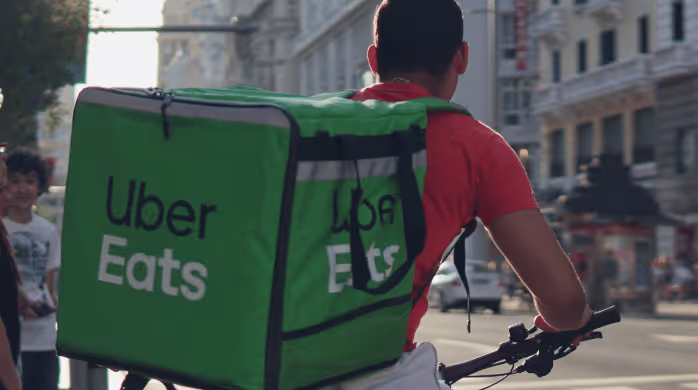
How to Make $1,000 a Week With Uber Eats in 2026 (Tips + Hourly Data)
In this blog, we'll explore the strategies and techniques that can show you how to earn $1000 per week as an Uber Eats delivery driver. We'll cover everything from optimizing your delivery zones and schedules to maximizing your tips and customer satisfaction. Whether you're a seasoned Uber Eats driver or just starting out, this guide will provide you with the insights and actionable steps to take your Uber Eats driver earnings to the next level.
Becoming an Uber Eats delivery partner can be a lucrative opportunity, especially if you're able to consistently earn $1000 a week. By understanding the platform, optimizing your delivery strategies, and focusing on customer satisfaction, you can maximize your earnings and turn Uber Eats into a reliable source of income.
We’ll cover the following topics to provide coaching and ideas to help you push your earnings up to that $1000 per week level:
What do Uber Eats drivers do?
Uber Eats drivers deliver prepared food most of the time, but they also might shop for and deliver goods from convenience outlets and grocery stores. The job is pretty simple. You get a request for an order, you drive to the restaurant or store to pick it up, and then you deliver it to the customer. If you already drive for Uber, you can choose to take orders for Uber Eats delivery any time.
If you’re not an Uber Eats driver yet, it’s pretty easy to become one. This Gridwise post tells you what you need to do if you want to sign up and start making money Uber Eats style. Many rideshare drivers welcome the chance to deliver food rather than people. This article from Nerdwallet covers the Uber Eats gig from that angle.
There are some sweet advantages to working with Uber Eats. In lots of cities you don’t even need to have a car. You can use a bike or a scooter, or even walk, to make your rounds. If you do use a car, Uber Eats’ requirements are a lot easier to meet than they are for Uber rideshare driving.
You also have a lot of flexibility. You can shop and deliver convenience items and groceries, but you don’t have to. And, like most driving gigs, you can choose your own hours, and map out the locations where you want to work.
Use Gridwise features When to Drive and Where to Drive to help you figure out what work hours and which specific areas will be the most profitable for you. Real data from real delivery people will show you earning patterns for drivers in your town.
How much can you earn doing Uber Eats?
The honest answer to this question is: basically, as much as you want! It all depends on how many hours you put in and how strategic you are about your gig. Earnings vary from one area to another, as this article from Entrepreneur points out. To give you a baseline, let’s look at the earnings of Uber Eats drivers who tracked their earnings with Gridwise.
Remember that these numbers show us only average earnings. To make $1,000 a week with Uber Eats, you’re going to have to be better than average, and we’ll show you how. For now, though, it’s good to have these figures so you get a ballpark number of where to start.
How much do Uber Eats drivers make?
Gridwise data tell us the following:
- Monthly earnings average around $444.00 per month.
- Gross earnings per trip are between $9.00 and $10.00.
- Tips make up about 50% of most Uber Eats drivers’ income, which amounts to about $225.00 per month.
Is Uber Eats good money? It can be. While there are other gigs that pay more per trip, if you drive for Uber Eats, you’ll always be pretty busy.
https://datawrapper.dwcdn.net/HPAz8/3
You can also see that, unlike many other gigs, tips play a huge role in Uber Eats earnings.

With these numbers as a baseline, what can we say about how to earn $1,000 a week with Uber Eats? As we said in the introduction, it’s going to be a hustle, but it’s really possible. To figure out how to make the most money with Uber Eats, let’s start by looking at how many trips these “average” drivers made each month.
We know that average gross earnings were $444.00 per month, and drivers got around $10.00 per trip. That means they took 44 or 45 trips per month, which breaks down to 11 trips per week. That’s not a lot of Uber Eats delivery, is it?
The fact that Uber Eats drivers averaged so few trips shows us that many drivers use more than one app at the same time. This is called multi-apping, and you can learn more about it in this Gridwise post. If you want to answer the question of how much you can make with Uber Eats, then you need to stick with the app and keep plugging away at those orders. You also need solid strategies, as well as some inside tips and tricks.
How to make the most money on Uber Eats: Delivery driving tactics
Getting to that $1,000 a week with Uber Eats isn’t so hard when you remember that the drivers we saw making about $111 a week were only taking around 11 trips in the same time period. That’s not much at all! If you work the Uber Eats app like a boss, you’ll soon have many more trips than that, easily reaching the number needed to get you to $1,000 a week. Now, let’s get to some tactics you’ll need to make that kind of bank.
- Stay with the Uber Eats app, and track your earnings. Gridwise can easily do that for you. Simply sync your Uber Eats app with Gridwise, and you’ll be able to see how much you’ve earned with Uber Eats, what times were most profitable, and your average hourly pay. Racking up trips with Uber Eats has other benefits, including perks and bonuses that are awarded to top drivers.
- Leverage surge pricing and promotions. Surge pricing is applied when there is a lot of demand. When surge pricing is in effect, many of the trips you make will pay more than usual. Promotions are offered to drivers who complete a given number of trips in a certain time period. High traffic volume days, nights, and times give you these chances to get extra earnings. Challenging yourself to complete the right number of trips for promotions will add to the number of trips you can count on for big bucks, too. Learn more about Uber Eats surge pay, boosts, and promotions in this Gridwise blog post.
- Say yes to doubling up on orders. With Uber Eats, you can get back-to-back orders or receive batched orders. Back-to-back orders happen when you receive a new request while you’re on the way to deliver an original order. The Uber Eats app routes these trips automatically, so you won’t be sent out of your way.
Batched orders are Uber Eats’ way of bundling together orders from either the same restaurant, or two nearby eating establishments. You get money, and trip count credit, for all the orders you complete, plus customer tips, without having to make a bunch of separate trips.
- Turn on the charm and get bigger tips. Being nice really is part of the Uber Eats driver’s job, and getting tips is one way people who drive for Uber Eats make money beyond their basic pay.. Bring along those extra napkins and condiments, use equipment that keeps food and drinks at the right temperatures and prevents spilling, and consider your customers’ needs. If you deliver groceries, be extra careful with delicate items such as bread and eggs.
And, most important, follow your customers’ directions, and stay in communication with them if you are going to be delayed, or if you have questions about their order. This Gridwise post will tell how to get bigger tips as a delivery driver.
- Use even more charm to keep your ratings high. As an Uber Eats driver, you will be rated by the restaurant or store where you pick up the orders as well as the customers who are waiting for the deliveries. This two-way rating system is designed to keep you on your toes, so Uber can keep people satisfied with your service. Don’t worry, you get to rate them, too.
There’s another reason why your rating as a driver is important. It not only keeps you in good standing with Uber; it helps you to qualify for the Uber Eats Pro incentive program. To learn more about Uber Eats Pro, and what it takes to earn perks such as preferred services, discounts, and deals, check out this Gridwise blog post.
Smart business moves that seal the deal
Now that you know how to gobble up the deliveries you need to make $1,000 a week with Uber Eats, it’s going to be a breeze to get there. Let’s make it even easier, with business moves that boost your earnings and shrink your expenses. If you use these, it will also be easy to say yes when people ask, “Can you make good money with Uber Eats?”
Minimize expenses. Avoid racking up big fast-food bills by bringing your own food and beverages. You might not think you’re hungry when you first start your Uber Eats run, but once the aroma of pepperoni pizza, premium cheeseburgers, and piping hot fries start wafting through your car, that might change. Bring a sandwich or other healthy food from home, and buy bottled water in bulk to save tons of cash compared to what it costs to buy single servings.
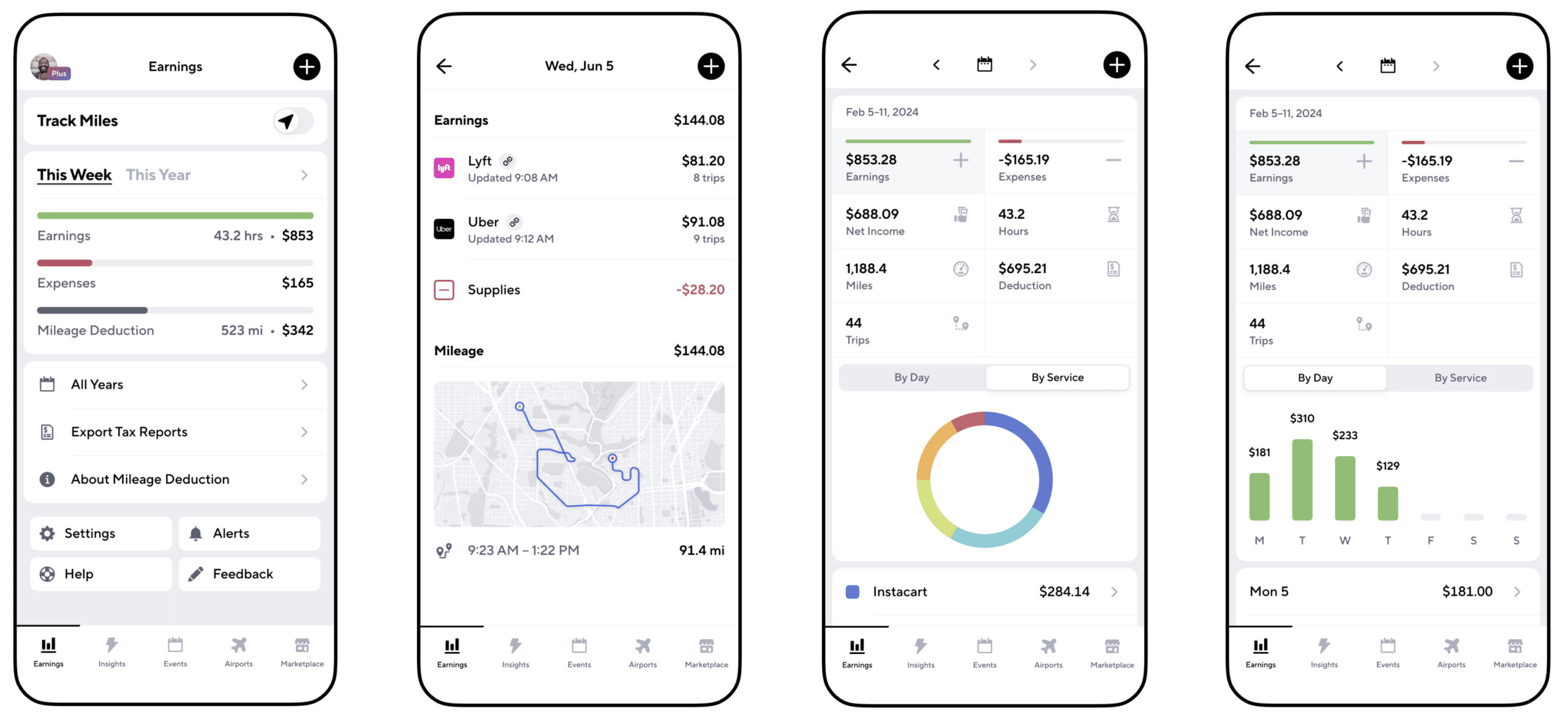
Maximize tax deductions. Another way to minimize your expenses is to maximize your tax deductions. Start by tracking mileage with Gridwise.
Gridwise App
Gridwise captures every deductible mile you drive, including the distance you cover between the trips your driving app records. Know what expenses you can deduct, and put them to work for you when tax time comes. Learn more about tax deduction strategies in the Gridwise Tax Guide for drivers.
Boost earnings with referrals
As an independent contractor, you’re probably looking for ways to make even more money than you can with Uber Eats. And most gig workers like you enjoy getting passive income. With Uber Eats, there’s a really easy way to do that, referrals!
All you need to do is find friends and encourage them to deliver for Uber Eats. If they make a certain number of deliveries within a specified time, you will get paid for doing nothing more than having them sign up under your referral code! Rates of pay vary by city, so check your Uber Eats app to find out what the current deal might be, and learn more about the referral program on the Uber Eats website.
Also remember: “friends” don’t have to be your best buds. Many delivery people carry cards with a QR code linking to their referral information, so just about anyone you encounter can join Uber Eats and boost your earnings. You could meet a source of passive income at the gas station, on social media, or at your high school reunion. The more you hustle, the more there is to gain, right?
Master the art of self-employment
As an Uber Eats driver, you’re an independent contractor. That means the company isn’t going to withhold your taxes, provide insurance, keep track of your earnings, or tell you about tax deductions. You’ll have to do all these things for yourself.
If you want to maximize your tax advantages, open an official business entity. You can incorporate (create a corporation) or you can work as a limited liability corporation (LLC). You can also work with a DBA (Doing Business As) arrangement, but the corporation or LLC will do a better job of protecting you from liability.
Establishing a corporation or LLC offers better tax advantages than being a sole proprietor. For instance, if you simply collect your earnings into your private account, you’ll be charged self-employment taxes in most states. And paying extra taxes is something we all want to avoid, within legal limits, as much as possible.
Every Uber Eats driver needs to learn about self-employment, and there are some great resources you can review. Check out the CareerOneStop website about self employment which will help explain the basics. You can also check with a professional tax accountant, or look other websites to learn more about actually creating a business.
Scope out your market
Look at the area around you to see where you’re likely to get the most deliveries. Where are all the restaurants? Where might people be more inclined to order deliveries? What hours do you want to drive? What activities might be going on around those times? Think about late-night and after-school times as well as breakfast, lunch, and dinner times.
Be realistic about the potential for your area and aware of new services opening up. For example, in New York, there is already a tab on the Uber Eats app that allows customers to order groceries. In our article about the best food delivery service to work for you’ll see that Uber Eats stacks up well against other delivery companies, mainly because of its potential for expanded opportunities for drivers to earn.
So, is Uber Eats good money? As we said, it isn’t an automatic guarantee that everyone will make $1,000 a week with Uber Eats. Trying out the suggestions we give you here, though, should put you on the right track! Go out there and start stacking up those orders and raking in some impressive earnings!
Get more inside information on Uber Eats in these posts from the Gridwise blog:
- The delivery driver guide: Using the Uber Eats app
- Everything you need to know about driving for Uber Eats
- Uber Eats Pro: What drivers need to know
- Looking for a different gig, part-time or full time job? Check out the Gridwise Job board.
Uber Eats FAQ
How does the Uber Eats platform work for drivers?
Uber Eats is a food delivery service that connects customers with local restaurants and independent delivery partners. As an Uber Eats driver, you'll receive notifications of nearby delivery requests, which you can accept and complete. The platform provides flexibility, allowing you to work on your own schedule and earn money based on the number of deliveries you complete.
What are the requirements to become an Uber Eats delivery partner?
To become an Uber Eats delivery partner, you'll need to meet certain requirements, such as having a valid driver's license, a registered vehicle, and passing a background check.
How can I choose the right delivery zone to maximize my earnings?
Selecting the right delivery zone can significantly impact your earnings, as some areas may have higher demand and better-paying orders. It's important to research and identify the zones in your area that tend to have the most consistent and lucrative delivery opportunities.
How can I take advantage of peak delivery hours and surge pricing?
Understanding peak delivery hours, such as mealtimes and weekends, and taking advantage of surge pricing can boost your earnings. Be aware of when demand is highest in your area and adjust your schedule accordingly to capitalize on these peak periods.
What are some tips for maximizing tips and customer satisfaction?
Providing excellent customer service and going the extra mile to ensure a positive experience can lead to more tips and repeat business. Prioritize communication, timeliness, and attention to detail to keep your customers happy and satisfied.
How can I set realistic weekly goals to reach my $1000 target?
To make $1000 a week with Uber Eats, it's essential to set realistic weekly goals and track your earnings and expenses. Start by determining your target earnings and breaking it down into achievable daily or weekly goals. This will help you stay on track and make adjustments as needed.
What are some strategies for efficient route planning and navigation?
Effective route planning and navigation can save you time and fuel, allowing you to complete more deliveries. Utilize mapping apps and take advantage of features like real-time traffic updates and turn-by-turn directions to find the quickest routes.
How can I balance my Uber Eats deliveries with other commitments?
Develop a schedule that allows you to capitalize on peak delivery hours while still maintaining a healthy work-life balance. Consider using tools like calendar apps to plan your availability and track your hours to ensure you're maximizing your earning potential without sacrificing your personal life.
What are the key considerations for maintaining my vehicle as an Uber Eats driver?
Keeping your car clean and well-maintained is crucial for maximizing your Uber Eats earnings. Regularly scheduled oil changes, tire rotations, and other preventive maintenance can help extend the life of your vehicle and minimize downtime. Additionally, budgeting for vehicle-related expenses, such as fuel, insurance, and repairs, will ensure you're accounting for these costs and maximizing your net earnings.
What are the tax obligations and legal considerations for Uber Eats drivers?
As an Uber Eats delivery driver, it's essential to understand the tax obligations and legal considerations that come with being an independent contractor. This includes properly reporting your earnings, deducting eligible business expenses, and making quarterly estimated tax payments. Additionally, you'll need to ensure you have the appropriate insurance coverage, such as personal auto insurance and possibly commercial auto insurance, to protect yourself and your vehicle while on the road making deliveries.

The Gridwise Job Board: Find Your Ideal Job or Gig Work
Gridwise is an essential assistant app created by gig workers for gig workers. Our mission is to support those engaged in gig work in every way possible. We understand how challenging it can be to deal with income instability, a lack of benefits, and job insecurity that often comes with gig work. The Gridwise app tracks and organizes earnings and expenses, and offers a wide array of discounts, deals, and services that make the lives of independent contractors easier and more rewarding.
We firmly believe it’s possible to make a viable living and create a gig experience that offers flexible hours, variety, and excitement. With issues such as consistent earnings and job security in mind, Gridwise is proud to offer a centralized platform that shows you how to find gig work and secure reliable opportunities. We’re proud to introduce the Gridwise Job Board.
The Gridwise Job Board: Key features
Because Gridwise is dedicated to serving the gig worker community, we’ve filled the Gridwise Job Board with useful features that won’t waste your precious time.
- Comprehensive listings. Find part-time, full-time, temporary, and per-task work. Drive or deliver with your vehicle, utilize an employer’s vehicle, or even find non-driving gig work.
- User-friendly interface. Find the jobs that are right for you with a tap of your screen.
- Verified opportunities. We vet the jobs before they are listed to ensure you’re getting high-quality job postings.
How to get more gig work, seasonal, part-time or full-time jobs with the Gridwise Job Board
Looking specifically for “gig work apps” or “gig jobs near me?” You’re in luck. Our filters and search functions send you directly to the listings you seek.
Here’s how it works.
- Access the Job Board via the Gridwise website.
- Search for jobs by type, location, and more.
- Select the job that interests you, and read all about it.
- Scroll through the description, and if it appeals to you, click “Apply for job.”
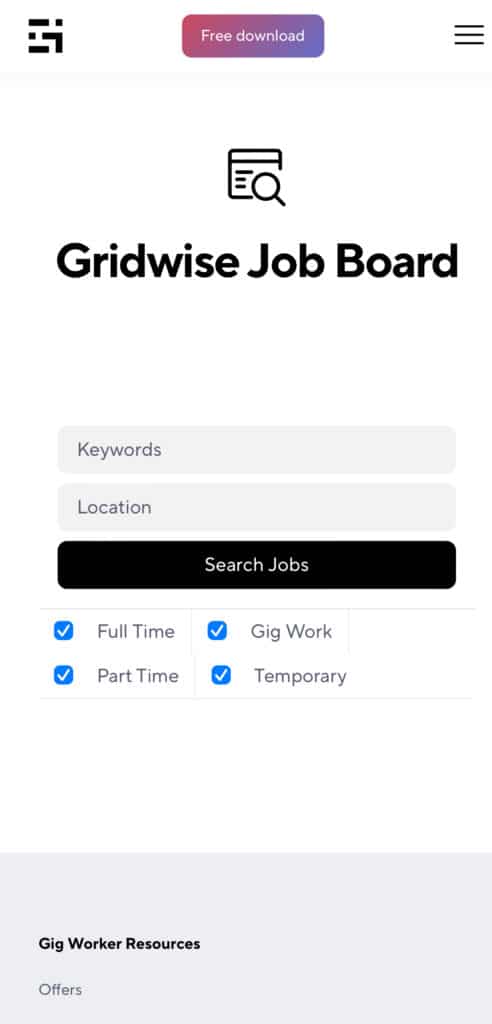
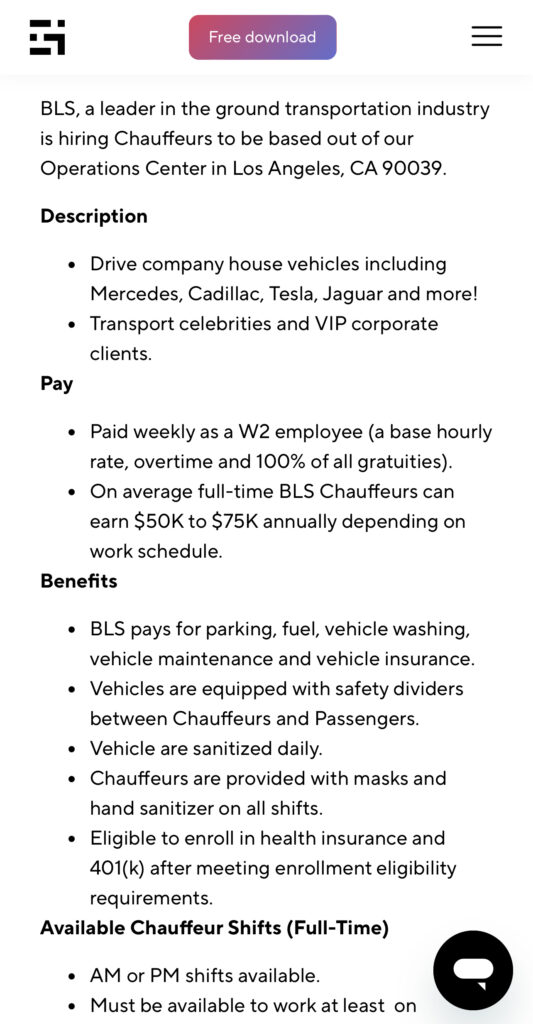
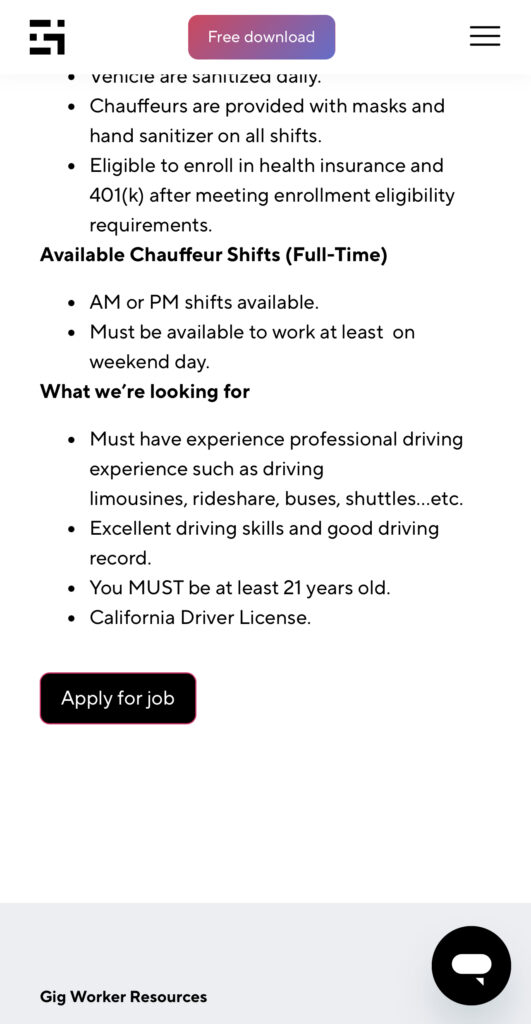
Many types of jobs are available. Adjust the search filter to see the full variety of opportunities that will let you cash in. Deliver food, set up catering, do rideshare driving, get paid for doing package delivery, and much more. You’ll find short-term gigs, long-term contracts, and part-time positions.
Perks of the Gridwise Job Board for gig workers
Gig workers who know how to make extra money will appreciate how the Gridwise Job Board lets you multiply your chances of bringing in big earnings. Here’s how:
- Increased stability. Use the Gridwise Job Board to find part-time or permanent jobs in addition to the part-time gigs you already have. Always keep a steady stream of earning opportunities flowing toward you.
- Flexibility and autonomy. Choose jobs that fit your schedule, work around other jobs and family duties, and still leave room for some fun in your life. Discover side hustles to supplement your full-time job, permanently or just for the season.
- Skill development. Find part-time work that lets you use a skill you already have, or try your hand at something new. It’s a smart way to develop a portfolio to showcase what you can do, or even to find permanent employment.
Get Gridwise and stay up to date on the Gridwise Job Board
Gig workers need plenty of information and assistance, and Gridwise is here to give it to you. Download the app and get essential features such as
- seamless earnings tracking
- mileage tracking
- expense recording, including notes
- low-cost and no-cost insurance benefits
- access to affordable medical, dental, vision, mental health, and alternative care
- professional services including legal and financial help
- deals and discounts
- weather, events, and traffic reports
- inside information on where and when to drive
More to know about gig work:

5 Best Mileage Trackers For Gig Drivers
Many drivers ask, “Do I really need a mileage tracking app?” The answer is simple: only if you want to have an accurate count of all the miles you can legally deduct from your taxable income! You might think your rideshare or delivery driving app has got you covered. After all, they do quite a good job of logging the miles you drive while you’re on a trip or delivery. But, if you want to have the best app to track mileage for Uber, Lyft, Doordash, Instacart, or the other apps you may use, you need more. Why is that?
Without a separate tracker, you’re missing the miles you drive in between pings. Did you realize that all the miles you drive, from the moment you begin your shift until it’s over (as long as you don’t drive several miles on a break to hang with your friends), are tax deductible! That means you need something besides your driving app to keep an accurate count of your travels. Read this Gridwise post to see how important it is to keep track of every deductible mile.
You won’t be surprised to hear that there’s an app for tracking miles. In fact, there are several of them. Here, we’re going to tell you about five top mileage tracking apps, and help you figure out which one is best for you.
Before we get to the list and identify the best mileage tracker app, let’s clarify what exactly a mileage tracking app is. According to G2.com’s technology glossary, mileage tracking is done for the purpose of keeping a log of mileage that is either reimbursable or tax deductible.
And yes, of course you can track your miles simply by taking readings on your odometer. But are you really prepared to account for how many miles you drove for personal reasons and subtract them from the total to get your business mileage? Even if you can remember all that and do the arithmetic, if you want an accurate reading of the miles you drive for business, and can therefore deduct, a mileage tracking app will save you a lot of trouble and prevent you from making costly errors.
Plus, as a gig driver, you have specific needs when it comes to a mileage tracker. Ideally, you’d be able to handle mileage tracking and several other functions all in one app. It can be maddening enough to deal with driving apps, particularly if you’re an avid multi-apper. You would want your mileage tracker app to help you keep account of other aspects of your business, including income, expenses, and inside information about the art of gig driving.
Not all mileage apps are equal, to be sure! Let’s look at five of the best apps to track mileage and figure out which is the best app to track mileage with Uber and Lyft, or what mileage tracker app is best for DoorDash.
1. Zoho Expense
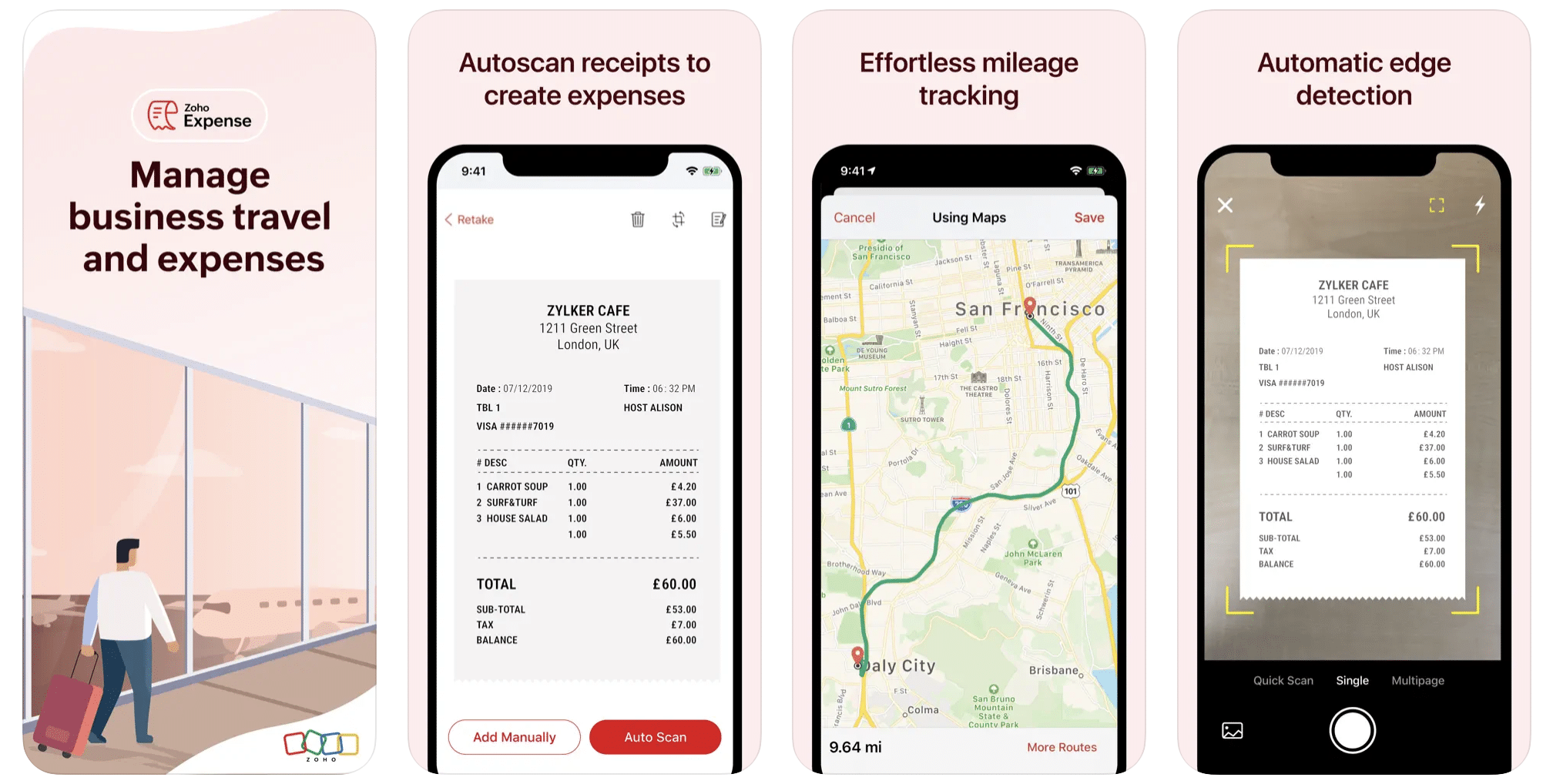
First up is Zoho Expense, which does exactly what its name says. This app is designed to allow companies to give employees a uniform way to create and submit expense reports. It can be used by individuals, including gig drivers, as well.
It includes a mileage tracker, as well as features that let you track other deductible expenses, including the ability to scan and record receipts.
Available on Android and Apple: Yes
Ratings: 4.8 stars on App Store, 4.7 stars on Google Play
Free Version: Yes
Subscription price: $3 per month, billed annually
Created specifically for gig drivers: No
2. Quickbooks Online
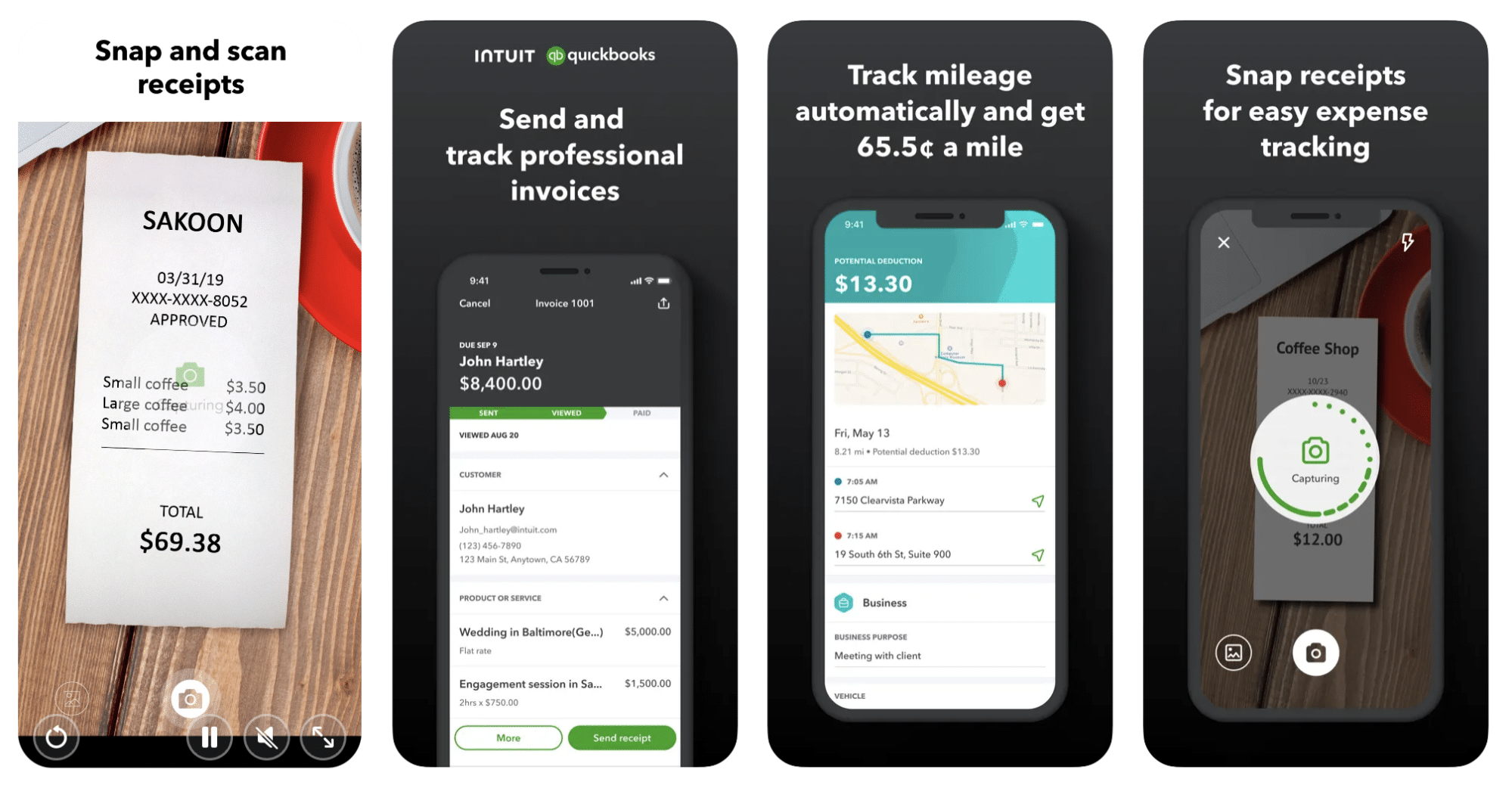
Quickbooks Online is a cloud-based app that allows you to track your mileage, earnings, and expenses. The information you enter can then be used to generate various reports that prepare you for tax time. It also allows you to create graphs that illustrate your cash flow, and includes a receipt scanner so you can instantly record deductible expenses. Quickbooks is popular, highly reliable, and designed mainly to help people keep track of their small businesses.
Available on Android and Apple: Yes
Ratings: 4.7 stars on App Store, 4.4 stars on Google Play
Free version: 30-day free trial
Subscription price: $15 per month for basic version if purchased for 3 months or more
Created specifically for gig drivers: No
Source: quickbooks.intuit.com
3. Shoeboxed
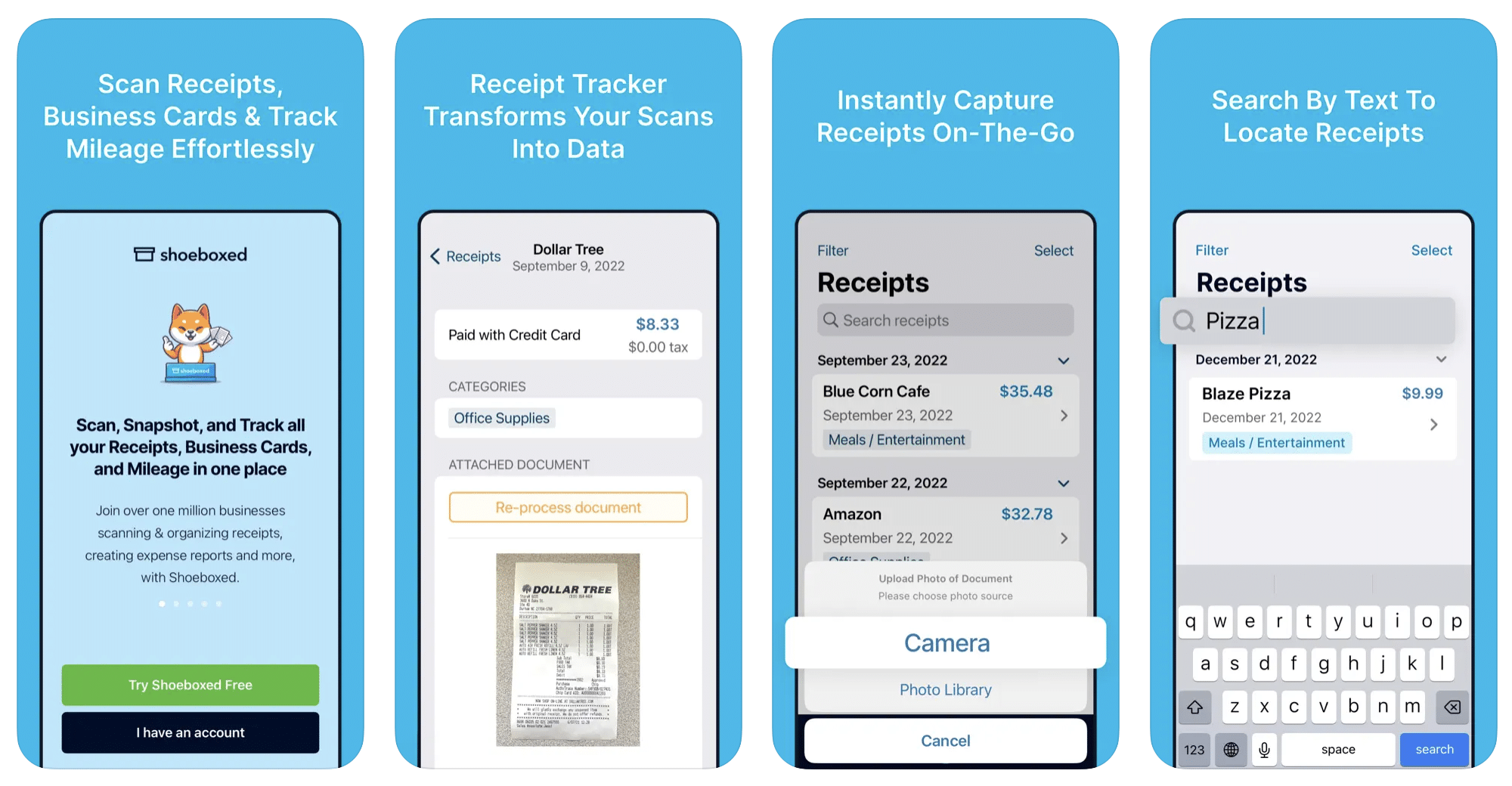
Shoeboxed started in 2007 as a service for scanning paper receipts into digital form. Now the app offers a free mileage tracker and has enabled users to scan receipts directly. It touts itself as the best mileage tracking app for DoorDash, but there are some elements missing that Dashers might like to have. While it provides features that record your expenses and prepare you for tax season, it doesn’t automatically track your earnings. The mileage tracker has a system where you can drop pins along your routes to make the tracking more precise, identifying those legs of a trip that you make for business purposes. The mileage tracker is “free” once you sign up for the basic version.
Available on Android and Apple: Yes
Ratings: 4.5 stars on App Store, 2.3 stars on Google Play
Free version: No
Subscription price: $18 per month for basic version
Created specifically for gig drivers: No
Source: blog.shoeboxed.com
4. Stride
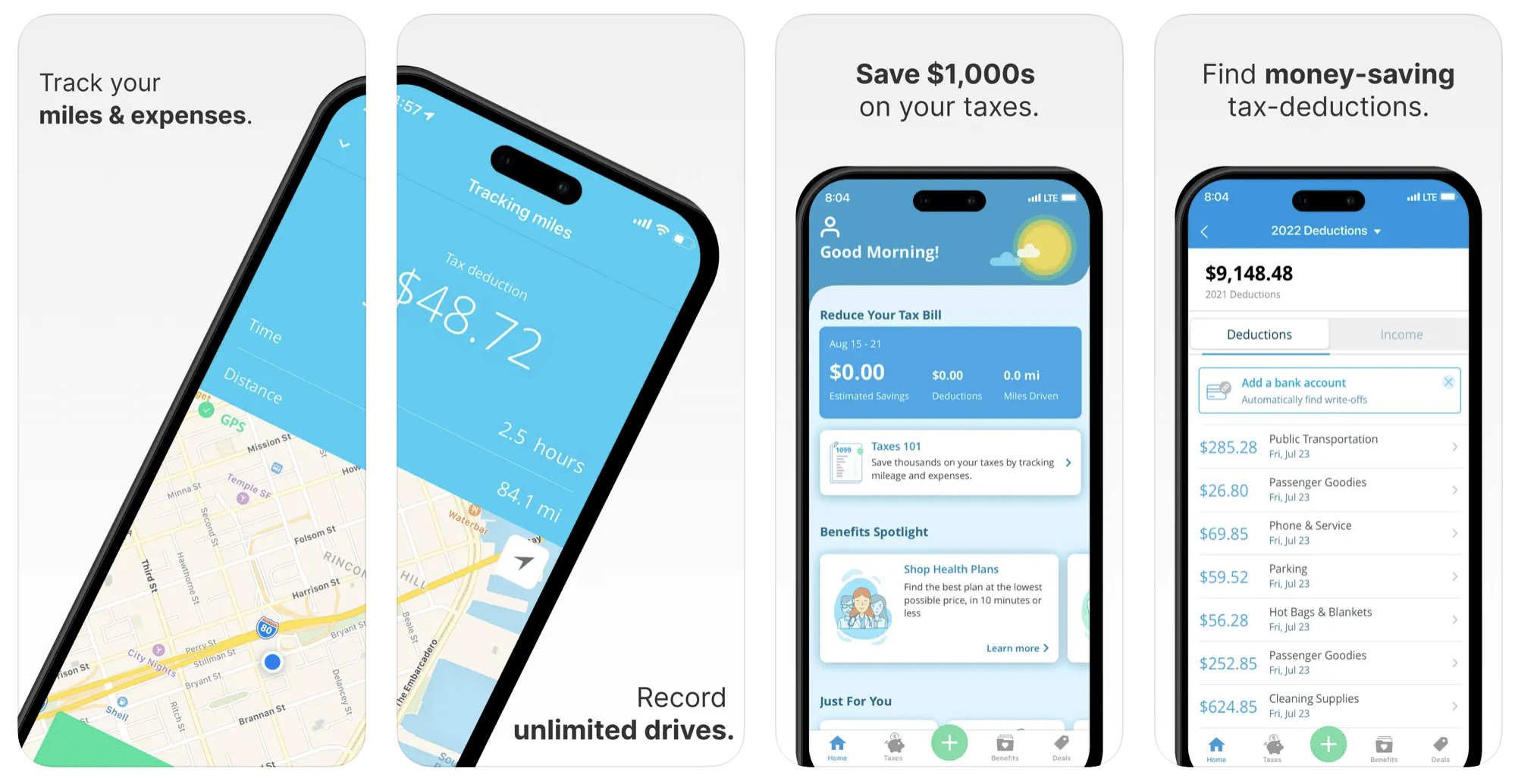
This free mileage tracker does a fair job of keeping track of the distances you rack up while gig driving, but it doesn’t automatically track earnings. It can be a big help, though, in tracking your expenses. You can link Stride to your bank account, and it will automatically scan your expenses to identify items you can potentially deduct. The app is totally free. This could make it the best free mileage tracker app, but there is a small price to pay. The app will persistently push you to consider various insurance plans that they are affiliated with. If you don’t mind that, this is a solid mileage tracker, even if it doesn’t track your earnings.
Available on Android and Apple: Yes
Ratings: 4.8 stars on App Store, 4.6 stars on Google Play
Free version: Yes
Subscription price: None. The app is free.
Created specifically for gig drivers: No
5. Gridwise
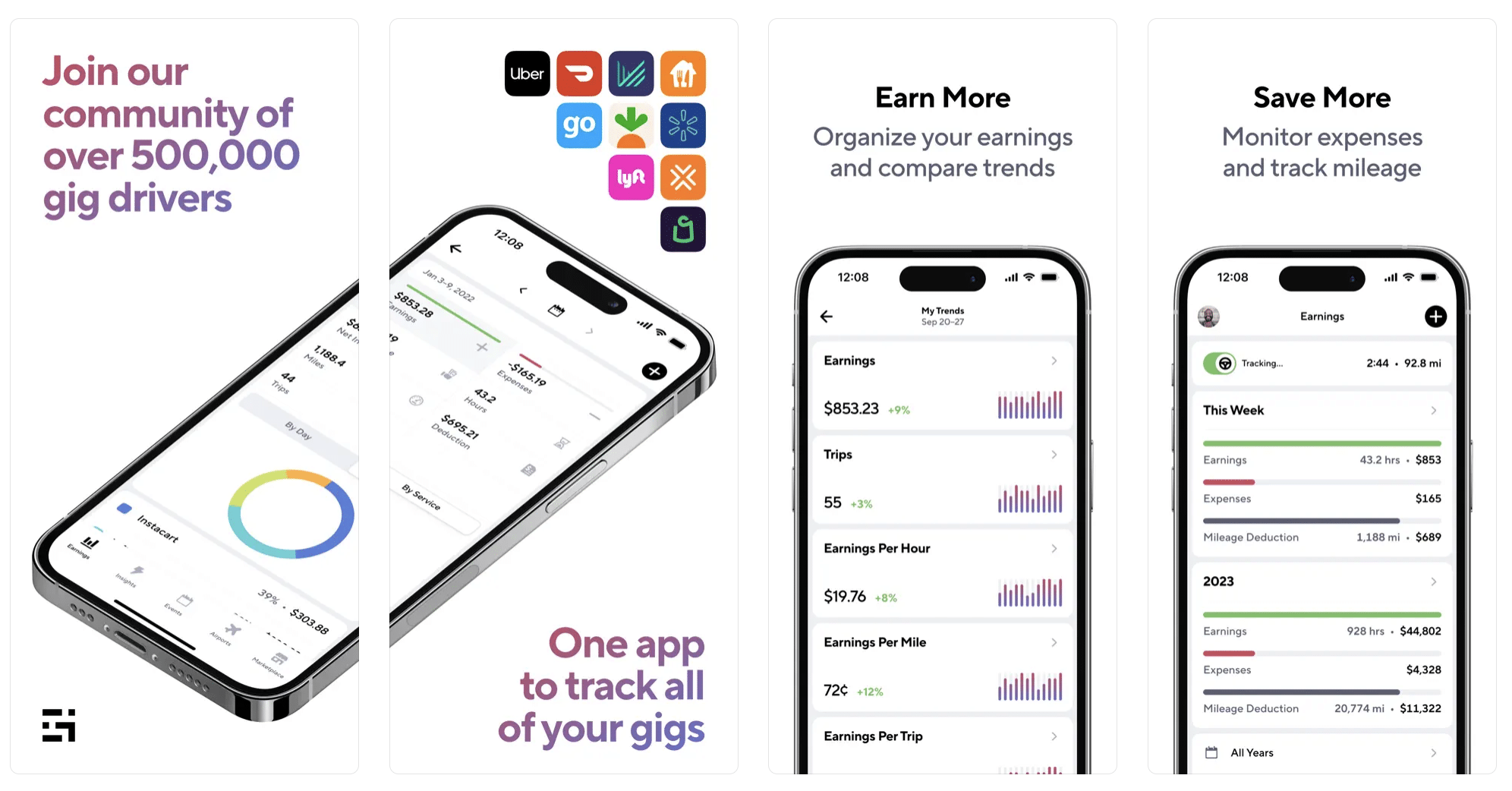
Gridwise has a free mileage tracker and free features that record your income and expenses. It gives you access to insurance and benefits, as well as insights about the best times and places to make the most money while gig driving. The Gridwise mileage tracker captures all the miles you drive while you’re on your driving shift, and it can be used if you have other trips you need to make which qualify as business travel.
Drivers love it because it is geared toward the needs of rideshare and delivery workers, providing free information about airport departures and arrivals, event start and let out times, weather, traffic, and more. The Gridwise Plus subscription adds value by providing additional insights and reports, discounts on benefits, the ability to export data in .csv format,, and more.
Available on Android and Apple: Yes
Ratings: 4.9 stars on App Store, 4.6 stars on Google Play
Free version: Yes
Subscription price: $9.95 per month for Gridwise Plus, or $95.99 per year (a $23.41 savings)
Created specifically for gig drivers: Yes!
What is the best mileage tracking app?
Now that we’ve checked them all out, we’re positive about the answer to that. Hands down, it’s Gridwise. Are we biased? You bet we are! But drivers love it too. Gridwise is the best mileage tracker app, and so much more. So many of the features are free, and the subscription to Gridwise Plus will pay for itself with additional insights to boost your earnings and deeper discounts on products and services.
Most important, Gridwise is designed specifically for gig drivers by experts who were once gig drivers themselves! Knowing what gig drivers need is a crucial step in creating an app that rideshare and delivery drivers can really use! Here are a few of the features, besides mileage tracking:
- seamless earnings tracking
- automatic, on/off toggle and manual mileage tracking
- mileage categorization
- airport, traffic, weather, and events information
- insights into where to drive and when to drive
- reports showing earnings across the platforms you use
- discounts on countless products and services for drivers
- additional resources for finding side gigs
- an informative and comprehensive blog
- affordable benefits, including insurance, medical, dental, and alternative practitioner discounts
- a community of drivers just like you
Don’t settle for just any app. Get the best mileage tracker, and so much more, from Gridwise!
3 Steps to Saving for Retirement as a Rideshare or Delivery Driver
“Plan ahead” is a good motto for that thing they call “adulting.” Sure, as a gig worker, you might find it hard to be flush enough to pay the bills each month, so putting hard-earned cash into a retirement fund might seem like a luxury you can’t afford to think about until the far-flung future comes to pass. Don’t be fooled. The truth is, especially as an independent contractor, you need to start planning, and saving, for retirement as soon as possible.
Before you let a wave of overwhelm knock you backwards, read this post to the end. We'll show you a three-step process that helps you save for retirement so you can start stashing cash long before it’s time to hang up your car key once and for all. Here’s what we’ll discuss:
- Is it even possible for gig workers to retire?
- What a gig driver retirement plan might look like
- Your three-step plan
Is it even possible for gig workers to retire?
As a gig worker, it’s hard to picture yourself, feet up on a chaise lounge, cold drink in hand, musing on just what you’ll do with your days now that you’ve retired from your long-time job. Why? Well, as independent contractors, gig workers don’t get the cushy benefits packages that come with working for a corporation.
Most companies contribute half of an employee’s Social Security tax and also offer retirement plans. There are pensions for some workers, too. Most of the time, though, employers will match the savings their workers put into a 401(k) or other retirement plan, and after a few decades of investment, there can be a tidy sum waiting for the newly minted retiree.
Sadly, there’s no guarantee any such thing will be waiting for gig workers. Companies talk a lot about gig driver benefits, but so far, in terms of saving for retirement, gig workers are still pretty much on their own.
This situation reveals the downside of what it means to be “independent” – but don’t despair. You’re not the only one who’s grappling with ways to create plans for your retirement. A December 2021 Pew research survey found that most 1099 workers don’t have a retirement plan. Even if they had the money left over to put aside, they found another obstacle: a lack of access to retirement savings plans.
And, when you look at how much wages fluctuate for gig drivers, the situation gets even more complicated. How can you project an amount you’ll put into a retirement plan when it’s often impossible to know how much you’ll make in a given week or month? This often stands in a gig worker’s way of regularly scheduled saving.
Often, when you set up a savings program, you could be looking at automatic payments coming out of your account that you can’t always afford. That’s enough to scare even the most retirement-minded gig worker away, but it shouldn’t be.
Obviously, all gig workers, at some point, will reach retirement age, and will need to stop working. If we want to be able to do this without relying on the goodwill of our relatives or the state (and we don’t mean winning the lottery), it will be up to us to put together a retirement plan for ourselves. How can this be done? Let’s look at what you might be left with when it’s time to retire, and how you might formulate a plan.
What a gig driver retirement plan might look like
No matter what you do, it won’t be like you’ll be left with nothing. The one thing you can count on as part of your 1099 benefits (if you play the game correctly), is Social Security. If you pay into Social Security, there will be some benefits in the pot at the other side of that retirement rainbow – but don’t get too excited. The amount of money you ultimately get from Social Security will probably fail to support even a very modest lifestyle.
Still, you’ll want to make sure you collect as much from Social Security as you can. To do this, you must file and pay self-employment tax. Although you have no employer to pay the other half of that tax, there are deductions that let you balance your payment so it isn’t too much different from what you’d pay as an employee of a company.
You’ll also get work credits for Medicare when you file self-employment taxes. That happens, of course, as a result of paying a tax for Medicare, so be prepared for that, too. Another thing: Be aware that your gig company won’t always send you the forms or information that’s required. See this article from the Social Security Administration to learn about all the forms and procedures you’ll need to successfully pay self-employment tax.
The other necessary component of a gig driver’s retirement plan is a solid retirement account. There are no real 1099 benefits beyond Social Security, at least not under the umbrella of the average gig company. You’ll have to find a way to open an Individual Retirement Account of some kind. Many drivers favor the Roth IRA because it’s easier to withdraw money for emergencies.
Follow this link to learn more about the varieties of retirement fund options available for 1099 workers. The different types have complex rules about taxation on withdrawals and maximum annual contributions. It can be a lot for anyone, even the cleverest gig driver, to contemplate without help, so it’s wise to seek informed advice.
It wouldn’t be fair to say that the gig companies don’t do anything toward helping their workers plan for retirement. In California, since Prop 22 went into effect, the companies have offered to do more for drivers. Elsewhere, there are options for an Uber 401(k) and a Lyft 401(k), both of which give you access to a robo advisor to help you choose the right plan with a third-party company.
There’s also a DoorDash 401(k) of sorts. It’s known as CalSavers and is offered by the State of California, but you don’t have to be a Cali resident to qualify. The program is available to Dashers in all 50 states. DoorDash also offers an information source to help drivers with saving and investing in preparation for retirement. The motion toward better conditions for gig workers might someday bring us Uber benefits and DoorDash benefits that go beyond extra perks on the app or waivers of food delivery charges.
Still, there’s no contribution offered yet. Working for these and other gig companies leaves drivers to fend for themselves. So, let’s look now to a more concrete kind of plan you can start to put together now, years and maybe even decades before you ultimately plan to retire.
Your 3-step plan
Now you have some idea of what your retirement savings needs to look like. You know you have to start saving. But … that’s not so easy. Drivers have expenses such as car repairs, fuel, and extra insurance, on top of the usual items such as housing, utilities, taxes, and food. Because you don’t have a big company pitching in, you have to know what you’re doing and stay on top of your game. Here’s how you can do that.
Step 1: Track every penny you earn
As you may have noticed while reviewing the material about Social Security taxes and the various options for IRAs, you’ll need to maximize your tax deductions so you can keep as much of your money as possible.
The best way to do this is to track your earnings and expenses with a state-of-the-art tracking tool such as Gridwise. As the world’s best gig driver assistant, Gridwise offers you the ability to sync your gig apps so all earnings and mileage are recorded on every shift. You can record every expense you incur manually. After that, simply tap a few times on your Gridwise app screen, and you’ll get all the facts and figures you need in graphs like these:
Keep track of all your larger, recurring expenses, too. These include car insurance, inspection, maintenance, registration, and other charges that you must pay to keep your vehicle legal and in running order. Plus, there are other big-ticket items such as income tax, health insurance, and life insurance you’ll have to think about. When you have all the details about your earnings and expenses at your fingertips, you’ll be able to calculate how much you can reasonably expect to save toward retirement.
Another way to maximize your earnings is by driving the routes that make you the most money. Gridwise has got everything you need to help you stay on track with your driving strategy. Use Where to Drive, When to Drive, and Compare Services to see where drivers are making the most, and once you find the right strategy for you, stick to it. Variety is nice when you’re driving and delivering, but when you’re trying to make more money, consistency is a better way to go.
Step 2: Cut costs where possible
Find affordable benefits
The cost of running your gig business is high enough, so adding on costs such as medical insurance, life insurance, and AD&D insurance can push it sky-high. You need benefits, that’s for sure, but you can’t have them take a super-sized bite out of your earnings.
Gridwise Dollar Benefits is a program developed to bring you what you’ve been hoping for: real and affordable gig worker benefits. You can get the quality insurance coverage you need at incredibly low rates. Taking just this one step toward cutting insurance costs can easily leave you with enough savings to invest in your retirement.
Cut back on larger, recurring expenses
There are even more ways to cut costs, and Gridwise has the help you need.
Fuel prices have gone through the roof, but Gridwise Gas keeps them within reach. Save up to 25 cents on every fill-up!
Gridwise + CarAdvise
Leaving your car with a mechanic for repairs or maintenance can be as nerve-wracking as waiting for a loved one to come out of surgery – you never know what might go wrong, and the costs can pile up. Gridwise + CarAdvise can get you amazing discounts off retail prices – as much as 40 percent! Now you can breathe easy while your automobile’s in for a once-over or emergency triage.
Research more deals, discounts, and tools to help gig drivers
There are plenty of discounts, deals, and giveaways around, and Gridwise has a whole bunch of them. Also, you can get gig driving tips and tricks from the Gridwise blog. Gridwise is always looking out for ways drivers can pump up their earnings, and that will help you get that extra money for your IRA.
Step 3: Be diligent with your savings
Now that you know how to get your earning – and adulting – acts together, you’re ready to take steps toward building that retirement fund. Some steps you can take include:
Use a banking app or another system that automatically deducts money from your earnings and sends it to a very safe place: your retirement fund. Research different banks, and find some that will assist you in choosing the right kind of 401(k).
Consistency is key to higher earnings, and it’s even more important when it comes to saving. If you keep contributing to your 401(k) or Roth IRA over time, your savings will grow, and a nice nest egg will be waiting for you when you’re ready to retire from your gig. Get ready to sip on that cold drink somewhere under the sun, someday.
Until then, make sure you plan ahead for that time, and all the time, with Gridwise.
Download the best rideshare and delivery assistant now!
Which Rideshare Service Should You Drive For
It’s that time of the year again … time to look back at 2021 driver earnings, and then crunch the numbers to determine the best rideshare service to work in 2022, Uber vs. Lyft.
Using the real data collected from hundreds of thousands of Gridwise drivers, we’ll cover these topics:
- Which pays more, Uber or Lyft?
- Which rideshare company has better incentives?
- Top ways to maximize your Uber or Lyft earnings
- And ultimately, what’s the best rideshare service to work for in 2022?
Let’s drive.
Which pays more, Uber or Lyft?
To help drivers understand which rideshare app pays the most, we took a look at 2021 monthly driver earnings for Uber and Lyft. While earnings fluctuate and depend on location, demand, and other factors, here are the big takeaways:
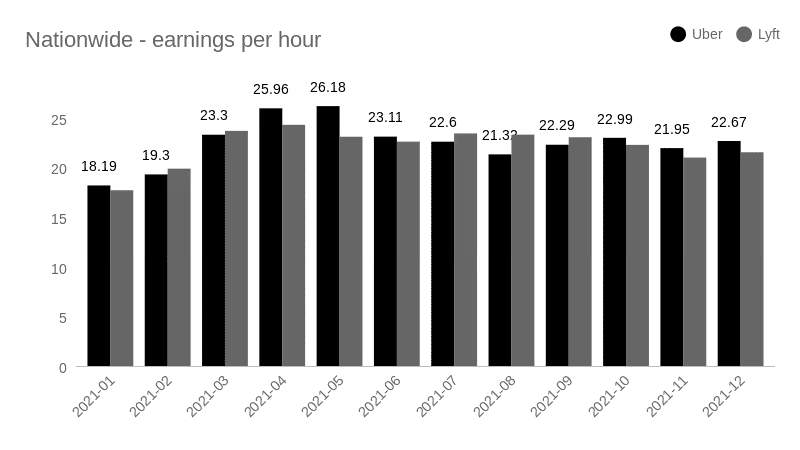
Hourly Uber and Lyft driver pay is almost equal. In 2021, Uber drivers made an average of $22.49/hour and Lyft drivers made an average of $22.16/hour.
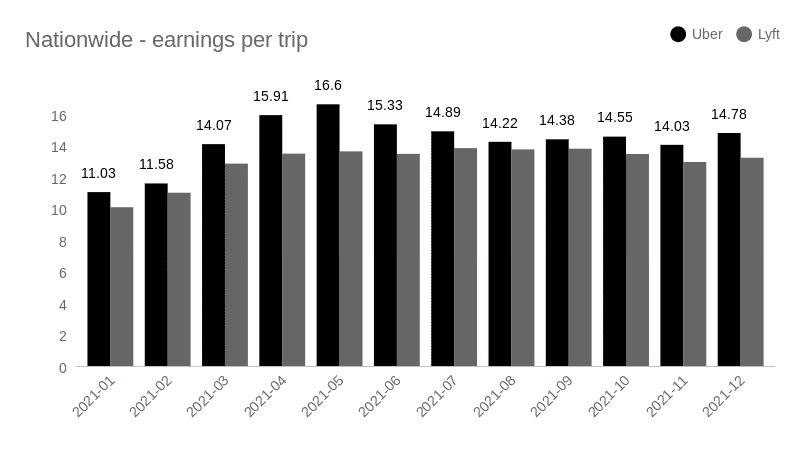
Uber drivers make more per trip than Lyft drivers. Uber drivers made an average of $14.28/trip while Lyft driver pay was $12.95/trip.
Both Uber and Lyft driver pay is highest in April. During April 2021, Uber drivers made $25.96/hour while Lyft drivers made $24.30/hour.
If we assume that Uber and Lyft driver earnings will remain relatively constant for 2022, both apps seem to pay about the same for full-time drivers. However, part-time rideshare drivers might see the highest per-hour earnings with Uber.
Here’s the complete data for the year.
Does Uber or Lyft have better incentives?
Both Uber and Lyft offer bonuses for new drivers as well as drivers who are active on the platform. In theory, these are a great way to bump up your earnings.
For example, Uber Quest allows drivers who complete 40 trips in a week to earn an additional $40. Uber’s Consecutive Trips incentive allows drivers to earn more when they work during peak times: A driver can earn an extra $6 for three trips in a row between 4 and 6 p.m.
Lyft offers similar incentives. Drivers can earn more for ride streaks or for driving in “Bonus Zones.”
But there seems to be a catch.
Many drivers report that incentives are mostly designed to bring new users onto the platform. If you’re already driving regularly, or plan to start, incentives won’t factor as heavily into your earnings.
What’s your experience with Uber or Lyft driver incentives? Let us know below or share it with our exclusive driver community!
What are the best ways to maximize your Lyft and Uber earnings?
If you’re looking at the average earnings and find yourself thinking that you could be making more, here are a few tips to maximize what you earn (whether you’re driving delivery or rideshare).
- Take advantage of driver discounts on gas and maintenance. There are a number of programs available to help you keep your vehicle running well without breaking the bank. It’s always wise to create a schedule for regular maintenance. This can help prevent major issues that will seriously cut into your earnings.
- Invest in your rider experience. Air fresheners, tablets, interior signs, and other small touches can make a big impact on your rider and lead to higher tips. Plus, your vehicle is your office while you’re on the road, so it’s worth creating a workspace that suits you.
- Track miles/earnings carefully – paper/spreadsheet isn’t always reliable if you forget to check the odometer.
Tax Tip: Tracking your mileage and other expenses you incur while driving can actually help you keep more of your earnings at tax time when you track them accurately. Use Gridwise Tax Help to stay on top of everything and make sure you keep more of the dollars you earn.
- Minimize small costs. Packing your own snacks and beverages might not seem like much, but those $3 gas station drinks add up quickly.
For a complete breakdown of Instacart vs. Shipt, read our recent blog post. And if you really want to find out which app is better for your business, always drive with Gridwise.
Gridwise automatically tracks Uber and Lyft driver earnings and shows you which one earns you more money in your area in real time. The Compare Services feature allows you to see across rideshare and delivery services to find out which drivers in your city are making the most.
So what’s the best rideshare for 2022?
Based on our driver data, Uber and Lyft driver earnings are pretty similar on average. But Uber has a slight advantage in hourly pay, and driver incentives don’t seem to factor in as much after the first few hundred miles.
Ultimately, it’s up to you and where, when, and how you want to drive that will lead you to find the best rideshare gig around. But you can count on Gridwise to help you do that by giving you the information you need.
On the HIGHLY unlikely chance you don’t have the Gridwise app already, download it now.

Case Study: A Strategic Approach to Sustainable Gig Driver Acquisition
“Gridwise was part of our support system through the pandemic and they helped us strategize from a product and driver acquisition perspective.”
- Nicki Martinez, Sr. Director of Driver Operations
Overview
Octopus Interactive is the industry leader in rideshare entertainment and advertising. They improve the rideshare experience for both riders and drivers by providing tablets that feature original games, prizes, informative content, and interactive video advertisements.
This is an incredibly valuable tool that helps drivers earn more income through cash rewards, extra tips, and higher ratings while giving advertisers an opportunity to engage a captive audience inside the vehicle.
Problem
“Driver acquisition cost and overall geographic reach were two areas we needed help with.” - Nicki Martinez, Sr. Director of Driver Operations
Octopus Interactive provides a great way for drivers to earn extra income by simply placing a free tablet in their vehicle, so it’s incredibly valuable for any driver. But the most engaged, active drivers are also the most valuable to Octopus, so they specifically need to target drivers who complete the most rideshare trips.
The team at Octopus Interactive had been leveraging traditional advertising channels such as facebook and word-of-mouth among drivers, but needed better economics at a nationwide scale.
Gridwise has been a key contributor to the driver acquisition funnel for Octopus over the past 2 years, but the well has never run dry. “Gridwise is adding new drivers at such a high rate - and we have grown into a lot of the same markets,” Martinez said. “Gridwise is one of the best partners we’ve worked with,” she continued, “and their drivers are some of the most frequent converters because of the high-quality nature of their audience.”
Strategy
By mid-2021, Octopus was ready to scale its service nationwide, and expanding the existing relationship was a no-brainer. Working closely with the Gridwise Ads team, Octopus ramped its efforts by moving from an à la carte style advertising model to a more strategic, multi-channel Sponsorship campaign.
This new approach leverages in-app placements, dedicated emails, and social retargeting to engage active rideshare drivers at different points of their work day - without being capped by a performance budget.
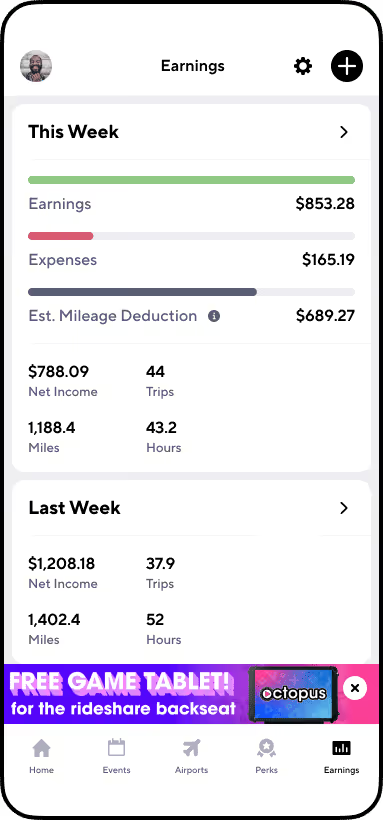
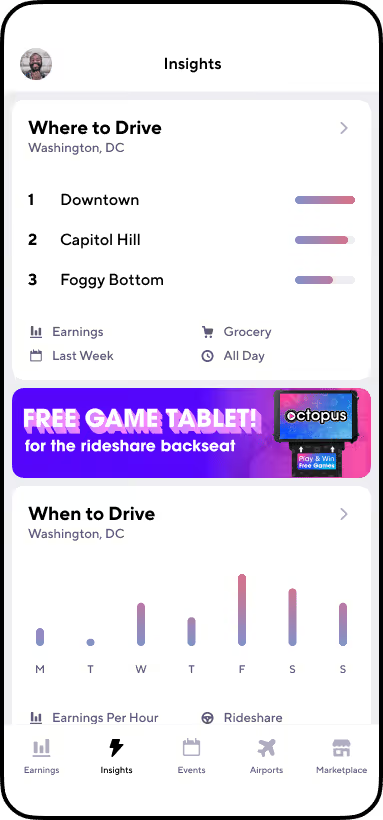
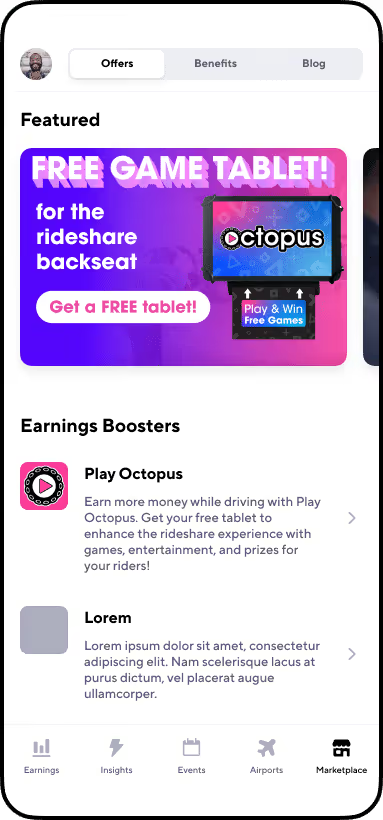
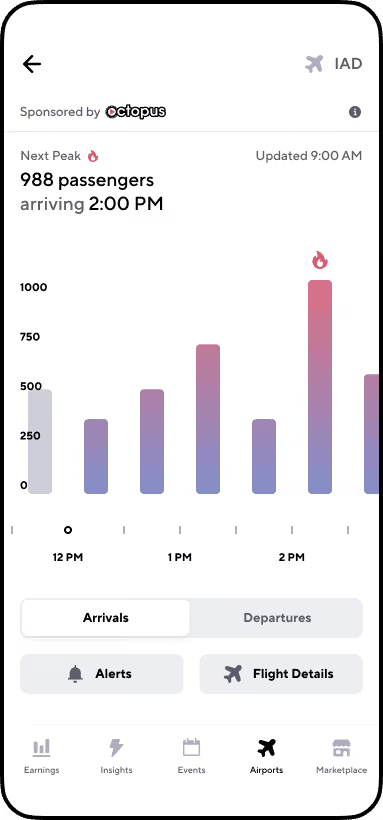
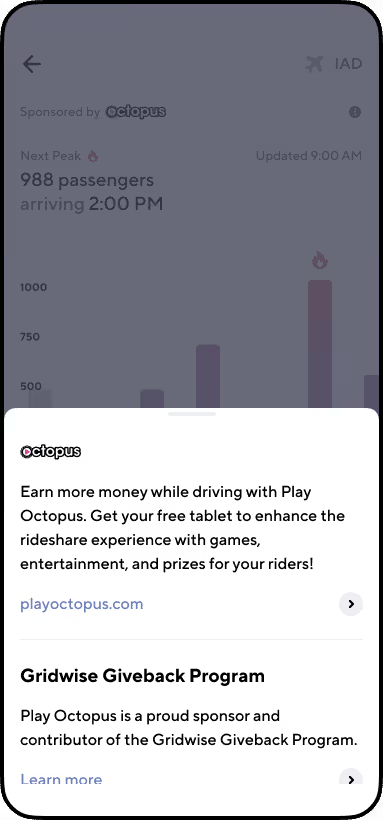
Visibility was key in introducing Octopus in new markets, so leveraging a static sponsorship placement in the Gridwise mobile app was crucial for branding. The placement also showcases Octopus as a contributor to the Gridwise Giveback Program, which provides gas subsidies to drivers to fight the ever-increasing costs associated with driving.
Monthly emails to drivers in target markets became a key educational component to explain how the tablet works, and the additional earning potential for drivers. These emails tend to average 27% open rate and 3-4% CTR.
Results
The leap of faith paid off immediately, as impressions increased over 2,000% in the first month of the new campaign. Applications increased 300% while their acquisition cost fell to $10 per driver, lower than any other channel, including Facebook.
“We weren’t overly surprised [by the increase in performance],” says Clay Moore, Sr. Director of Brand Partnerships with Gridwise. “We have partnered on driver acquisition for several years and it’s the type of product that drivers absolutely love,” Moore continued, “So by combining in-app, email, and social channels, we were able to create a really compelling campaign to convert really active drivers.”
Martinez added “Gridwise and Octopus make such great partners because both exist to improve the gig driving experience.” In fact, the two recently inked an exclusive partnership, solidifying Octopus as the sole tablet provider that Gridwise recommends to its drivers.
“Gridwise was part of our support system through the pandemic and they helped us strategize from a product and driver acquisition perspective,” said Martinez.
“Working with Gridwise isn’t like working with another ad platform. They don’t just set a campaign live and leave you to your own devices… They help you continuously drive better and better results,” she added, “...you can sign an agreement for 6 months and feel confident about getting results the entire time.”
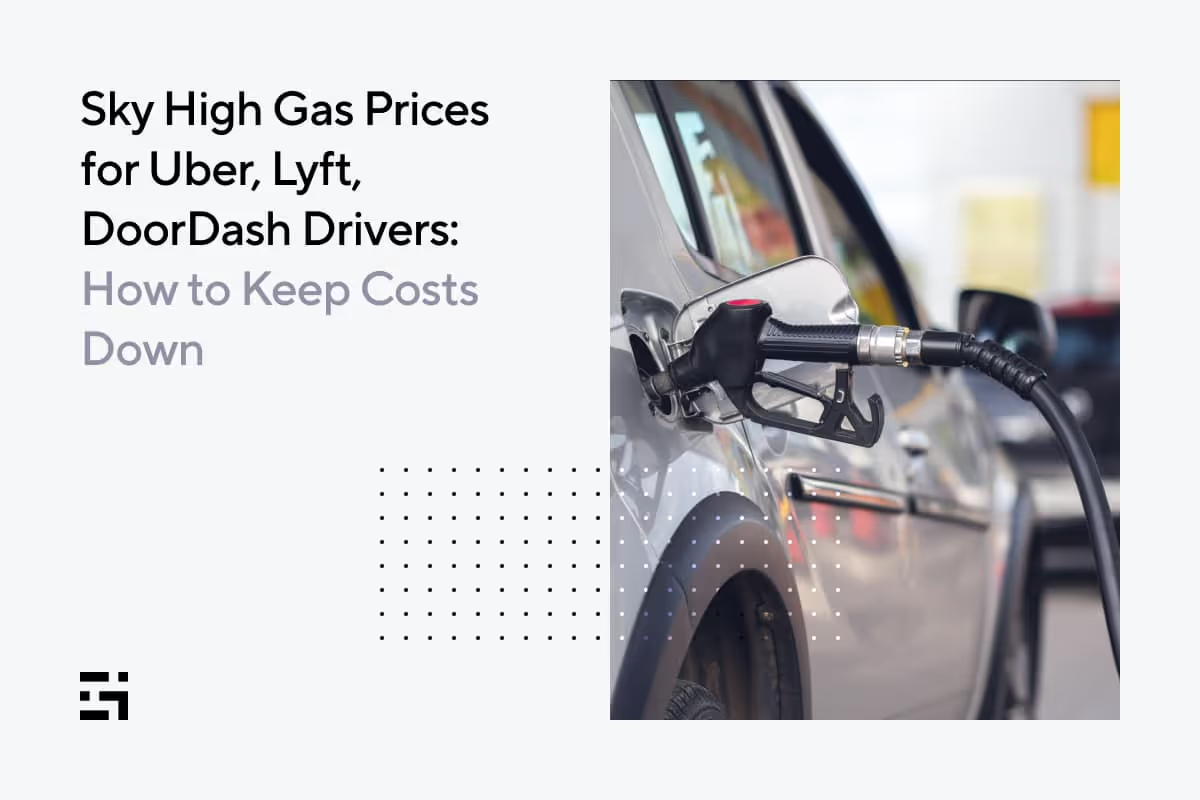
Sky High Gas Prices for Uber Lyft DoorDash Drivers: How to Keep Costs Down
Skyrocketing gas prices are no fun to watch, especially for gig drivers. When filling the tank cost half of what it does these days, it was easy to blow off those special deals that could save drivers money on gas. You could keep driving around without much worry about saving money on gas.
Things have changed now, for sure. Rising rideshare gas prices take a bite out of earnings, and high delivery gas prices mean less bacon to bring home. In this post, we’ll examine this worrisome issue and offer options that make horrifying gas prices far less taxing. Here are the points we’ll cover:
- Watching gas prices rise: where are they headed?
- Higher Uber driver gas prices and other gig driver woes
- Keep costs down with gas discounts for gig drivers and smarter driving strategies
Watching gas prices rise: where are they headed?
Drivers get around a lot, and as you make your rounds, it’s hard to ignore how the numbers on those service station signs keep going up and up. At this writing, gas prices have reached an all-time high. According to AAA, the average price for a gallon of gas in the US on March 8, 2022 was $4.173. In February of 2022, the price was $3.455, and one year ago, in March of 2021, the price was $2.774.
The rise in gas prices over the last year, and in the last several weeks especially has stemmed from various sources. The bottom line, as in all economic equations, is high demand and low supply driving up the price of crude oil, the refining process, and the costs of shipping.
People who have different political biases favor some reasons for this situation over others, and the real answer might be a combination of all these factors.You can do your own research and decide what reasons make the most sense to you. Here are some of them.
- The US just banned the import of petroleum products from Russia, due to the Ukraine conflict
- The instability of world affairs, including the Russia-Ukraine conflict, has pushed up the price of oil
- The aftermath of the pandemic has made it more difficult to procure and distribute cheap oil
- Disruptions in the supply chain make it harder for oil to be delivered to refineries, and from refineries to retail outlets
- Changes in US oil production policy have reduced domestic supply
If it’s any consolation, escalating oil prices is not just an American problem. The crisis that we face is global, and there are few if any signs that the trend will reverse itself any time soon. Much will depend on what happens in world events, and what steps are taken to alleviate the shortage of gas supplies.
Higher Uber driver gas prices spread woes to all gig drivers
Now, any reasonable layperson is liable to ask, “Do gig companies like Uber cover gas?” Professional drivers who’ve been through this before realize the answer is a resounding “No.” However, this situation is very extreme. It also comes at a time when Uber, Lyft, Doordash, Amazon Flex, Instacart, and other companies are struggling to get drivers back to work after the pandemic.
Because of these severe price spikes, companies may consider helping drivers out. According to an article on Bloomberg, take-home pay decreased when gas prices increase. A spokesperson for Uber also noted that the platform only works when it works for drivers, so they’ll keep watching the situation and listening to their drivers.
The increased cost of doing business affects drivers on other platforms. It’s sure to affect the supply of both rideshare and delivery drivers of all kinds. Customers for rideshare and delivery could both be back to enduring the kinds of wait periods they endured during the pandemic, as fewer drivers become willing to work longer hours or make far less than they need.
Will Uber, Lyft, and other companies raise rates to cover drivers’ gas? It’s possible - Uber has already announced that it plans to raise the Uber passenger fare in order to assist with the increased cost of driving. As of now, Lyft, DoorDash, and other gig businesses have not yet announced similar plans. You can however utilize a Lyft mileage tracker.
A trip cost increase or surcharge couldn’t possibly come too soon as far as gig workers are concerned. It’s estimated by some drivers that as much as 60% of their earnings are being ripped away from them to cover the astronomical costs of fuel.
Those who own a hybrid vehicle or an EV might not feel the pain so intensely, but it’s not easy for all drivers to get away from carbon-fueled vehicles. The high cost of EVs, plus the probability that other energy costs are likely to follow the same trajectory as oil and gas, offer little hope for cutting fuel costs, even for drivers with an EV.
Keep costs down with gas discounts for gig drivers and smarter driving strategies
According to Patrick De Haan, head of petroleum analysis at Gridwise partner GasBuddy, the situation isn’t going to change any time soon. He fears that high gas prices are going to stick around for months, at least. This makes it even more important for drivers to keep their costs down. How can they do that? According to De Haan, drivers should drive with fuel conservation in mind, watching their speed and limiting stop-and-go driving as much as possible.
The other thing drivers can do is limit the amount of time they spend riding sound searching for rides and deliveries. Using When to Drive and Where to Drive from Gridwise will help you find the best times and places to make the most money.
And… there’s one more way you can cut your gas prices right now - by signing up for the best gas card for rideshare and delivery drivers: Gridwise Gas! Every cent you don't have to pay for gas is more money in your pocket.
With Gridwise and GasBuddy, you have the best gas card for gig drivers. You can get up to 25 cents off every gallon of gas you buy with your Gridwise Gas card. It’s easy. Just follow these simple steps:
- Download Gridwise and tap "Gridwise Gas" in the Benefits tab of the app
- Join Gridwise Gas for free and securely link your bank account. You’ll receive a Gridwise Gas payment card in the mail within a few days.
- Download the GasBuddy app and activate your card.
- Use your Gridwise Gas card to pay for gas (accepted at 95% of stations nationwide).
The payment will be deducted from your bank account, and your discount (up to 25¢ per gallon) will be automatically applied. You’ll also be eligible for exclusive offers and special deals.
Don’t keep paying those painful prices at the pump.
Make sure you've downloaded the Gridwise app to save more on gas
(Already downloaded Gridwise? Click here to access affordable gas for gig drivers!)
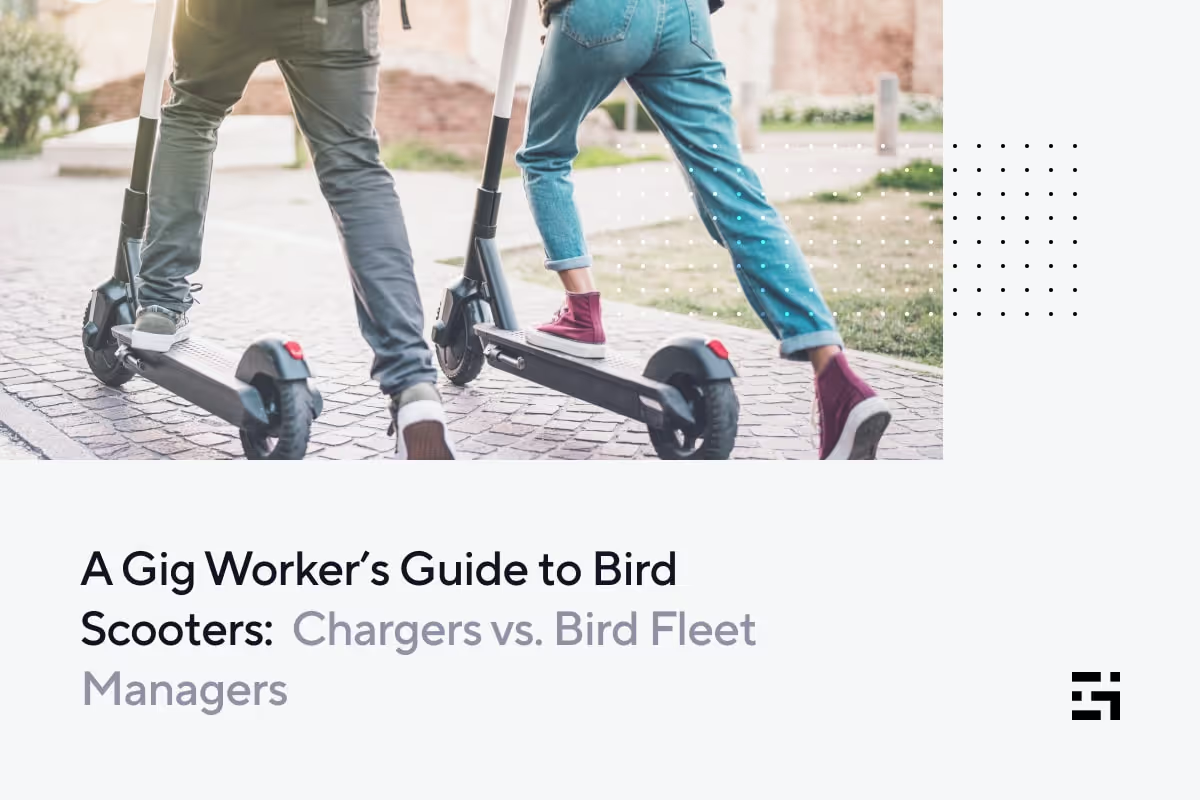
A Gig Worker's Guide to Bird Scooters: Chargers vs. Fleet Managers
Today, we’re covering another opportunity to work for a behemoth in the scooter industry - Bird.
Bird first showed up on the streets of Santa Monica in 2017 and gave over 10 million rides in its first year of operation. The startup has now infiltrated over 100 cities across the world with the mission of cutting down CO2 emissions and traffic. Bird is also recognized as the fastest startup to achieve a $2 billion valuation, so they’re not messing around!
Since 2017, Bird has changed how they operate. While a few markets still hire independent contractors to charge the scooters, many markets now hire "fleet managers" who take on more responsibility. In this article, we’ll break down what it's like to work as a charger and a fleet manager for Bird Scooters. If you’re looking for an extra source of income in addition to gig driving, read on.
What is Bird?
Just like Lime, Skip, and Spin, Bird is a dockless electric scooter company that offers on-demand rides accessible through a smartphone app. According to its website, Bird shares a mission with cities to “reduce traffic congestion and carbon emissions by providing people with a safe, affordable, and environmentally friendly alternative to cars.”
To ride, you simply open up the app to find the location of the nearest scooter and electronically unlock it. The fee was originally $1 to unlock each scooter plus 15 cents per minute of riding, but per-minute fares in some cities have doubled.
Bird is available in over 100 markets worldwide, including cities in North America, Europe, and the Middle East. Check out this map to see the full list of cities Bird operates in.
What is a Bird charger and how does it work?
Bird thrives on “chargers” to keep their scooters functioning and ready to ride. A Bird charger is someone who goes into the city to pick up scooters, charges them at their homes, and releases them back on the streets the next day.
The process focuses on two major tasks: “harvesting” and “serving.”
- Harvesting: Harvesting refers to locating scooters on the street, picking them up in your personal vehicle, and charging them at your residence. To harvest, you open up the app and view a map where you can locate scooters in need of charging. Each Bird shows up as a colored icon on the charger’s map, and the color code indicates how much each scooter is worth based on how difficult it is to capture. For example, Birds hidden on private properties are worth more money than those that are easy to spot. Once a Bird is located, a charger will unlock the scooters via the app and a QR code, place them in their vehicle (preferably a larger truck, van, or SUV) and then take them home and charge them.
- Serving: Serving means releasing the scooters back on the streets after a night of charging. Chargers receive a message in the morning with information on drop-off locations, which are called “Bird Nests.” The Birds have to be placed in the Nests by 7 AM to be ready for morning riders, but users report that they still received a full-payout after a late release.
How much can chargers make?
The amount of money you can make depends on how many scooters you collect and charge each night. It also depends on what kind of scooters you collect, as they are indicated in three colors - green, yellow, and red. Red scooters are the most difficult to capture, and pay between $20-$25 per scooter. Yellow scooters pay out $7-$14, and are a tad easier to find, but still tricky to capture. Green birds, paying less than $5 each, are the simplest to find, and are hiding in plain sight. Of course, capturing green Birds has the most competition, so you have to move fast!
While there have been that chargers can make $20-$30 per hour, some chargers have reported that they have barely been making minimum wage since pay cuts occurred last year. Chargers say that the majority of Birds they harvest are in the $3 range, therefore lowering their hourly pay, and that harvesting a $20 bounty is rare.
Since Bird has effectively decreased its bounty payments, having a strategy is even more key to make money as a charger. Mapping out your plan of attack before harvesting your first Bird can be essential for a successful haul. With satellite view on the map, you can get a quick overview of where clusters of Birds are located so you can pick up several at one time to increase your efficiency. You’ll also need to be aware of the competition in your area and move swiftly as possible, and plan your Nest locations each morning so you can release as quickly as you can.
What is a Bird fleet manager?
Fleet managers have a more hands-on role than chargers. They typically take care of scooters in bulk, instead of a handful at a time - think 50+ instead of 5-10. In addition to sanitizing and repairing the scooters, fleet managers are responsible for transporting larger quantities of Bird scooters to and from deployment areas. Bird describes it as "running your own business", rather than a "gig".
How much can Bird fleet managers make?
With greater responsibility comes greater pay. Bird guarantees that fleet managers will make roughly $1,500 a week, but they do note that it varies from area to area. Fleet managers have opportunities to increase their income by growing their fleet and getting more rides. In 2021, US Bird fleet managers made an average of $70,000 in annual income. Not too shabby!
Signing up as a Bird charger
Becoming a Bird charger is pretty simple. There are a few guidelines to follow before signing up:
You must:
- Be 18 years old
- Have a vehicle (preferably a larger one)
- Have a valid driver’s license
- Have a helmet for scooter driving
- Have a smartphone to use the app
If you fit the guidelines, the first step is to sign up on their website or to tap on the “Become a Charger” icon in the app. The sign-up form will ask for basic personal information such as your name, contact details, and banking and tax information so you can get paid. You can get paid daily and get deposits directly into your account.
Since charging is a popular side gig for many, it may take awhile for you to hear back from Bird. Once you do, you will receive a phone call where you’ll get briefed on the details of Bird charging and you’ll answer a few questions pertaining to the gig. Lastly, once you get approved, you’ll receive access to Charger Mode on the app and Bird will send you 3 chargers by mail. You will have the opportunity to order more chargers later.
Signing up as a Bird fleet manager
The requirements for becoming a Bird fleet manager are similar to being a Bird charger, with a few key differences.
On top of being over 18 years old with a valid driver's license, you'll need:
- A larger vehicle to transport scooters
- A large enough space to store large quantities of Bird scooters
- Ability to commit at least 40 hours a week to running your fleet management business
- A solid understanding of finances (tracking payouts and managing vehicle expenses)
And, as always, you'll need a working cell phone.
Applying to be a fleet manager also requires basic information like your name and banking details, just like applying to be a charger. If you're approved, Bird will get in touch with you to get a contract signed.
Support
Bird offers support for chargers via their in-app HELP feature. When submitting a ticket, include all relevant information regarding the issue such as payout amount, actions taken, screenshots, pictures, Bird ID’s, and a detailed description. A team member will assess the issue and get back to you.
Lime chargers vs Bird chargers
Both Lime and Bird have similar payment models for their chargers, where they pay you a base rate of $3 to $5 for charging and dropping off each scooter.
The pay per scooter varies based on when the scooter becomes available for a charge and how long its been since its last charge. Bird has a range of $3 to $20 per scooter, while Lime usually starts out with a base rate of $5 per scooter, with little fluctuation in payment from there.
An upside of charging for Bird is that they’ll pay you a reduced rate if you release a scooter that isn’t at 100% charge, while Lime withholds payment for not meeting charge standards, and even revoking your juicer status at times. Lime also has stricter rules on releasing scooters by 7 AM, while Bird is more lenient and still pays for late releases.
When choosing whether to charge for Bird or Lime, it really comes down to convenience for you and figuring out which “hubs” you’re closest too. If Lime hubs or Bird hubs are inconvenient spots for you, you’ll make less money with either one. Depending on the popularity of either company in your city, this is a huge consideration to factor in.
Hoarding
Yes, scooter charging seems like somewhat of an easy after-hours gig where you can pretty much make money while you sleep. However, the job is harder than it sounds and requires chargers to have self-awareness and take safety precautions.
Some chargers report that a scooter’s location on the app isn’t always accurate, which leads them off track and wasting time. Frightening situations of people hoarding scooters in an attempt to defraud the companies has occurred. There have also been situations of criminals using scooters to lure chargers into unsafe areas at night and rob them (or worse).
Since this job takes place mostly at night, there are intense safety concerns to consider before working as a charger. It’s extremely important that you stay hyper-aware of your surroundings and use common sense before capturing scooters in unsafe places.
Wrap Up
Charging for Bird could be an easy after-hours gig for someone who spends their days driving and wants to pick up some scooters to charge on their way home. While the idea of charging is pretty simple, having a strategy is definitely important when planning your scooter pickups for maximum payout. It’s essential to figure where the scooter “hubs” are so you don’t waste time tracking them down each night.
Chargers should be prepared to work late at night and early in the morning, and be equipped with a somewhat large vehicle to haul scooters around. Being cautious and staying vigilant is important to keep yourself safe while capturing.
On the other hand, managing fleets for Bird is more likely to bring in consistent, higher paying wages; however, it's more work and not for the faint of heart. But, if you're already diligent and organized with your gig driving, you'll be well equipped to crush it as a Bird Fleet Manager.
Do you have any tips for being a Bird Charger or Fleet Manager? Let us know in the comments.
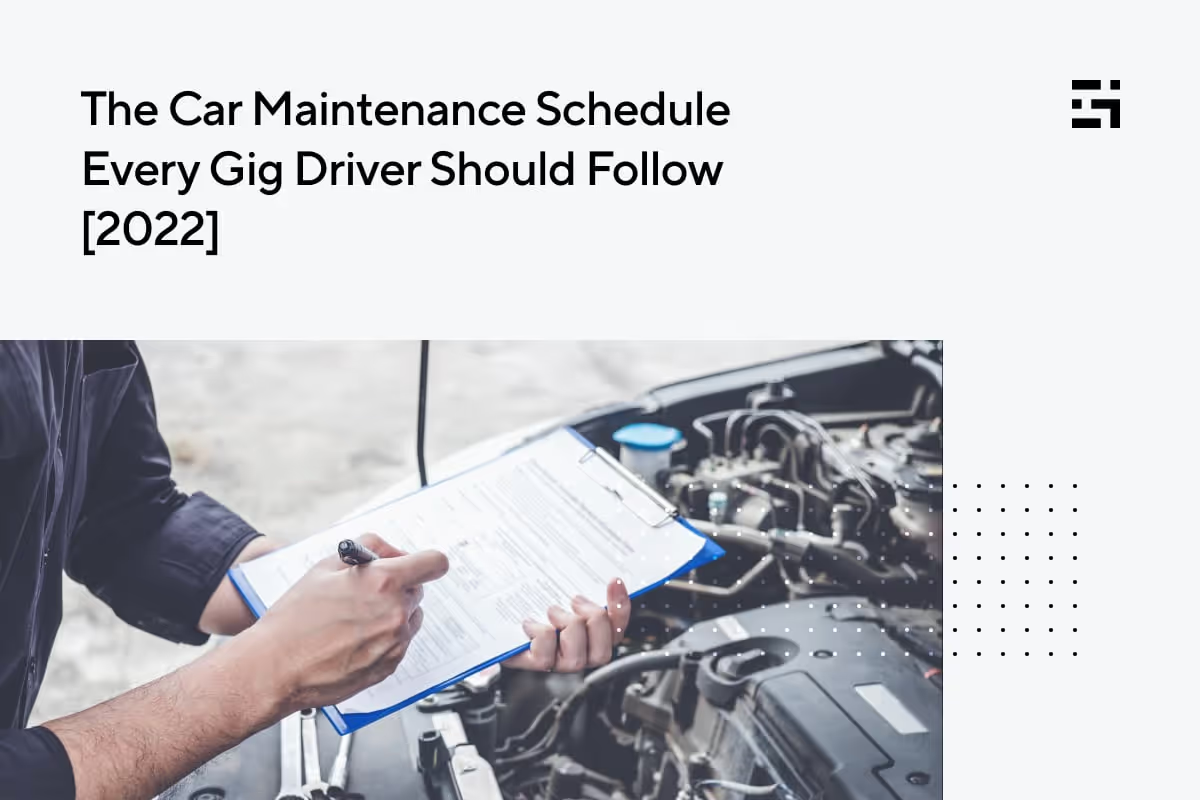
The Car Maintenance Schedule Every Gig Driver Should Follow [2022]
When rideshare or delivery driving is your business, your car is more than just a vehicle. It’s your most important business asset and your source of income. Without your car, it’s pretty difficult to keep your cash flow going.
Because you depend so heavily on your car, you need to keep it in good working order at all times. Sure, maintenance can cost some money, but over time, it’ll be worth it. Why? Because if you don’t take care of your car, you could soon find you’re stuck coming up with cash to pay for a major repair.
If and when you do, that $100 you should have spent on maintenance could turn into $1000 or more in fixing what went wrong. On top of that, you could also lose out on $100’s or $1,000’s in income as you sit on the sidelines waiting for your car to be drivable again.
We want you and your car to be together for as long as possible, with as few breaks as possible, so we’ve put together a maintenance schedule every rideshare or delivery driver should follow.
Why do I have to follow a car maintenance schedule?
Like we already said, being left without your car can be a real catastrophe.
Some drivers have breakdowns that take them off the road for at least 2 weeks.
That may cost you hundreds of dollars in repair expenses AND a loss of thousands in income. The most painful part of the ordeal is that it doesn't have to happen. The whole thing can be avoided, if you stay on top of your car maintenance.
Sticking to the following maintenance schedule helps minimize the chance of you getting stranded without a car.
Weekly Checks
Windshield wiper blades: If you want to drive like a pro, you definitely need to be able to have a perfectly clear view of the road! Check your wipers frequently, and if they aren’t working up to snuff, replace them with high-quality, long-lasting windshield wipers.
Windshield wiper fluid: There’s nothing more annoying than getting caught without windshield wiper fluid! That’s why it’s a good practice to check your wiper fluid every week and ensure it’s at least half full.
Tires: Check all 4 of your tires for punctures, gashes, scuffs, or bulges. Also, ensure no steel cord is visible at all. If you see any issues, it might be time for a tire change.
Tire pressure: As rideshare drivers, we’re out on the road constantly, so our tire pressure can rapidly decrease. Take a moment to check your tire pressure once a week to make sure they are inflated properly. Compare your tire pressure to what is recommended in your owner’s manual. If you don’t have your owner’s manual, don’t worry. Google it!
Body and bumper damage: It’s incredibly easy to get a few bumps and scratches without knowing it when you drive 8 – 12 hours a day, often in congested areas. So once a week, or more, have a quick walk around your car to inspect for any new damage, including bumps and scratches. Check closely for any signs of rust as well.
Brake lights and headlights: This one’s especially important for late-night drivers. Park your car in a safe spot, turn your headlights on and ensure all bulbs illuminate. To check your brake lights, back up to a wall, press and hold your foot brakes and use side and rear mirrors to see both brake lights reflected by the wall.
Dashboard warning lights: This is an easy one. When you start your car, simply check your dashboard for warning lights. If you see one pop up, you can simply check your car manual for any lights that come on. If you don’t have your car manual, or even if you do, you can always Google your specific issue as there is almost definitely someone that’s asked about the light on a forum somewhere. Don’t fall into the habit of ignoring these lights!
Leaking fluids underneath the vehicle: Use a flashlight to look under your car for power steering fluid, brake fluid, coolant, transmission fluid, anti-freeze or anything else that could be leaking.
Oil level: Most mechanics and dealerships will recommend oil changes as specified in your car’s owner’s manual which usually falls somewhere between every 2,000 and 6,000 miles. When you’re a rideshare or delivery driver, that mileage piles up rather fast. Check your oil levels every week to make sure they’re keeping your engine running cool and clean.
To check your oil levels, make sure that your engine has cooled down. Then, take the dipstick out and wipe it off with a rag. Put the dipstick back in and then pull it out and see if the oil levels are where they should be. If they aren’t, you may have a leak which you should get checked out by a pro.
Pro Tip: Always check your engine lights everytime you drive and do your best to take care of any issues as soon as possible.
Every 3,000 Miles
Oil Change: Always check your vehicle’s oil change schedule in your maintenance manual. In most cases, you’ll probably want to change your oil somewhere around every 3,000 miles. Clean oil is crucial. It keeps your car running now, and it also contributes to the longevity of your car. You could stretch the oil changes a bit farther, but it’s safest to try to change your oil at 3,000 miles unless your owner’s manual says otherwise.
Check belts and hoses: Your car’s belts and hoses are key to keeping your car on the road. So, you’ll want to check them out regularly to see if they need to be replaced. If your hoses appear to be brittle, are worn or are bulging, you will need to get new ones. If your belts are frayed or worn, then you’ll need to get replacements.
Air filter: Your air filter keeps harmful substances from getting into your engine, so If it’s damaged or dirty, nasty particles can enter your engine and really clog up the works. Check to ensure that it’s not dirty or blocked. If so, you’ll need to have it replaced.
Brake pads, rotors, and fluid: Your brake pads, rotors, and braking fluid make up your braking system, and if your braking system isn’t working correctly, you might get into serious trouble. Every time you change your oil, take a quick look at your pads, rotors, and fluid to ensure they’re in good working order.
As a gig driver, you may be able to get special discounts for routine maintenance checkups like these. Gridwise users can take advantage of Gridwise's partnership with CarAdvise to save 10-40% on care care. Tap "Vehicle" to check out the CarAdvise program!
Every 6,000 miles
Tire Rotation: Tires last longer if they’re evenly worn down, but your front tires typically get worn faster. That’s why it’s important to get your tires rotated frequently to prevent the need to replace them faster than you’d like, and spending lots of extra money.
Spark plugs and wires: Ensure that your spark plugs and wires are ready to get the party started. These usually only need to be changed every 30,000 miles or so, so you probably won’t find problems with them all that often.
Replace your cabin air filter: Installing a fresh cabin air filter is probably one of the easiest things you can do to keep your car comfortable. Most vehicles make the cabin air filter easily accessible, and replacing it is as easy as opening a box. The cabin air filter may not be critical to your car’s operation, but it makes riding in your car far more pleasant! This is something you can do for yourself, so if you keep your eye on it and replace it as needed, it won’t turn into a repair you have to pay someone else to do.
Windshield wipers: Like we said before, good windshield wipers are something you can’t afford to ride without. Don’t wait until you can barely see through your windshield to check and change your windshield wipers. Constantly check your wipers to ensure they aren’t getting overly worn. When you replace them, do it with a wiper that’s going to stand up to all kinds of weather and last a long time.
Every 15,000 miles – Find a Good Mechanic
At 15,000 miles you’ll need to check your battery, serpentine belt, timing belt, and wheel alignment, among other things. For these more sophisticated maintenance tasks, it’s best to find a great and trustworthy mechanic, and take your car in for a full inspection.
A good mechanic is like having a good doctor. They give you good recommendations, and allow you to make the final decisions. When you find a mechanic you know you can trust, you will have made a connection you’ll want to keep for as long as possible.
A trustworthy pro can be the difference between your car lasting just 100,000 miles and 300,000 miles, so don’t take this task lightly. How do you find one? Ask friends and family, check Yelp and other review sites, and make sure you do your due diligence.
Bonus - Car Wash
This is a big one, especially in winter. Regularly washing your car keeps salt from rusting out and damaging your car's undercarriage. It's recommended that you wash your car at least once a month, to keep everything clean and running smoothly - even when it's not winter.
Taking your car through the car wash on a regular basis can add up quickly, so be on the lookout for car washes that offer driver discounts - like Rynse! An even more affordable option is to do it yourself, but that can be time consuming.
What if my car breaks down anyway?
Sometimes your car just quits on you, no matter how much you've taken care of it. Make sure you have roadside assistance coverage in case you break down on the road. Gridwise's benefits program gives gig drivers the roadside assistance they need - for only $1/week.
If your car does end up in the shop for an extended period of time, you can always rent a car temporarily to stay on the road. You may want to seriously consider this so you can keep up a steady stream of income. Interested in learning more? Check out this car rental program for gig drivers.
Whatever you choose to do, if you maintain your car with full attention and care, it will serve you well and be a fully reliable source of income now and in years to come.
Access special gig driver discounts for auto care
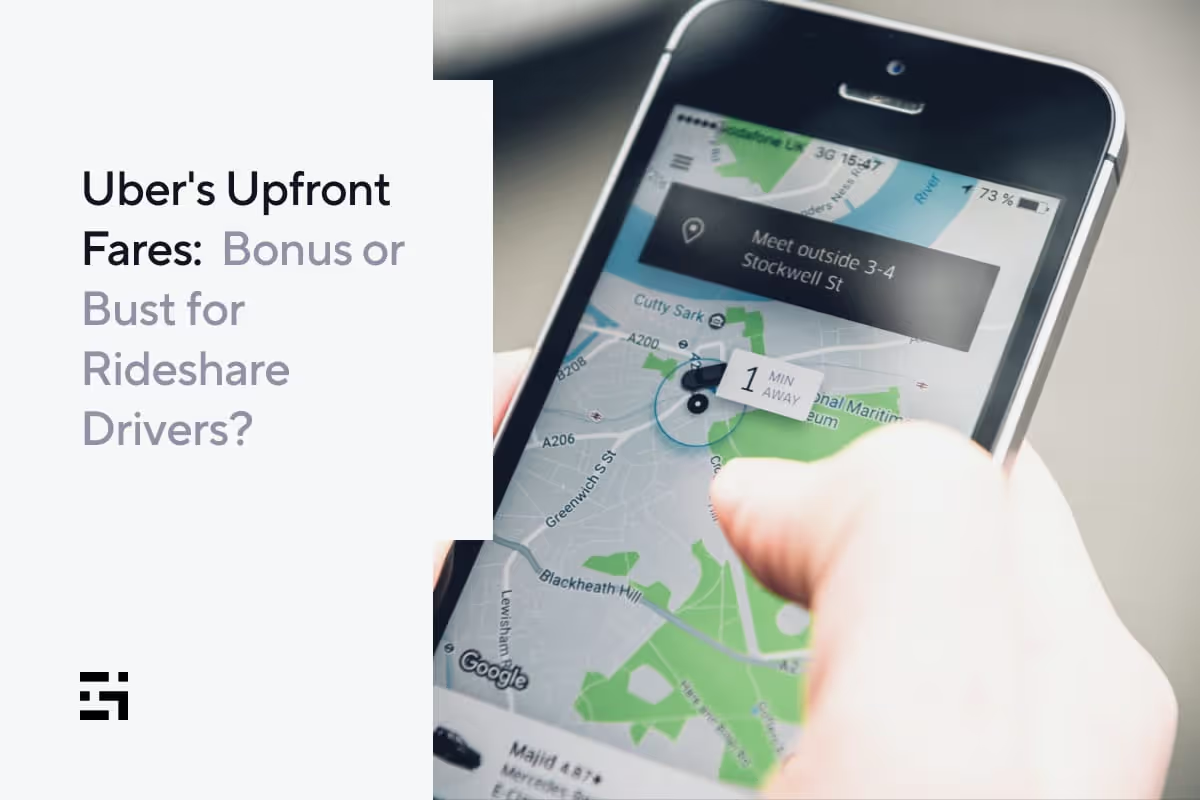
Uber's Upfront Fares: Bonus or Bust for Rideshare Drivers
Among the great unknowns of rideshare driving is not knowing where a ride will take you and how much you’ll get paid for going there – and it has to be the most annoying of all. If you just said, “I feel you,” there’s good news: Uber just announced a feature to fix it, called the upfront fare. As the name implies, it lets you see how much you’ll make and where the trip will take you before you accept it.
The Uber upfront fare feature is being rolled out in 24 markets initially, and may or may not become a universal feature for Uber drivers. Much will depend on how well it goes over with drivers, and of course, what it does for Uber’s profit margins. Uber has tried upfront pricing before, but there are new features that make it a little more interesting, and possibly more useful and lucrative, for drivers.
In this post, we’ll take a look at what the latest iteration of Uber’s upfront fare is all about and whether it will be a good thing for drivers, – or not. We’ll cover:
- What drivers want to know
- What the new Uber upfront fare gives drivers
- How Uber calculates upfront fares
- Improve your earnings: how to make Uber’s upfront fares work for you
What drivers want to know
The bottom line for gig driving is making the most money in the least amount of time. And yes, those pesky unknowns in rideshare driving can definitely affect that very thing. Knowing how much you’re likely to make is the biggest factor, but there’s more, including …
Short trips vs. long trips
Some drivers groove on short trips, while others like longer ones. Lots of short trips will probably take you to high-traffic areas and a steady stream of passengers. Long rides to the airport or out to the edges of a city’s suburbs can be lucrative too, and many drivers prefer to make their day’s pay with fewer, higher-fare trips. As we will see, this could change with Uber’s upfront fares.
Will the trip involve traffic delays?
Knowing whether a ride will take you through heavy traffic can always be useful because you’ll want to know if it will take forever to complete the trip. Specifically, you’ll want to avoid trips that take so long it keeps you away from getting additional business for an extended period of time.
Will the trip end in a high-volume area?
The destination point is another variable that plays into your rideshare routine. Your ideal trips will take you to a place where lots of people need Uber rides. In an area like this, you’re likely to spend much less time riding around with an empty back seat. On the other hand, if your fare leaves you in a sparsely populated area, you’re likely to ride around empty for quite a while until you either get really lucky or reach a locale where there are plenty of offices, schools, universities, event venues, restaurants, or bars.
How will the fare be calculated?
Drivers know this is the most important factor of all. If Uber’s fare calculation algorithm allows for factors such as pickup distance, ride duration, wait times, and mileage, then the driver can count on being treated fairly. However, there are some variables in the way trips are calculated that can leave drivers holding the bag. These include the way mileage and trip duration affect the total fare, and whether surge pricing is factored into the figuring.
What Uber’s new upfront fare gives drivers
If you’re familiar with the Uber Pro program, you may have earned the privilege of getting advance information about your potential rides before. Under that program, you had to have a minimum number of trips, a maximum acceptance rate, and a low cancellation rate. If you reached the magic numbers, you were told how far you’d have to go, how long it might take, and how much you were likely to earn. But … if you didn’t accept the trip, your acceptance rate would suffer and you’d lose the privilege if you said “no” too often.
Uber’s latest iteration of upfront fare is different. First, drivers do not have to reach a certain level in the Uber Pro program to see fares upfront. Also, if drivers decide to decline rides, it’s not counted against their acceptance rates. That’s right! Drivers are free to accept a ride or decline it, based on the information they get from the upfront fare feature.
Uber’s upfront fare supplies a good bit of useful data, including:
- How much you’ll make
- Where you’ll go
- Estimated base fares
- Estimated trip length and duration
- Pickup distance
- Surge pricing
In the calculation of fares, Uber will continue to account for those occurrences no one can predict, including long wait times and tips that are added after the trip. One hundred percent of all driver tips will continue to be credited to the driver’s earnings.
The upfront fare feature will show you the cross streets closest to the pickup and dropoff points, which allows you to see if you’re going to wind up in an area where you’re unlikely to get a return fare. Uber will also adjust for changes in address made by the customer, as well as unexpected traffic. And, if you find a way to get to the destination faster than expected, you’ll still be paid the full fare, as long as the pickup and dropoff addresses remain the same.
In these cases, it seems that the upfront fare can only increase your earnings. Upfront fare and destination applies to UberX, UberXL, Uber Comfort, Uber Black, Uber WAV, Uber Assist, Uber Español, Uber Diamond, Uber Pet, and UberX Car Seat. Hourly trips are not included, and because the upfront fare includes consideration of long pickup distances, no extra-long pickup fee will be added to the upfront fare.
Tips, tolls, and other surcharges are not included in the fare shown, but they will be paid to you after the trip is complete. This part of the arrangement between drivers and Uber will not change with upfront fares. That means drivers will have to continue to scrutinize their earnings, ensuring tips and tolls are added on at the end of each pay period.
How Uber calculates the upfront fare
Uber’s upfront fare feature is an effort to adjust the company’s algorithm to fit drivers’ needs … and help its bottom line. When it comes to your next ride, Uber wants to make those trips that go through heavy traffic or toward areas that are “dead” more worthwhile to you. This helps ensure that more drivers are available to customers while keeping drivers satisfied with their earnings.
Most of the changes represent Uber’s efforts toward “rate rebalancing.” The goal of this adjustment is to make the average driver’s day more profitable by mixing short and long rides. Uber will be raising fares on short trips while making somewhat less on long trips. The company figures that most trips are short, so if drivers make more on shorter trips they’ll take more of them. This will also help Uber serve more customers.
The per-mile rate will be lowered with the upfront fare, while the per-minute rate will be increased. Trip totals won’t be based just on fixed time and distance anymore. For example, real-time demand at the destination will be factored into the fare.
One effect of upfront pricing is the separation of a driver’s earnings from the price the passenger pays. This can work to the driver’s benefit in most cases, but there will be some need for you to adapt your driving strategy accordingly.
Improve your earnings: How to make Uber’s upfront fares work for you
To be sure, the Uber upfront fare gives you the ability to pick and choose trips based on how much you are likely to earn. Many drivers are already used to this, either from Uber Pro or similar features that are commonly found on food delivery apps. Having the ability to “know before you go” makes the rideshare driver’s job easier, and that, in turn, makes it less difficult for Uber to retain its drivers.
If you like to run short trips, Uber’s upfront fare will help you earn more. The enhanced algorithm takes into account factors that previously made short rides a pain in the posterior. With higher fares for short trips, drivers will be able to see more consistency in their earnings. That long haul to the airport might not be so appealing with the changes in how mileage and time are figured into fares.
This could mean that long-haul drives will no longer be so profitable. You read that right: longer trips won’t make as much money as shorter ones with Uber’s new algorithm. That could definitely present a good reason to change your driving strategy if you’re a long-haul kind of person.
So, where do you find those short trips? It seems the way to make more money hinges on being aware of the best times of day and locations to get those short trips. You can try a trial and error approach – or, you can rely on Gridwise.
With Gridwise, you get data from real drivers in your location that tips you off on the best places and times to get rideshare business. This blog post offers insight that illustrates the benefits of the Gridwise Where to Drive feature.
In case you’re wondering if the Uber upfront fare is really making you more money, you can track your earnings with Gridwise, too. Simply sync your apps to Gridwise, and your earnings and mileage will be seamlessly recorded every time you log in. A few taps yield info-filled and easy-to-read graphs like these:
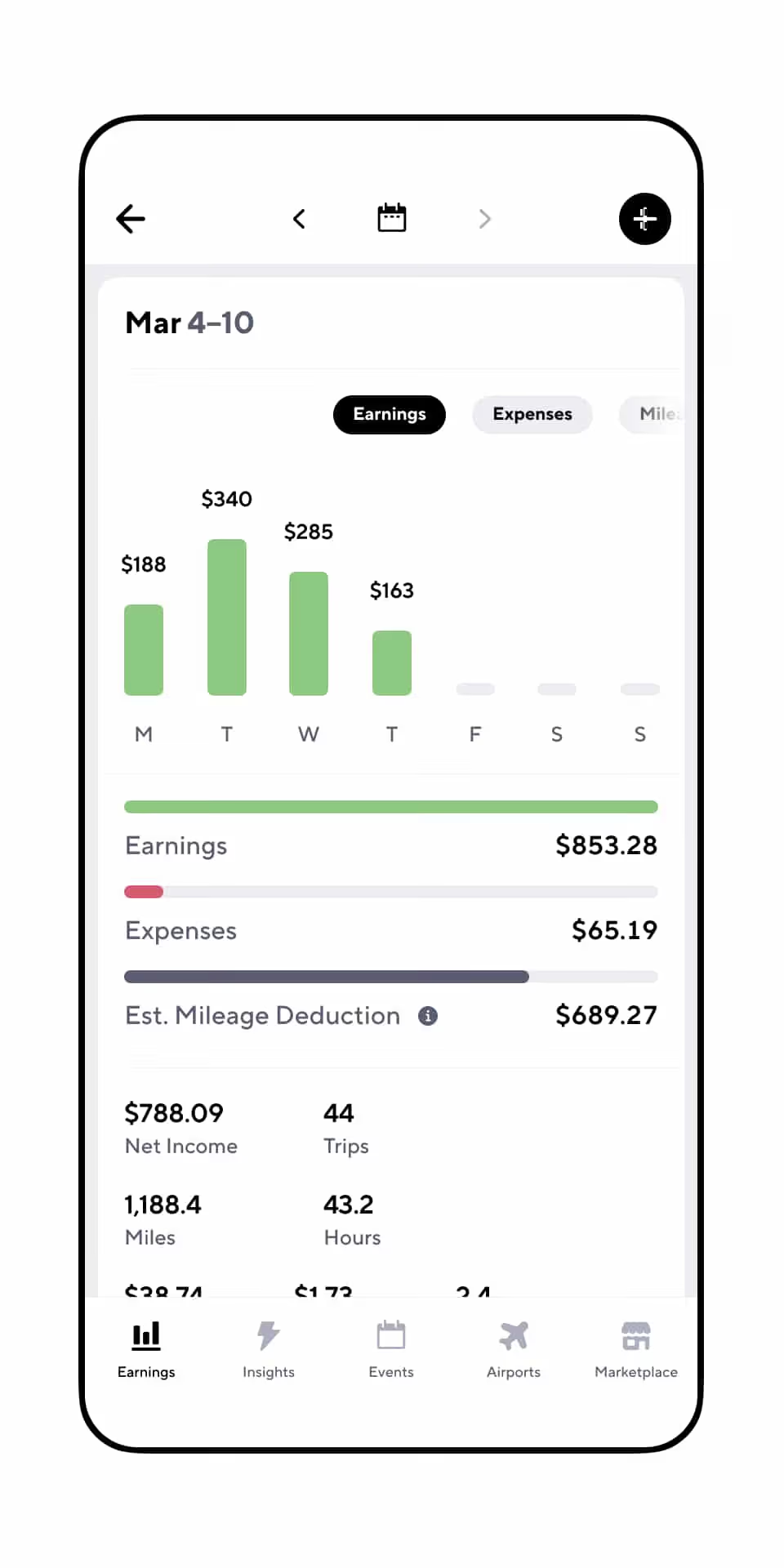
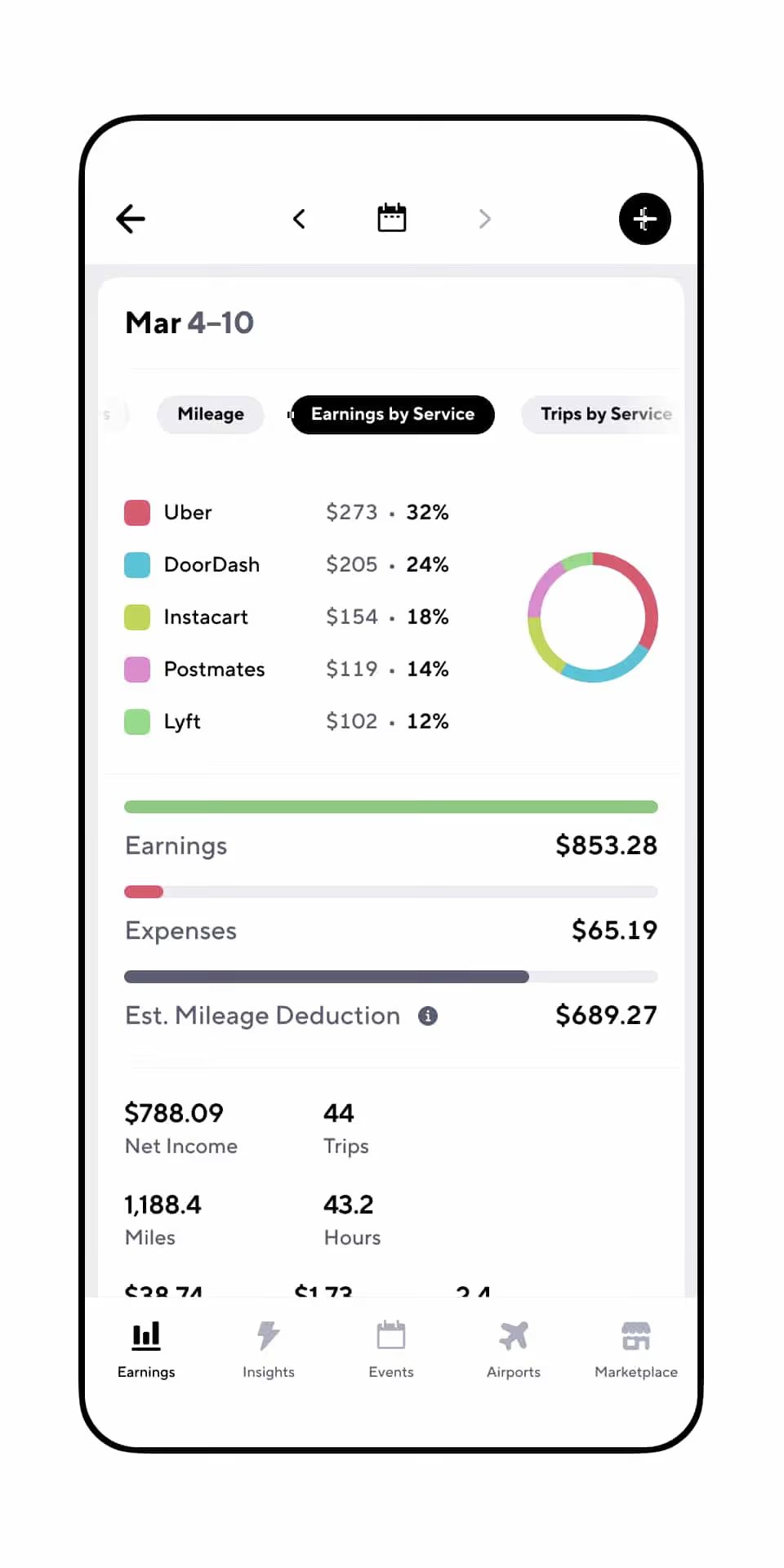
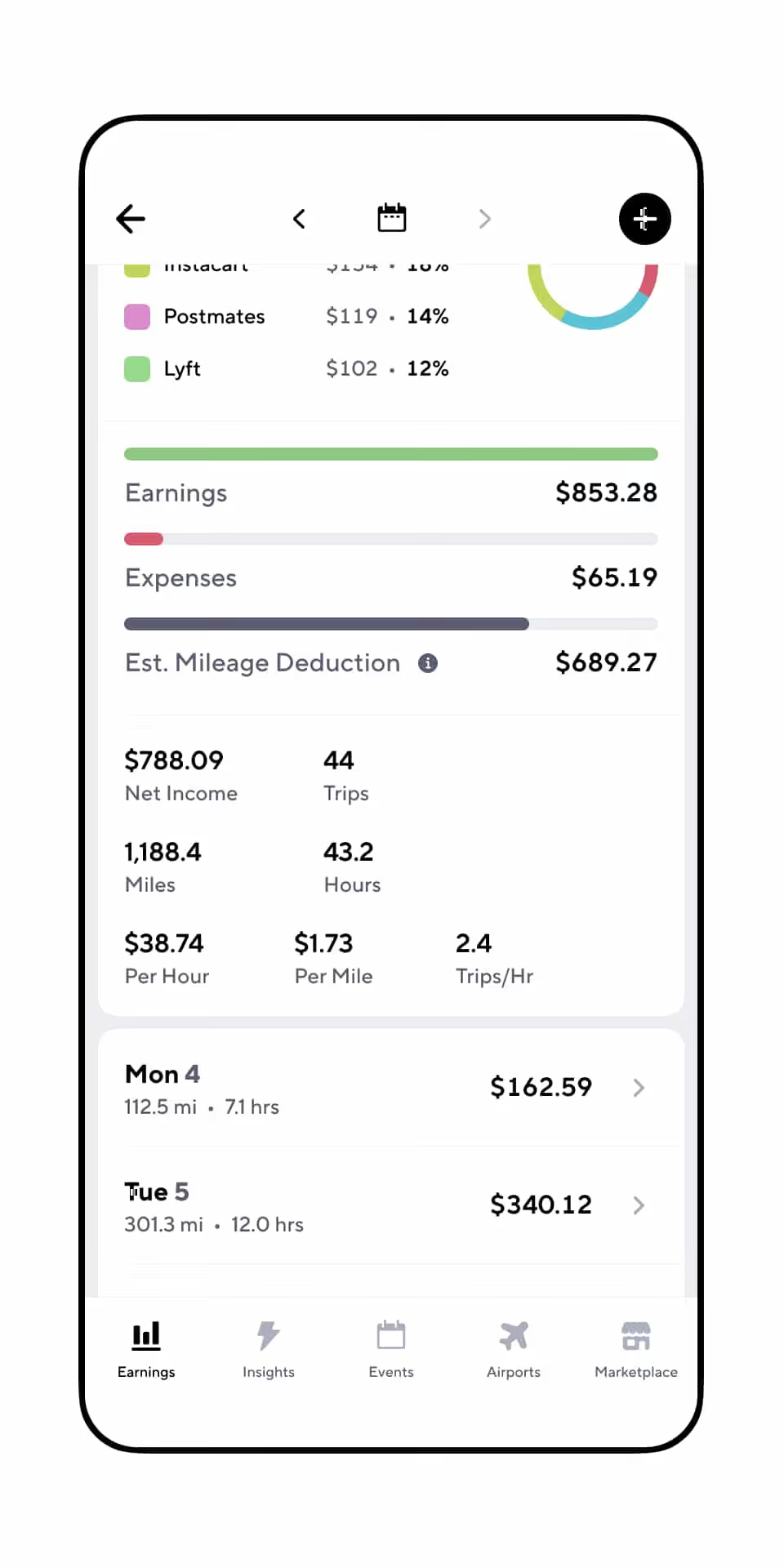
Keep a close eye on your Uber earnings or compare them with other apps you might be using. Then, to further maximize your earnings, use these other great Gridwise features:
- Airport traffic: arrivals, departures, and rideshare queue
- Weather alerts
- Event information: start and let-out times
- Traffic alerts
- Deals, discounts, and special offers for drivers
- Insight, tips, and tricks for drivers from our blog
With Uber’s upfront fares, there’s a new “unknown” to deal with. Why not make sure you have Gridwise there to help you get a grip on what’s happening with your earnings?
Download the best rideshare and delivery assistant today!
How to Buy a Car to Drive for Rideshare (Uber and Lyft) Companies
Driving for Uber, Lyft, or any other rideshare service requires the ability to think critically and plan like a champ. As a self-employed contractor, your focus has to be on maximizing your earnings and becoming profitable—and for obvious reasons, your car plays an essential role in both.
As a rideshare driver you spend a great deal of time in your car, and put thousands of miles on it each year. As a result, your car takes a beating, with wear and tear, deterioration, and the effects of passengers who are oblivious to what their muddy boots do to your car’s carpeting and upholstery. If you’re thinking about buying a car to drive for Uber or Lyft, remember these important considerations.
To help you get through the (often) arduous task of purchasing a vehicle, we’re put together this little guide with some tips you might find useful.
Let’s begin!
Getting started
Before you venture out to go car shopping, you’ll want to keep a few important points in mind. One of the most basic (but essential) considerations is your price range, based on what kind of car you can afford. If your budget is most suitable for a Ford Fusion or Honda Civic, for instance, you probably don’t want to be looking at Lexus SUVs. Other important features include good gas mileage, ample legroom for passengers, and a vehicle that is comfortable for your passengers.
Of course, while shopping for a car that you’ll use while driving for Uber or Lyft, you need to pay close attention to these requirements by the companies:
- Must have four doors and be able to transport a minimum of four passengers;
- The age of vehicle differs by state; check Lyft’s and Uber’s websites to find yours;
- The title cannot be salvaged, reconstructed, or rebuilt;
- Rental vehicles are not allowed on the Uber and Lyft platforms;
- Cannot have any cosmetic damage, missing pieces, commercial branding, or taxi paint jobs.
Having a fuel-efficient vehicle is important as it can help keep your expenses down. Spacious interiors with lots of leg room can ensure comfortable passengers, which could lead to good tips and higher ratings. You might have other wants on your list as well, such as Apple Carplay, Android Auto, or even a good stereo system. Additionally, you may be interested in using an electric car to receive "going green" bonuses.
Once you’ve taken all these factors and variables into consideration, you’re ready to go out and shop for your car.
Finding the right vehicle for your driving gig
So, where do you begin? You can take several approaches. Armed with all the information you’ve collected, you could get online and start surfing the web—although you’d better set aside a large chunk of time to do so. Or, if you’re in the mood for some in-person haggling with car salespeople, you could drive from dealership to dealership to see what kind of deal you can get.
Or, if you want to make it really easy on yourself, check out a digital automotive marketplace called Truecar, whose tagline is, “Car buying at its easiest.” Truecar is a great resource for finding new or used vehicles, and the site also furnishes an astounding amount of information about them; hence, its other tagline, “Everything you need in one place.”
Choosing your car
To help you in your vehicle search, there are some vehicle lists that are great for Uber and Lyft drivers.
According to U.S. News and World Report, some of the most popular cars to drive for rideshare in 2020 are the Toyota Camry, Honda Accord, Honda Civic, and Ford Fusion. While doing your search, you’ll undoubtedly find these listed under “good cars to buy for Uber and Lyft drivers.”
Remember, also, not to lose sight of your budget during the shopping process. It’s frightfully easy to be seduced by a luscious car that is in your dreams but very much NOT in your budget.
If you use Truecar, you’ll be able to easily find what car makes and models are available in your zip code. The website will help you find all of the bells and whistles that you want for your car, and also allow you to search and compare other cars that you might be interested in.
What if I want to sell or trade-in my old car?
If you have a car you need to offload before you can buy a new one, again, Truecar is the ideal website for you. You can sell or trade in a vehicle on this safe and secure site. You’ll be able to quickly receive an estimate of your vehicle’s value, and work with nearby dealers through Truecar to get your cash offer as smoothly and quickly as possible. This keeps the selling and trade-in process easy and stress-free, which allows you to focus on your real goal: buying that new car for your rideshare business.
Ready to buy a new car now?
The information we’ve included in this guide will hopefully give you everything you need to get started on your search for the right vehicle. Buying a car is a big deal, and we know that. With all these tips and ideas, you’ll be able to shop wisely and make the best buying decision for you.
Find your ideal rideshare car with TrueCar
Work smarter. Earn more.
Whether you drive, deliver, or pick up shifts — Gridwise helps you track earnings, mileage, and performance so you stay in control of your work. Download the app and take charge today.
