Gridwise blog
Tips, insights, and advice to help you earn more and work smarter, whether you do gig work, hourly, or shift work.
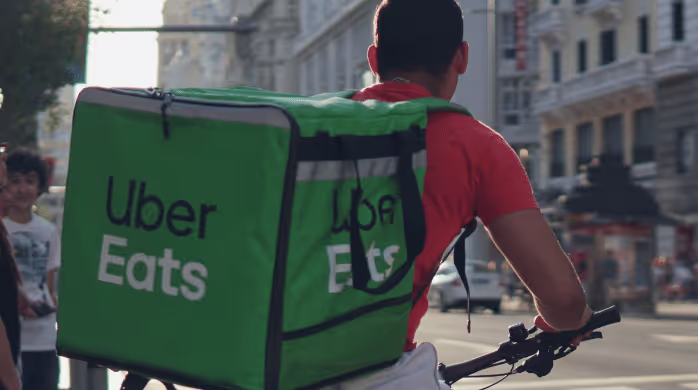
How to Make $1,000 a Week With Uber Eats in 2026 (Tips + Hourly Data)
In this blog, we'll explore the strategies and techniques that can show you how to earn $1000 per week as an Uber Eats delivery driver. We'll cover everything from optimizing your delivery zones and schedules to maximizing your tips and customer satisfaction. Whether you're a seasoned Uber Eats driver or just starting out, this guide will provide you with the insights and actionable steps to take your Uber Eats driver earnings to the next level.
Becoming an Uber Eats delivery partner can be a lucrative opportunity, especially if you're able to consistently earn $1000 a week. By understanding the platform, optimizing your delivery strategies, and focusing on customer satisfaction, you can maximize your earnings and turn Uber Eats into a reliable source of income.
We’ll cover the following topics to provide coaching and ideas to help you push your earnings up to that $1000 per week level:
What do Uber Eats drivers do?
Uber Eats drivers deliver prepared food most of the time, but they also might shop for and deliver goods from convenience outlets and grocery stores. The job is pretty simple. You get a request for an order, you drive to the restaurant or store to pick it up, and then you deliver it to the customer. If you already drive for Uber, you can choose to take orders for Uber Eats delivery any time.
If you’re not an Uber Eats driver yet, it’s pretty easy to become one. This Gridwise post tells you what you need to do if you want to sign up and start making money Uber Eats style. Many rideshare drivers welcome the chance to deliver food rather than people. This article from Nerdwallet covers the Uber Eats gig from that angle.
There are some sweet advantages to working with Uber Eats. In lots of cities you don’t even need to have a car. You can use a bike or a scooter, or even walk, to make your rounds. If you do use a car, Uber Eats’ requirements are a lot easier to meet than they are for Uber rideshare driving.
You also have a lot of flexibility. You can shop and deliver convenience items and groceries, but you don’t have to. And, like most driving gigs, you can choose your own hours, and map out the locations where you want to work.
Use Gridwise features When to Drive and Where to Drive to help you figure out what work hours and which specific areas will be the most profitable for you. Real data from real delivery people will show you earning patterns for drivers in your town.
How much can you earn doing Uber Eats?
The honest answer to this question is: basically, as much as you want! It all depends on how many hours you put in and how strategic you are about your gig. Earnings vary from one area to another, as this article from Entrepreneur points out. To give you a baseline, let’s look at the earnings of Uber Eats drivers who tracked their earnings with Gridwise.
Remember that these numbers show us only average earnings. To make $1,000 a week with Uber Eats, you’re going to have to be better than average, and we’ll show you how. For now, though, it’s good to have these figures so you get a ballpark number of where to start.
How much do Uber Eats drivers make?
Gridwise data tell us the following:
- Monthly earnings average around $444.00 per month.
- Gross earnings per trip are between $9.00 and $10.00.
- Tips make up about 50% of most Uber Eats drivers’ income, which amounts to about $225.00 per month.
Is Uber Eats good money? It can be. While there are other gigs that pay more per trip, if you drive for Uber Eats, you’ll always be pretty busy.
https://datawrapper.dwcdn.net/HPAz8/3
You can also see that, unlike many other gigs, tips play a huge role in Uber Eats earnings.

With these numbers as a baseline, what can we say about how to earn $1,000 a week with Uber Eats? As we said in the introduction, it’s going to be a hustle, but it’s really possible. To figure out how to make the most money with Uber Eats, let’s start by looking at how many trips these “average” drivers made each month.
We know that average gross earnings were $444.00 per month, and drivers got around $10.00 per trip. That means they took 44 or 45 trips per month, which breaks down to 11 trips per week. That’s not a lot of Uber Eats delivery, is it?
The fact that Uber Eats drivers averaged so few trips shows us that many drivers use more than one app at the same time. This is called multi-apping, and you can learn more about it in this Gridwise post. If you want to answer the question of how much you can make with Uber Eats, then you need to stick with the app and keep plugging away at those orders. You also need solid strategies, as well as some inside tips and tricks.
How to make the most money on Uber Eats: Delivery driving tactics
Getting to that $1,000 a week with Uber Eats isn’t so hard when you remember that the drivers we saw making about $111 a week were only taking around 11 trips in the same time period. That’s not much at all! If you work the Uber Eats app like a boss, you’ll soon have many more trips than that, easily reaching the number needed to get you to $1,000 a week. Now, let’s get to some tactics you’ll need to make that kind of bank.
- Stay with the Uber Eats app, and track your earnings. Gridwise can easily do that for you. Simply sync your Uber Eats app with Gridwise, and you’ll be able to see how much you’ve earned with Uber Eats, what times were most profitable, and your average hourly pay. Racking up trips with Uber Eats has other benefits, including perks and bonuses that are awarded to top drivers.
- Leverage surge pricing and promotions. Surge pricing is applied when there is a lot of demand. When surge pricing is in effect, many of the trips you make will pay more than usual. Promotions are offered to drivers who complete a given number of trips in a certain time period. High traffic volume days, nights, and times give you these chances to get extra earnings. Challenging yourself to complete the right number of trips for promotions will add to the number of trips you can count on for big bucks, too. Learn more about Uber Eats surge pay, boosts, and promotions in this Gridwise blog post.
- Say yes to doubling up on orders. With Uber Eats, you can get back-to-back orders or receive batched orders. Back-to-back orders happen when you receive a new request while you’re on the way to deliver an original order. The Uber Eats app routes these trips automatically, so you won’t be sent out of your way.
Batched orders are Uber Eats’ way of bundling together orders from either the same restaurant, or two nearby eating establishments. You get money, and trip count credit, for all the orders you complete, plus customer tips, without having to make a bunch of separate trips.
- Turn on the charm and get bigger tips. Being nice really is part of the Uber Eats driver’s job, and getting tips is one way people who drive for Uber Eats make money beyond their basic pay.. Bring along those extra napkins and condiments, use equipment that keeps food and drinks at the right temperatures and prevents spilling, and consider your customers’ needs. If you deliver groceries, be extra careful with delicate items such as bread and eggs.
And, most important, follow your customers’ directions, and stay in communication with them if you are going to be delayed, or if you have questions about their order. This Gridwise post will tell how to get bigger tips as a delivery driver.
- Use even more charm to keep your ratings high. As an Uber Eats driver, you will be rated by the restaurant or store where you pick up the orders as well as the customers who are waiting for the deliveries. This two-way rating system is designed to keep you on your toes, so Uber can keep people satisfied with your service. Don’t worry, you get to rate them, too.
There’s another reason why your rating as a driver is important. It not only keeps you in good standing with Uber; it helps you to qualify for the Uber Eats Pro incentive program. To learn more about Uber Eats Pro, and what it takes to earn perks such as preferred services, discounts, and deals, check out this Gridwise blog post.
Smart business moves that seal the deal
Now that you know how to gobble up the deliveries you need to make $1,000 a week with Uber Eats, it’s going to be a breeze to get there. Let’s make it even easier, with business moves that boost your earnings and shrink your expenses. If you use these, it will also be easy to say yes when people ask, “Can you make good money with Uber Eats?”
Minimize expenses. Avoid racking up big fast-food bills by bringing your own food and beverages. You might not think you’re hungry when you first start your Uber Eats run, but once the aroma of pepperoni pizza, premium cheeseburgers, and piping hot fries start wafting through your car, that might change. Bring a sandwich or other healthy food from home, and buy bottled water in bulk to save tons of cash compared to what it costs to buy single servings.
Maximize tax deductions. Another way to minimize your expenses is to maximize your tax deductions. Start by tracking mileage with Gridwise.
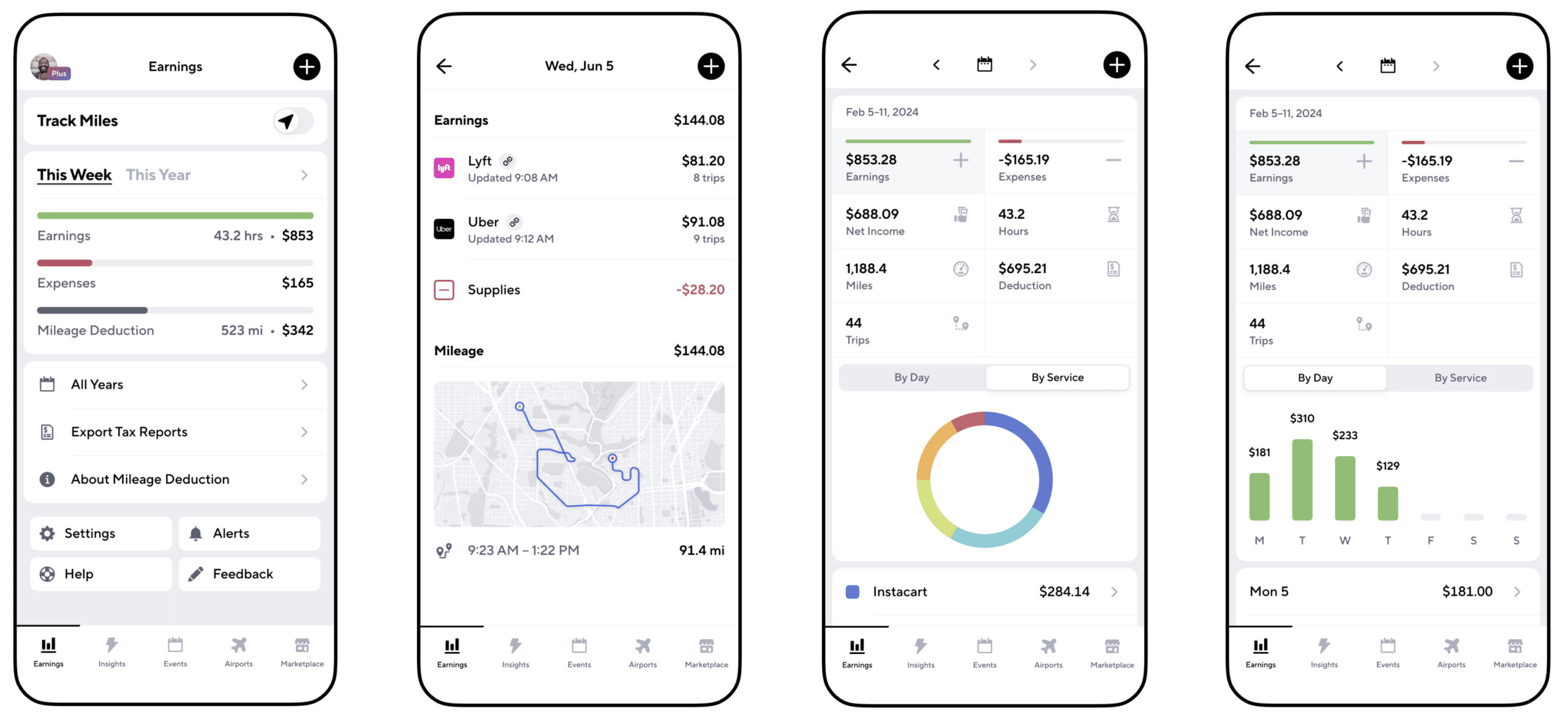
Gridwise App
Gridwise captures every deductible mile you drive, including the distance you cover between the trips your driving app records. Know what expenses you can deduct, and put them to work for you when tax time comes. Learn more about tax deduction strategies in the Gridwise Tax Guide for drivers.
Boost earnings with referrals
As an independent contractor, you’re probably looking for ways to make even more money than you can with Uber Eats. And most gig workers like you enjoy getting passive income. With Uber Eats, there’s a really easy way to do that, referrals!
All you need to do is find friends and encourage them to deliver for Uber Eats. If they make a certain number of deliveries within a specified time, you will get paid for doing nothing more than having them sign up under your referral code! Rates of pay vary by city, so check your Uber Eats app to find out what the current deal might be, and learn more about the referral program on the Uber Eats website.
Also remember: “friends” don’t have to be your best buds. Many delivery people carry cards with a QR code linking to their referral information, so just about anyone you encounter can join Uber Eats and boost your earnings. You could meet a source of passive income at the gas station, on social media, or at your high school reunion. The more you hustle, the more there is to gain, right?
Master the art of self-employment
As an Uber Eats driver, you’re an independent contractor. That means the company isn’t going to withhold your taxes, provide insurance, keep track of your earnings, or tell you about tax deductions. You’ll have to do all these things for yourself.
If you want to maximize your tax advantages, open an official business entity. You can incorporate (create a corporation) or you can work as a limited liability corporation (LLC). You can also work with a DBA (Doing Business As) arrangement, but the corporation or LLC will do a better job of protecting you from liability.
Establishing a corporation or LLC offers better tax advantages than being a sole proprietor. For instance, if you simply collect your earnings into your private account, you’ll be charged self-employment taxes in most states. And paying extra taxes is something we all want to avoid, within legal limits, as much as possible.
Every Uber Eats driver needs to learn about self-employment, and there are some great resources you can review. Check out the CareerOneStop website about self employment which will help explain the basics. You can also check with a professional tax accountant, or look other websites to learn more about actually creating a business.
Scope out your market
Look at the area around you to see where you’re likely to get the most deliveries. Where are all the restaurants? Where might people be more inclined to order deliveries? What hours do you want to drive? What activities might be going on around those times? Think about late-night and after-school times as well as breakfast, lunch, and dinner times.
Be realistic about the potential for your area and aware of new services opening up. For example, in New York, there is already a tab on the Uber Eats app that allows customers to order groceries. In our article about the best food delivery service to work for you’ll see that Uber Eats stacks up well against other delivery companies, mainly because of its potential for expanded opportunities for drivers to earn.
So, is Uber Eats good money? As we said, it isn’t an automatic guarantee that everyone will make $1,000 a week with Uber Eats. Trying out the suggestions we give you here, though, should put you on the right track! Go out there and start stacking up those orders and raking in some impressive earnings!
Get more inside information on Uber Eats in these posts from the Gridwise blog:
- The delivery driver guide: Using the Uber Eats app
- Everything you need to know about driving for Uber Eats
- Uber Eats Pro: What drivers need to know
- Looking for a different gig, part-time or full time job? Check out the Gridwise Job board.
Uber Eats FAQ
How does the Uber Eats platform work for drivers?
Uber Eats is a food delivery service that connects customers with local restaurants and independent delivery partners. As an Uber Eats driver, you'll receive notifications of nearby delivery requests, which you can accept and complete. The platform provides flexibility, allowing you to work on your own schedule and earn money based on the number of deliveries you complete.
What are the requirements to become an Uber Eats delivery partner?
To become an Uber Eats delivery partner, you'll need to meet certain requirements, such as having a valid driver's license, a registered vehicle, and passing a background check.
How can I choose the right delivery zone to maximize my earnings?
Selecting the right delivery zone can significantly impact your earnings, as some areas may have higher demand and better-paying orders. It's important to research and identify the zones in your area that tend to have the most consistent and lucrative delivery opportunities.
How can I take advantage of peak delivery hours and surge pricing?
Understanding peak delivery hours, such as mealtimes and weekends, and taking advantage of surge pricing can boost your earnings. Be aware of when demand is highest in your area and adjust your schedule accordingly to capitalize on these peak periods.
What are some tips for maximizing tips and customer satisfaction?
Providing excellent customer service and going the extra mile to ensure a positive experience can lead to more tips and repeat business. Prioritize communication, timeliness, and attention to detail to keep your customers happy and satisfied.
How can I set realistic weekly goals to reach my $1000 target?
To make $1000 a week with Uber Eats, it's essential to set realistic weekly goals and track your earnings and expenses. Start by determining your target earnings and breaking it down into achievable daily or weekly goals. This will help you stay on track and make adjustments as needed.
What are some strategies for efficient route planning and navigation?
Effective route planning and navigation can save you time and fuel, allowing you to complete more deliveries. Utilize mapping apps and take advantage of features like real-time traffic updates and turn-by-turn directions to find the quickest routes.
How can I balance my Uber Eats deliveries with other commitments?
Develop a schedule that allows you to capitalize on peak delivery hours while still maintaining a healthy work-life balance. Consider using tools like calendar apps to plan your availability and track your hours to ensure you're maximizing your earning potential without sacrificing your personal life.
What are the key considerations for maintaining my vehicle as an Uber Eats driver?
Keeping your car clean and well-maintained is crucial for maximizing your Uber Eats earnings. Regularly scheduled oil changes, tire rotations, and other preventive maintenance can help extend the life of your vehicle and minimize downtime. Additionally, budgeting for vehicle-related expenses, such as fuel, insurance, and repairs, will ensure you're accounting for these costs and maximizing your net earnings.
What are the tax obligations and legal considerations for Uber Eats drivers?
As an Uber Eats delivery driver, it's essential to understand the tax obligations and legal considerations that come with being an independent contractor. This includes properly reporting your earnings, deducting eligible business expenses, and making quarterly estimated tax payments. Additionally, you'll need to ensure you have the appropriate insurance coverage, such as personal auto insurance and possibly commercial auto insurance, to protect yourself and your vehicle while on the road making deliveries.

The Gridwise Job Board: Find Your Ideal Job or Gig Work
Gridwise is an essential assistant app created by gig workers for gig workers. Our mission is to support those engaged in gig work in every way possible. We understand how challenging it can be to deal with income instability, a lack of benefits, and job insecurity that often comes with gig work. The Gridwise app tracks and organizes earnings and expenses, and offers a wide array of discounts, deals, and services that make the lives of independent contractors easier and more rewarding.
We firmly believe it’s possible to make a viable living and create a gig experience that offers flexible hours, variety, and excitement. With issues such as consistent earnings and job security in mind, Gridwise is proud to offer a centralized platform that shows you how to find gig work and secure reliable opportunities. We’re proud to introduce the Gridwise Job Board.
The Gridwise Job Board: Key features
Because Gridwise is dedicated to serving the gig worker community, we’ve filled the Gridwise Job Board with useful features that won’t waste your precious time.
- Comprehensive listings. Find part-time, full-time, temporary, and per-task work. Drive or deliver with your vehicle, utilize an employer’s vehicle, or even find non-driving gig work.
- User-friendly interface. Find the jobs that are right for you with a tap of your screen.
- Verified opportunities. We vet the jobs before they are listed to ensure you’re getting high-quality job postings.
How to get more gig work, seasonal, part-time or full-time jobs with the Gridwise Job Board
Looking specifically for “gig work apps” or “gig jobs near me?” You’re in luck. Our filters and search functions send you directly to the listings you seek.
Here’s how it works.
- Access the Job Board via the Gridwise website.
- Search for jobs by type, location, and more.
- Select the job that interests you, and read all about it.
- Scroll through the description, and if it appeals to you, click “Apply for job.”
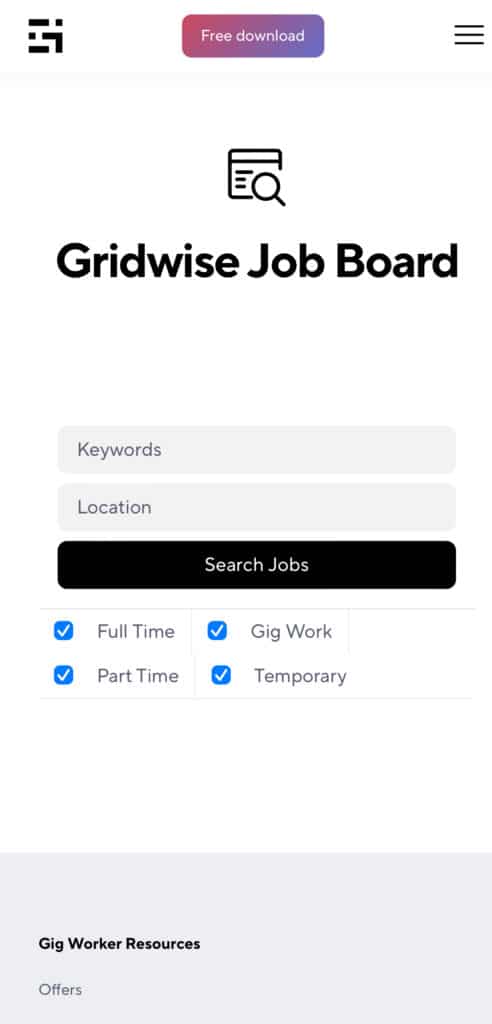
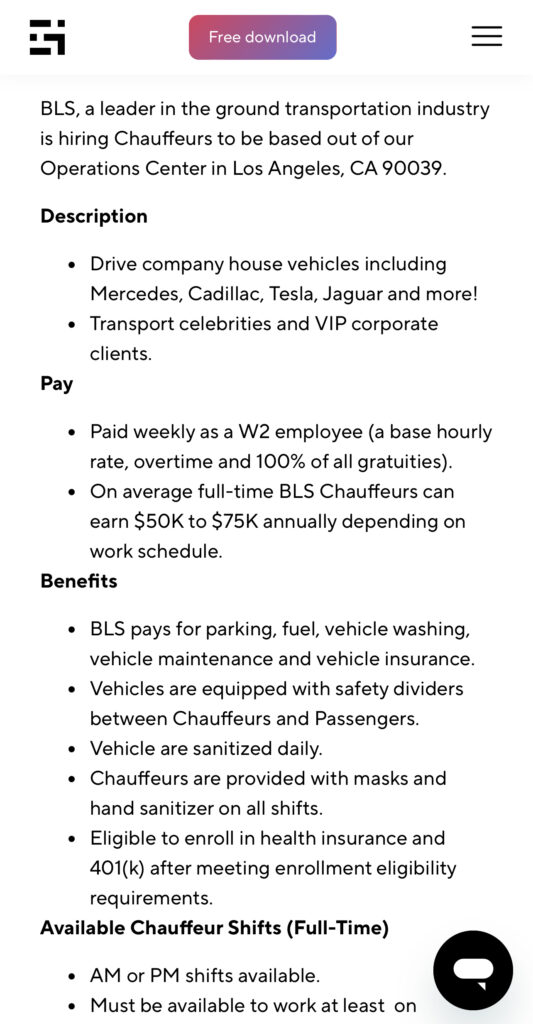
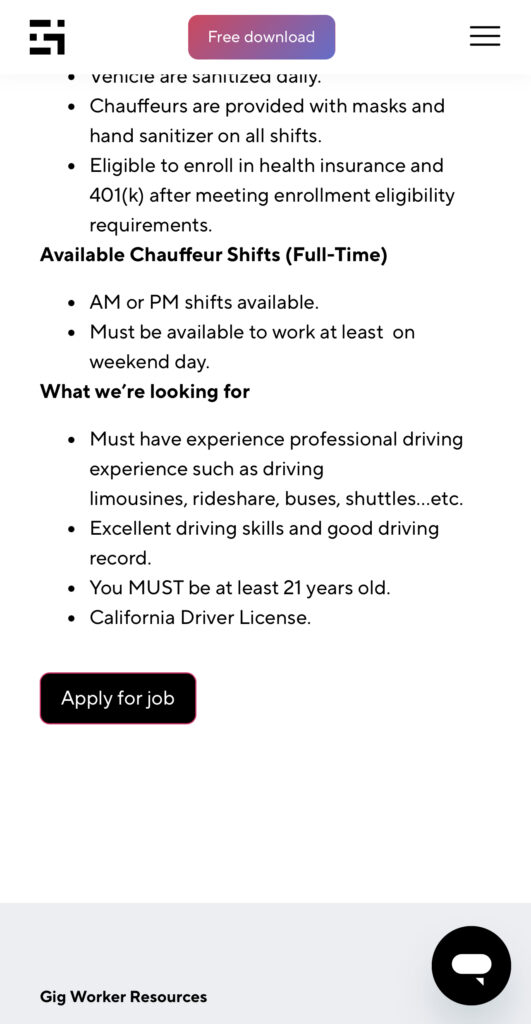
Many types of jobs are available. Adjust the search filter to see the full variety of opportunities that will let you cash in. Deliver food, set up catering, do rideshare driving, get paid for doing package delivery, and much more. You’ll find short-term gigs, long-term contracts, and part-time positions.
Perks of the Gridwise Job Board for gig workers
Gig workers who know how to make extra money will appreciate how the Gridwise Job Board lets you multiply your chances of bringing in big earnings. Here’s how:
- Increased stability. Use the Gridwise Job Board to find part-time or permanent jobs in addition to the part-time gigs you already have. Always keep a steady stream of earning opportunities flowing toward you.
- Flexibility and autonomy. Choose jobs that fit your schedule, work around other jobs and family duties, and still leave room for some fun in your life. Discover side hustles to supplement your full-time job, permanently or just for the season.
- Skill development. Find part-time work that lets you use a skill you already have, or try your hand at something new. It’s a smart way to develop a portfolio to showcase what you can do, or even to find permanent employment.
Get Gridwise and stay up to date on the Gridwise Job Board
Gig workers need plenty of information and assistance, and Gridwise is here to give it to you. Download the app and get essential features such as
- seamless earnings tracking
- mileage tracking
- expense recording, including notes
- low-cost and no-cost insurance benefits
- access to affordable medical, dental, vision, mental health, and alternative care
- professional services including legal and financial help
- deals and discounts
- weather, events, and traffic reports
- inside information on where and when to drive
More to know about gig work:

5 Best Mileage Trackers For Gig Drivers
Many drivers ask, “Do I really need a mileage tracking app?” The answer is simple: only if you want to have an accurate count of all the miles you can legally deduct from your taxable income! You might think your rideshare or delivery driving app has got you covered. After all, they do quite a good job of logging the miles you drive while you’re on a trip or delivery. But, if you want to have the best app to track mileage for Uber, Lyft, Doordash, Instacart, or the other apps you may use, you need more. Why is that?
Without a separate tracker, you’re missing the miles you drive in between pings. Did you realize that all the miles you drive, from the moment you begin your shift until it’s over (as long as you don’t drive several miles on a break to hang with your friends), are tax deductible! That means you need something besides your driving app to keep an accurate count of your travels. Read this Gridwise post to see how important it is to keep track of every deductible mile.
You won’t be surprised to hear that there’s an app for tracking miles. In fact, there are several of them. Here, we’re going to tell you about five top mileage tracking apps, and help you figure out which one is best for you.
Before we get to the list and identify the best mileage tracker app, let’s clarify what exactly a mileage tracking app is. According to G2.com’s technology glossary, mileage tracking is done for the purpose of keeping a log of mileage that is either reimbursable or tax deductible.
And yes, of course you can track your miles simply by taking readings on your odometer. But are you really prepared to account for how many miles you drove for personal reasons and subtract them from the total to get your business mileage? Even if you can remember all that and do the arithmetic, if you want an accurate reading of the miles you drive for business, and can therefore deduct, a mileage tracking app will save you a lot of trouble and prevent you from making costly errors.
Plus, as a gig driver, you have specific needs when it comes to a mileage tracker. Ideally, you’d be able to handle mileage tracking and several other functions all in one app. It can be maddening enough to deal with driving apps, particularly if you’re an avid multi-apper. You would want your mileage tracker app to help you keep account of other aspects of your business, including income, expenses, and inside information about the art of gig driving.
Not all mileage apps are equal, to be sure! Let’s look at five of the best apps to track mileage and figure out which is the best app to track mileage with Uber and Lyft, or what mileage tracker app is best for DoorDash.
1. Zoho Expense
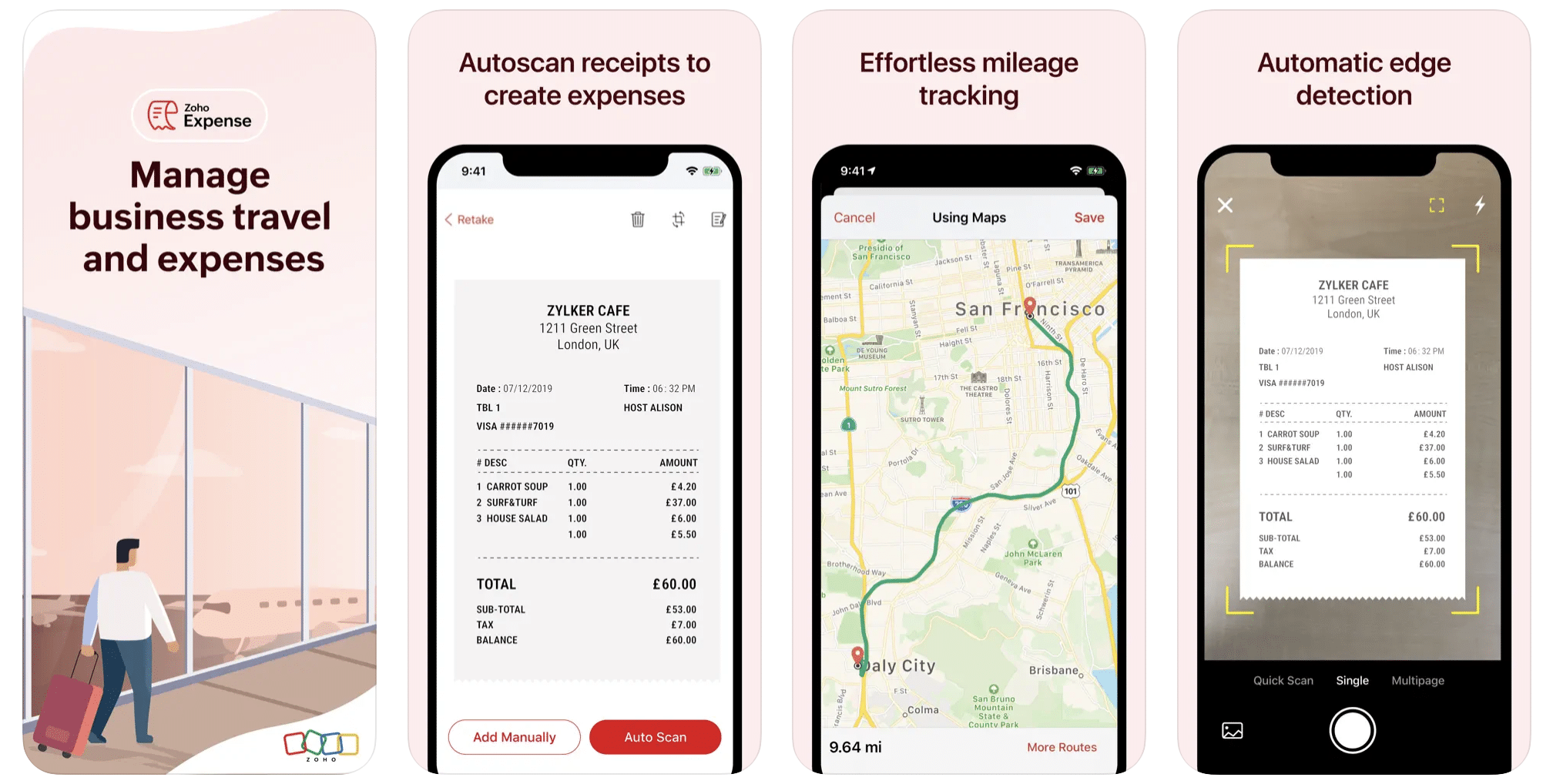
First up is Zoho Expense, which does exactly what its name says. This app is designed to allow companies to give employees a uniform way to create and submit expense reports. It can be used by individuals, including gig drivers, as well.
It includes a mileage tracker, as well as features that let you track other deductible expenses, including the ability to scan and record receipts.
Available on Android and Apple: Yes
Ratings: 4.8 stars on App Store, 4.7 stars on Google Play
Free Version: Yes
Subscription price: $3 per month, billed annually
Created specifically for gig drivers: No
2. Quickbooks Online
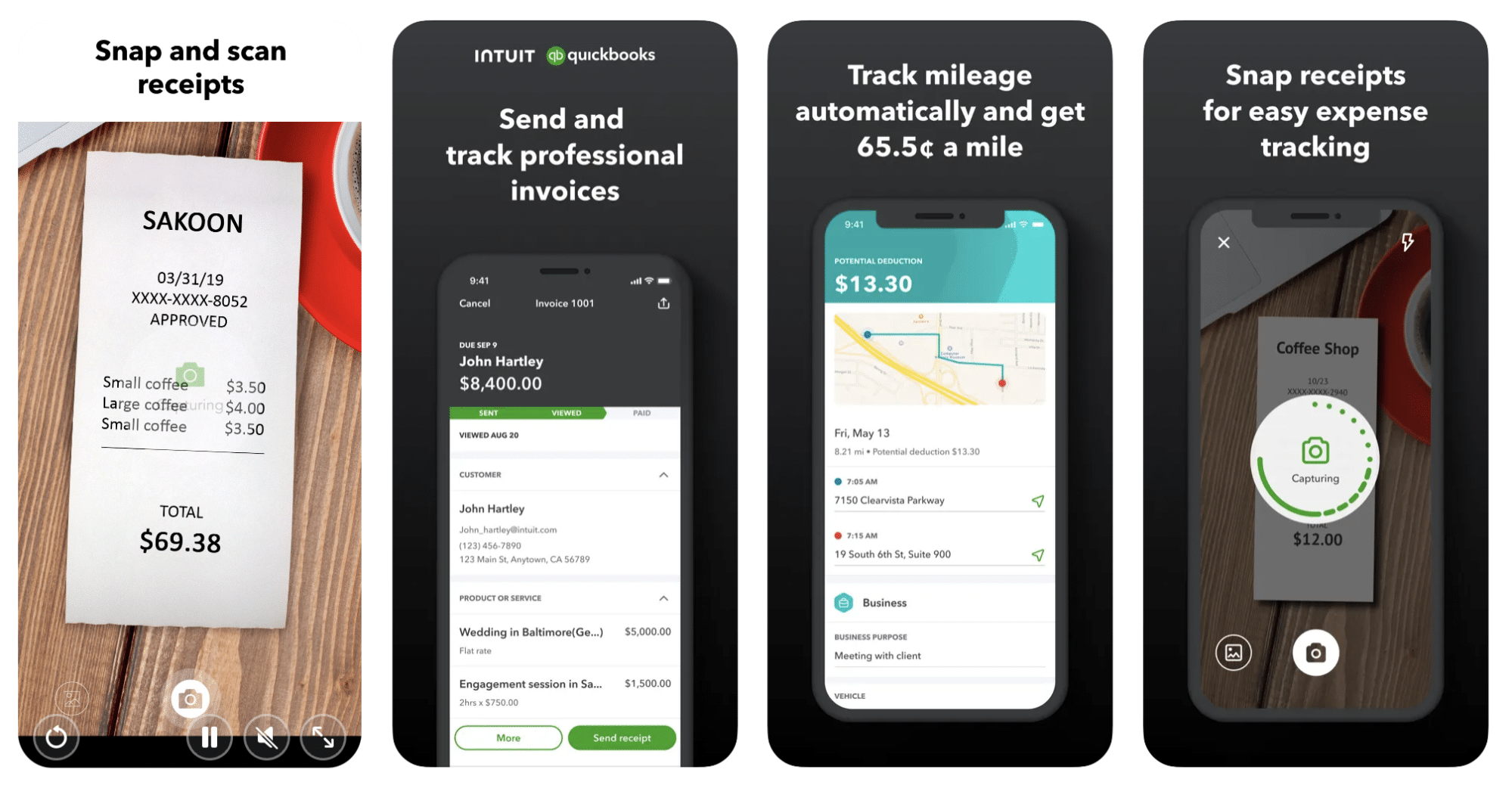
Quickbooks Online is a cloud-based app that allows you to track your mileage, earnings, and expenses. The information you enter can then be used to generate various reports that prepare you for tax time. It also allows you to create graphs that illustrate your cash flow, and includes a receipt scanner so you can instantly record deductible expenses. Quickbooks is popular, highly reliable, and designed mainly to help people keep track of their small businesses.
Available on Android and Apple: Yes
Ratings: 4.7 stars on App Store, 4.4 stars on Google Play
Free version: 30-day free trial
Subscription price: $15 per month for basic version if purchased for 3 months or more
Created specifically for gig drivers: No
Source: quickbooks.intuit.com
3. Shoeboxed
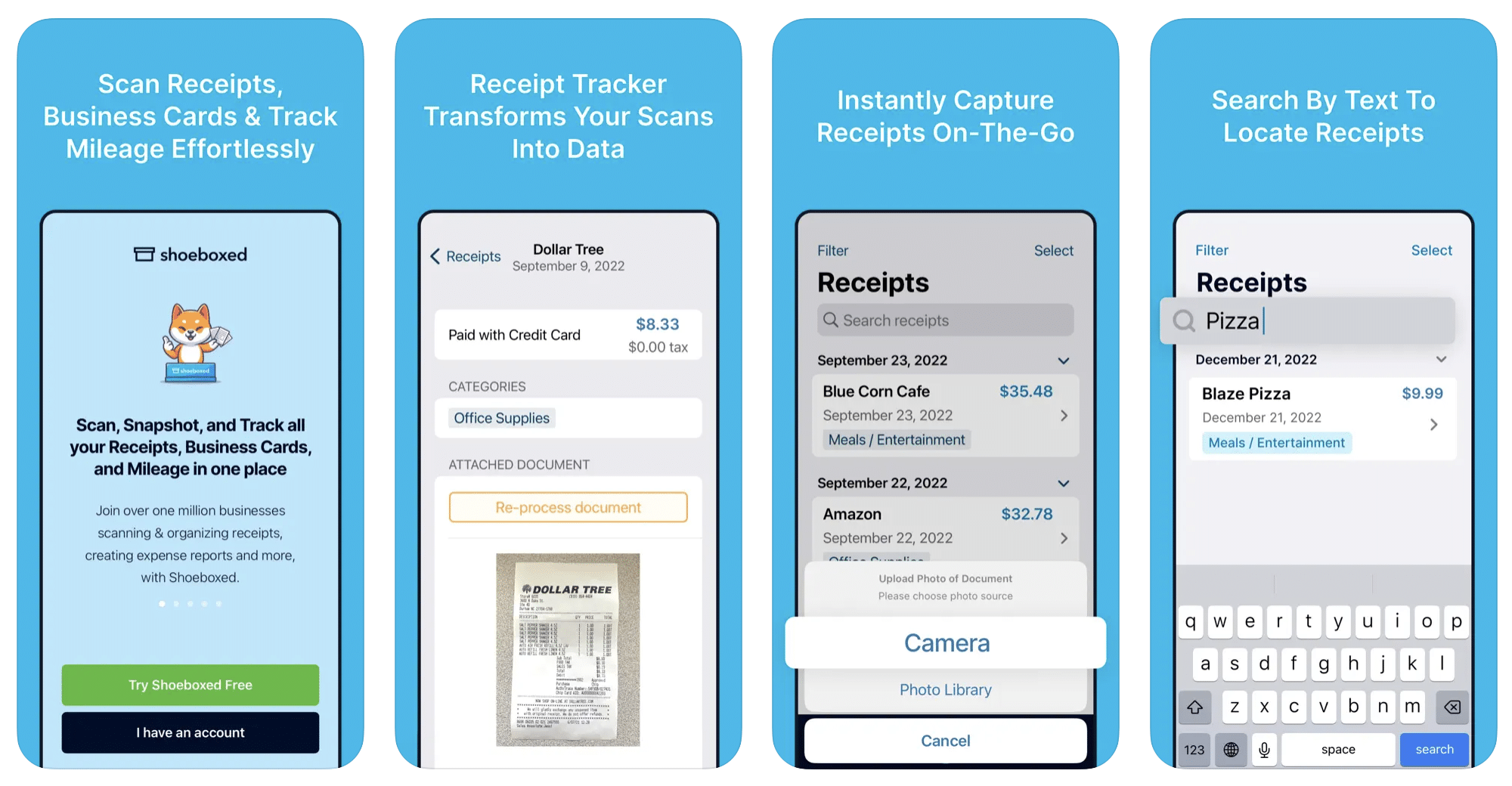
Shoeboxed started in 2007 as a service for scanning paper receipts into digital form. Now the app offers a free mileage tracker and has enabled users to scan receipts directly. It touts itself as the best mileage tracking app for DoorDash, but there are some elements missing that Dashers might like to have. While it provides features that record your expenses and prepare you for tax season, it doesn’t automatically track your earnings. The mileage tracker has a system where you can drop pins along your routes to make the tracking more precise, identifying those legs of a trip that you make for business purposes. The mileage tracker is “free” once you sign up for the basic version.
Available on Android and Apple: Yes
Ratings: 4.5 stars on App Store, 2.3 stars on Google Play
Free version: No
Subscription price: $18 per month for basic version
Created specifically for gig drivers: No
Source: blog.shoeboxed.com
4. Stride
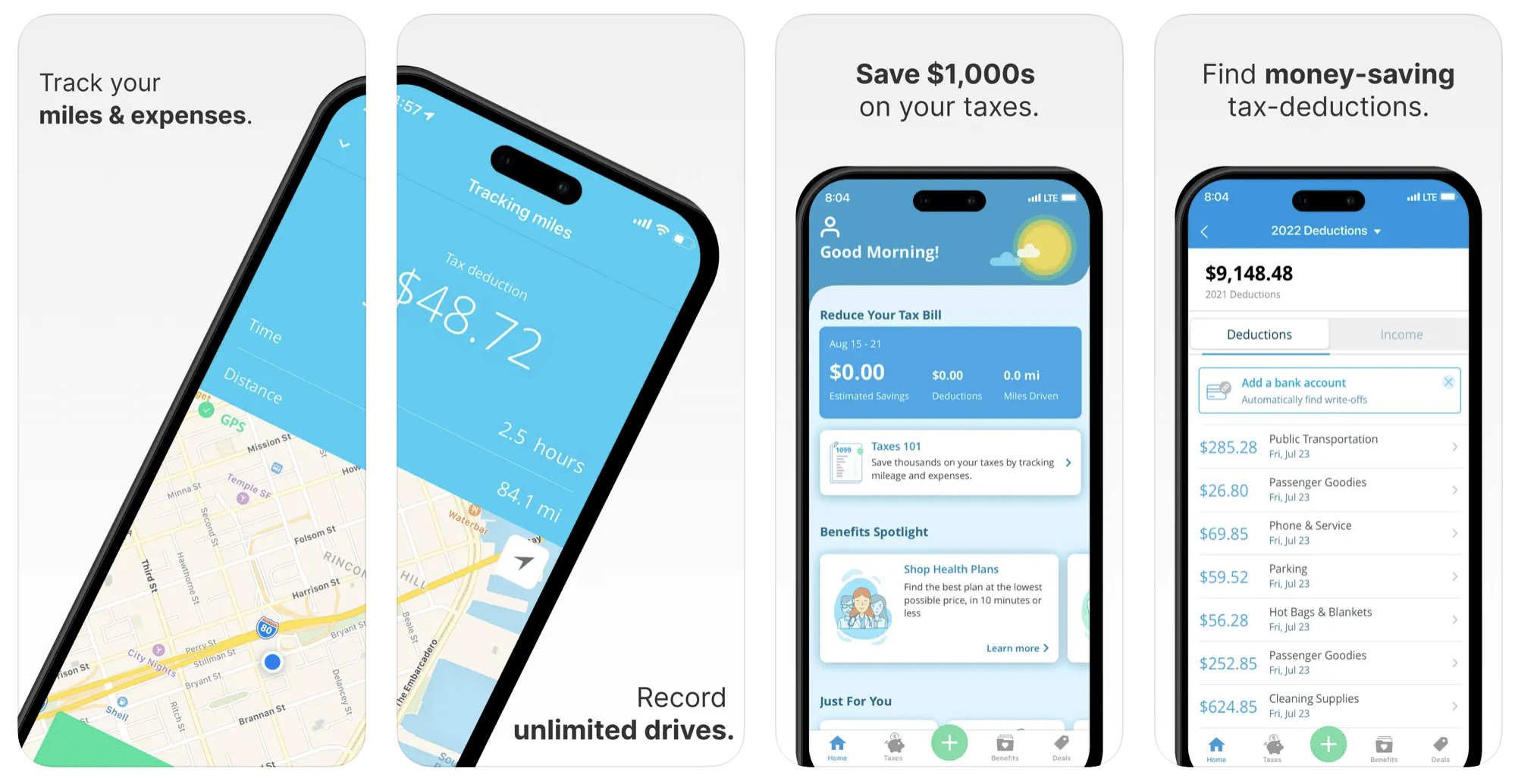
This free mileage tracker does a fair job of keeping track of the distances you rack up while gig driving, but it doesn’t automatically track earnings. It can be a big help, though, in tracking your expenses. You can link Stride to your bank account, and it will automatically scan your expenses to identify items you can potentially deduct. The app is totally free. This could make it the best free mileage tracker app, but there is a small price to pay. The app will persistently push you to consider various insurance plans that they are affiliated with. If you don’t mind that, this is a solid mileage tracker, even if it doesn’t track your earnings.
Available on Android and Apple: Yes
Ratings: 4.8 stars on App Store, 4.6 stars on Google Play
Free version: Yes
Subscription price: None. The app is free.
Created specifically for gig drivers: No
5. Gridwise
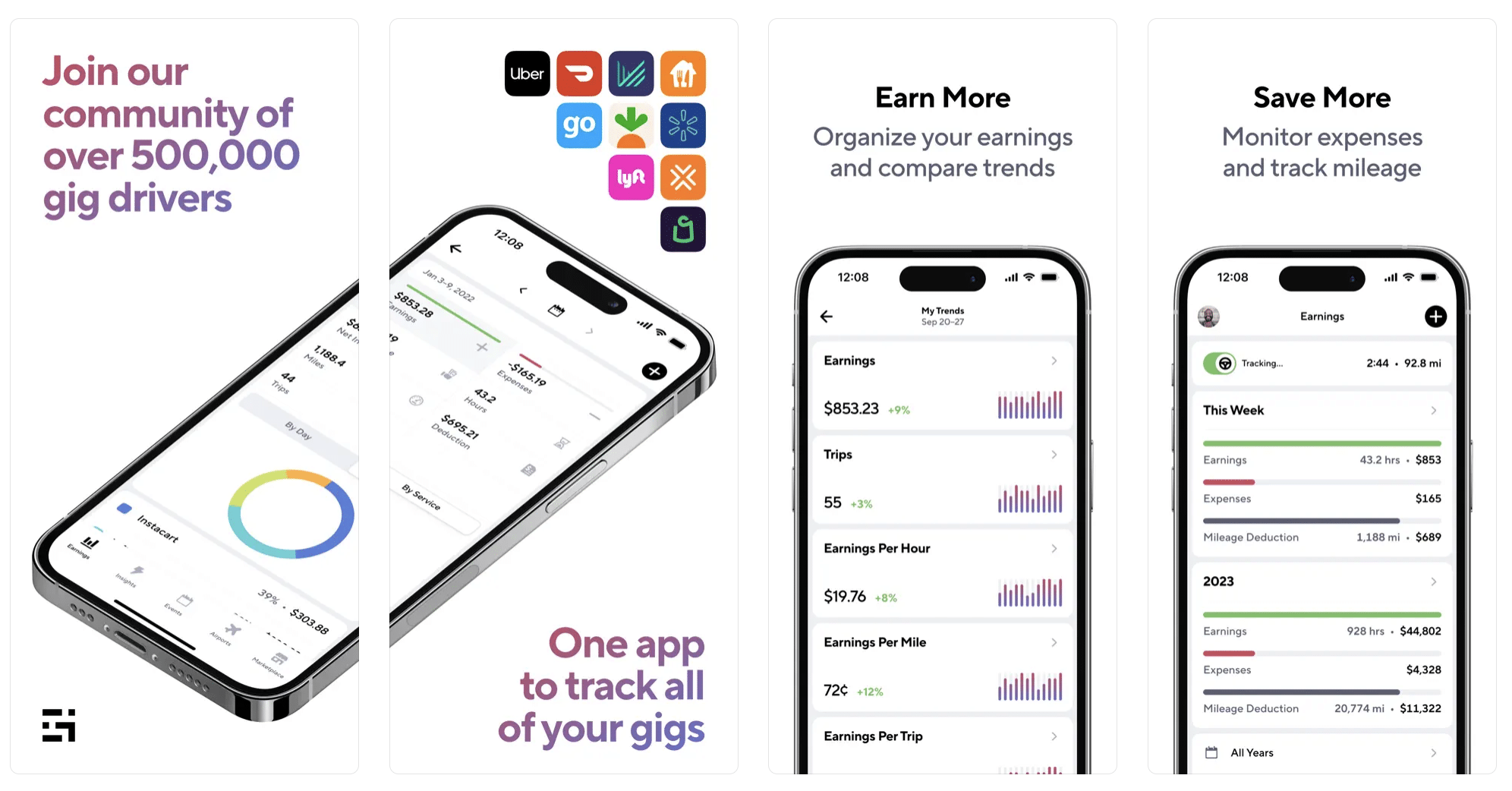
Gridwise has a free mileage tracker and free features that record your income and expenses. It gives you access to insurance and benefits, as well as insights about the best times and places to make the most money while gig driving. The Gridwise mileage tracker captures all the miles you drive while you’re on your driving shift, and it can be used if you have other trips you need to make which qualify as business travel.
Drivers love it because it is geared toward the needs of rideshare and delivery workers, providing free information about airport departures and arrivals, event start and let out times, weather, traffic, and more. The Gridwise Plus subscription adds value by providing additional insights and reports, discounts on benefits, the ability to export data in .csv format,, and more.
Available on Android and Apple: Yes
Ratings: 4.9 stars on App Store, 4.6 stars on Google Play
Free version: Yes
Subscription price: $9.95 per month for Gridwise Plus, or $95.99 per year (a $23.41 savings)
Created specifically for gig drivers: Yes!
What is the best mileage tracking app?
Now that we’ve checked them all out, we’re positive about the answer to that. Hands down, it’s Gridwise. Are we biased? You bet we are! But drivers love it too. Gridwise is the best mileage tracker app, and so much more. So many of the features are free, and the subscription to Gridwise Plus will pay for itself with additional insights to boost your earnings and deeper discounts on products and services.
Most important, Gridwise is designed specifically for gig drivers by experts who were once gig drivers themselves! Knowing what gig drivers need is a crucial step in creating an app that rideshare and delivery drivers can really use! Here are a few of the features, besides mileage tracking:
- seamless earnings tracking
- automatic, on/off toggle and manual mileage tracking
- mileage categorization
- airport, traffic, weather, and events information
- insights into where to drive and when to drive
- reports showing earnings across the platforms you use
- discounts on countless products and services for drivers
- additional resources for finding side gigs
- an informative and comprehensive blog
- affordable benefits, including insurance, medical, dental, and alternative practitioner discounts
- a community of drivers just like you
Don’t settle for just any app. Get the best mileage tracker, and so much more, from Gridwise!
Driver tips: how to handle unruly passengers
Rideshare passengers, by and large, are pretty cool people. Most are friendly, kind, and curious, and some are fun to be with. Most are more than happy to follow the rules and have good conversations, realizing what a great deal it is to have rideshare available as a means of getting where they need to be.
It’s a good thing rideshare driving goes so smoothly most of the time because when it doesn’t, it can quickly turn your dream gig into a nightmare. There’s no doubt: some people just aren’t very courteous, kind, or nice. They may not know the basic rules of rideshare, but too many blatantly break the rules just because it makes things easy for them.
What can drivers do when passengers don’t follow the rules? In this article, we’ll go through the rules unruly riders love to break. First, we’ll cover what you might want to say to your customer; then, we’ll give you some ideas of what you should say if you want to keep the peace … and your job.
Here’s how we’ll cover this aggravating, but very relevant topic:
- How important are the rules of rideshare?
- Rowdy riders and how to handle them
- Ways to avoid rule breakers
- How to reduce rule-breaking in your rideshare vehicle
How important are the rules of rideshare?
Not everyone wants to abide by the rules of the world since it can make it hard for us to do what we want, how we want when we want. But as we all know, rules are a necessary aspect of civilization, including the unspoken rules of the driver-passenger relationship in rideshare.
Rules keep riders and drivers safe from danger. Some dangers might be more obvious than others. Wearing a seatbelt to minimize injury, for example, is a rule that benefits everyone, while using someone else’s account as a rider might not seem to do much harm.
Increasingly, drivers are being asked to enforce rules. The COVID-19 pandemic created the need for the Uber mask policy, and a similar one from Lyft, for both passengers and drivers. Social distancing is hard to do in a car, but having a barrier in your car or not allowing passengers to sit in the front seat is a good way to keep some distance and stay safe. While Uber and Lyft help by informing customers of these and other rules, they don’t always follow them.
Some unpleasant things can happen when a rider goes against the rules. The dangers surrounding the COVID rules are clear, but there are more. Would you like to be stopped and cited for driving with unsupervised children, or worse, small children without a proper restraint? What might happen if another car taps your bumper, and the police come only to discover your passenger has an open container of alcohol in the back seat?
Rideshare drivers aren’t responsible for everything riders do or neglect to do, but you can see how insurance claims, lawsuits, and even criminal charges could be a part of a situation stemming from a customer who breaks the rules. So we maintain that the rules of rideshare are reasonably important.
Let’s look at some of them.
Uber rules for passengers include: providing a car seat for children, following laws, for example, not telling drivers to speed, etc.; not touching any of the controls that operate the vehicle; not carrying firearms, drugs, or open containers of alcohol in the car; no street hailing; and of course, no verbal or physical harassment for any reason.
Lyft has all these same policies, as well as another about the number of passengers permitted. A standard Lyft ride means the driver can only be taking three passengers; larger groups have to order an XL. Also, Lyft likes to remind passengers to be mindful of their driver’s time when making multiple stops.
Really, there aren’t that many rules for rideshare, and most make a lot of sense. If you haven't experienced rider complications yet, unfortunately, you’ll most likely encounter situations where your passengers attempt to put you, as well as themselves, in jeopardy.
The unruly passengers and how to handle them
Some riders don’t look “rowdy” on the surface, but their behavior can put them into the category of “out of control.” Let’s look at some common scenarios involving rule-breaking riders, what you as a driver might want to say, and then how you can handle the situation better ... with grace and professionalism. Here are some examples of unruly passengers and how to handle them:
The parents without a clue – or a car seat
Think about this scenario: a couple along with their two young children, are waiting at their set pickup location. The parents did not bring a car seat for either child. As they pile into your vehicle, you feel anxious about the what-ifs. What if a car hits you from behind and the children are not safely secured? What if you have to slam on your brakes and one of the kids hits their head and starts bleeding?
What you want to say: “Seriously?? What parents don’t want to protect their kids from getting killed in a car accident? There’s no way I’m taking you in this vehicle. I’m canceling this ride right now, and until you get car seats for your children, I suggest you not even think about calling another driver. Good luck paying for those kids’ physical therapy one day!”
What you should say: “Before you get into the vehicle, I need to remind you that (Uber or Lyft) has a strict rule that states you have to provide car seats for your children. It’s illegal for me to drive with children who are not safely restrained. I’m sorry, but I will have to cancel the ride.”
In most cases, the classy way of saying you’re not going to take this potential catastrophe in your vehicle will work. Sometimes passengers might be rude to you in this type of situation, but if they are, your best bet is to roll up the window and drive away. You’ve just saved those kids, and yourself, from a potential disaster, so the next time you stop, pat yourself on the back.
The intoxicated passenger
While cruising around your local university on a Friday night, you come across your next ride. Three underage students are wobbling to your car. They’re holding big red plastic cups that carry the remnants of one of many alcohol-laden drinks they’ve had that evening. They don’t dump the booze out before getting into the car and act like you don’t see or smell what they’re still drinking – in your back seat.
What you want to say: “Look, I know you need adult supervision, but I’m not it. Dump the booze outside of the car or there’s no ride home for you tonight.”
What you should say: “I realize everybody’s having fun tonight, but riding in my (Uber or Lyft) car is serious business. You can’t have open containers of alcohol in my vehicle. Please either dump your drinks before you get in, or I’ll just cancel the ride and you can finish them before you call another driver.”
Hopefully, a calm, firm tone of voice will take care of this problem. If it doesn’t, refuse the ride, cancel it, and report them and their reckless behavior. You’ll be doing them a favor, even if they don’t see it that way.
The maskless rider
It happens – we all know it. Even though passengers have to take a selfie of themselves wearing a mask before they’re allowed to use the app, some riders will still show up without one. They might be just careless, or they could be inebriated. In either case, they’re breaking an important policy, and you don’t want them to be in your car without a mask.
What you want to say: “Can you tell me what part of the sentence ‘You must wear a mask to ride in this vehicle’ you don’t understand? Do you really think I want to have you sneeze, cough, and drool your disgusting and potentially deadly germs on me?”
What you should say: “I need you to wear a mask to ride in the vehicle with me. If you don’t have one, I can provide one for you, or I can cancel the ride so you can go and get your own mask before you call another driver.”
It really does pay to keep some fresh paper masks in your car for such scenarios. If the person refuses to put it on, you are well within your rights to refuse the ride. Let them know that, and they’ll probably cooperate without too much fuss.
The oversized group
You’ll probably run into this around schools and universities, but young people aren’t the only offenders. Inebriated adults coming out of a bar together or frustrated from being pushed around at a crowded concert or ballgame will say something like: “Come on, can’t you just squeeze in one more?”
What you want to say: “Ohhhhhhh no, cheapskate. You’re not piling into my vehicle just because you’re too much of a tightwad to order two cars for your oversized group. I’m only taking three – that’s the rules of the road.”
What you should say: It's against the rules, and the law, for me to take more riders than I have seatbelts for in my car. And with COVID, no one can sit in the front seat. I have to keep us all safe. I’m sure there’s another driver in the area who’ll be glad to pick up the rest of your group.”
You can begin by saying, “Sorry” if you want to soften your pitch some, but remain firm and don’t let them bully you. People really do try to do some crazy things when they’re desperate for a ride. It’s up to you to make sure everyone avoids injury, and that your insurance will continue to cover you in case there’s an accident. Breaking a rule like this one could nullify an insurance claim in a nanosecond.
The stolen or mistaken identity
Oh, yes. People do it all the time. While it’s okay for an Uber or Lyft customer to get a ride for a friend, it’s against the rules for them to say “Marsha” is going to be the passenger when “Marvin” is waiting for you at the pickup point. This happens so often, it’s almost the norm. To go by the rules, you should cancel the ride. After all …“Marvin” could be the potential ax murderer that’s been banned by both Uber and Lyft.
What you want to say: “Hellooo?? You’re not Marsha. What makes you think I’m going to take you on this ride? Go back to the person who called for this trip and tell them they’re not supposed to let other people impersonate them or use this service without my knowing who I’m taking in the car. There are ways of doing this, and this is NOT it.”
What you should say: “Are you Marsha? I’m sorry but if you aren’t the owner of the account, and I wasn't aware that this ride was for someone else, I can’t accept it. I’ll have to cancel this ride, I’m afraid.”
Really, fear is the last thing you should have as a driver, and you shouldn’t be shy about canceling a ride on these grounds. It’s easy enough to get an account with Lyft or Uber. If someone doesn’t have one, there might be some really good reasons … such as, they’ve violated the rules before.
The unsupervised kid
Then there are the parents who think it’s okay for you to drive their kids while they’re not with them. In case you missed this fun fact, it is not allowed. Account-holders must be 18 for both Lyft and Uber. While you’re not responsible for checking IDs as a driver, you wouldn’t want to be accused of any kind of crime because you took younger children without their parents being present. Also, it’s simply against the rules.
What you want to say: “Do I look like your nanny? You can’t ride without a parent or guardian in the car with you. Go back and tell your mommy or daddy that they have to follow the rules just like everybody else. You’re not getting into this car.”
What you should say: Your parents probably didn’t know this, but neither Uber nor Lyft allows drivers to take kids under 18 in the car without a parent being present. I’m sorry, but I’m not able to take you where you need to go.”
The issue of transporting minor children is especially dicey. This can be an insurance issue as well as a legal one - for you. The parents involved should be locked in a room with the others who don’t bring car seats for their little ones.
Ways to avoid rule breakers
Sometimes it’s just not possible to avoid these or other rule-breakers, but you can surely try. For instance, if you're not good with drunks, you’ll want to avoid the times and places that will draw them out. Or, if you want to avoid big events and big crowds, it’s a good idea to know when and where they’ll be taking place.
How can you know all these things without driving yourself crazy doing it by trial and error? Gridwise has got your back.
Look for the places where you’ll want to be with Where to Drive, a new feature that’s coming soon from Gridwise. The graphics that come with Where to Drive, give you an easy read on the busiest areas throughout the day.
When you click on the Where to Drive icon on the Home screen, you can expand your options:
You’ll want to know the best times to drive, too.
Gridwise recently released another new feature called When to Drive. Using information from actual Gridwise drivers, When to Drive gives you pictures of the best times to drive in your area – possibly avoiding some of those characters you'd rather not come across. Here’s a sample:
Gridwise does all this and more. With the “Ultimate Rideshare and Delivery Assistant” you also get:
- Airport information: arrivals, departures, and queue lengths at your location;
- Weather: current information and weather alerts;
- Traffic: traffic alerts;
- Gas deals: save up to $0.25 per gallon with Gridwise Gas
- Event information: everything you need to know about local events.
Gridwise can’t guarantee that knowing where and when you can make the most money will let you totally avoid unruly riders, but increasing your earnings will make it seem a lot less frustrating when you have to deal with them. Download the app now and see for yourself!
How to reduce rule-breaking in your rideshare vehicle
There’s really no way to totally eliminate the hassle of handling people who break the rules, but you can make it happen less often. Here are some suggestions:
Post friendly reminders in your car. Make a sign that has rule reminders on it. Use wording that’s courteous but firm, such as “Keep us all safe – wear a mask,” or “Ride now, party later. Please, no open containers in the car.” Be mindful not to use logos or make the signs look like they came from your company. Uber brand guidelines, as well as those from Lyft, are pretty strict.
Set personal boundaries. Even when riders are nice, you’re not there to make friends with them. Always maintain a professional distance, both physically and socially, from your passengers. Even if it’s not as much fun, it will pay off.
Don’t be afraid to cancel the ride. If you cancel the ride due to a rule being broken, you will still be paid a cancellation fee. The Uber cancellation fee and Lyft cancellation fee are in place to make sure you get some payment simply for going to pick up the passenger. In most cases, you’ll get around $5, particularly if your passenger refuses to wear a mask.
Report bad rider behavior to your company. You can use the words “I’ll have to report you (to either Uber or Lyft) if you don’t wear your mask,” to encourage your rider to do the right thing – but unless you follow up on it, you could get into trouble. Passengers are quick to report drivers, and they are not above concocting stories that make them look good and you look not-so-good. That’s why it’s key to report riders who break rules, so your company gets your side of the story. Most of the time, you’ll probably come out looking like the good egg you are.
Check these Gridwise blog posts for more details on contacting driver support for Uber and Lyft.
We hope this post helps you deal with problematic passengers, and also shows you that you’re not alone. If you have some stories for us, or you’d like to share ideas with the driver community, leave a comment below. Better yet, join us on Facebook for solid discussions and driver-oriented fun.
Lesser-known food delivery apps mean more earnings opportunities!
Big budgets mean big names. If you’re in the food delivery game, you already know about Grubhub, Uber Eats, and DoorDash. But do the delivery giants provide the best opportunities for drivers? Or are they just banking on their publicity to keep them going?
In today’s age of supporting local businesses, there’s an abundance of other opportunities for drivers to diversify their earnings and find a delivery opportunity that fits their business best.
To help you find the right fit, we’re taking a look at some of the quieter voices in delivery: Caviar, Seamless, Bite Squad, and EatStreet.
We’ll break each one down to find out:
- Who they are
- Where they’re available
- How they’re different from larger names
- The benefits and driver perks of each company
Here’s to the little guy! Let’s give ‘em a chance... oh, and be sure to stick around to the end of this post because EatStreet has a surprise in store.
Caviar
Overview
DoorDash acquired Caviar at the end of 2019. As of August 24, 2020, all Caviar opportunities come through the Dasher app.
Caviar itself was founded in 2012 as a food delivery logistics platform that connects drivers, merchants, and customers to facilitate order delivery.
Availability
Caviar still onboards new restaurants in its service regions, including:
BostonPortlandBrooklyn and Queens, NYSacrementoChicagoSan DiegoDallasSan FranciscoFort WorthSeattlePhiladelphiaSouth JerseyLos AngelesWashington, D.C.ManhattanMarin County (Northern California)
How Caviar is different
Well, it isn’t really. Since being acquired, Caviar provides essentially the same service as DoorDash would on its own. Customers can order directly through Caviar, but all deliveries come through the Dasher app, which means more delivery opportunities for drivers.
Caviar for drivers
Drivers with DoorDash can accept Caviar deliveries directly through the Dasher app. This is good news since again, it means more opportunities to earn and potentially higher delivery volume if you live in one of Caviar’s service areas.
Benefits and earnings for drivers remain the same as they are for all Dashers whether you’re delivering a Caviar or a DoorDash order.
For drivers already delivering with Caviar, the influx of capital provided by the acquisition should offer an easy transition over to the Dasher platform.
Seamless
Overview
Seamless is to Grubhub as Caviar is to DoorDash. No, that’s not an ACT question. Seamless is proudly “powered by Grubhub” and is a delivery platform that seamlessly (get it?) connects hungry people with delicious food.
Orders placed with Seamless and Grubhub are both offered to drivers through the Grubhub driver app.
Availability
Grubhub is one of the largest on-demand food delivery services, servicing more than 4,000 cities across the U.S. Seamless, meanwhile, is only available in about 450 cities. That’s still no small number, and having both seamless and Grubhub in your city could mean a higher demand for food delivery.
How Seamless is different
Apart from the smaller service area, Seamless seems to suffer in two key ways. First, customers tend to prefer Grubhub because it’s so widely known, despite the apps having an identical interface. Restaurants also prefer listing themselves on Grubhub over Seamless and have actively requested customers not to order through Seamless on various occasions.
Collectively, these differences won’t have much of an impact on Seamless (Grubhub) drivers since all orders are processed through the Grubhub driver app. However, some evidence suggests that tips are smaller with Seamless orders due to its lesser popularity.
Seamless for drivers
With the potential for smaller tips and the backlash of restaurants against the Seamless platform, it doesn’t look like a great option for drivers. Thankfully, there isn’t much choice to be made as both Grubhub and Seamless deliveries are available in the driver app.
All in all, Seamless just provides another avenue for customers to place orders, which hopefully means more opportunities to earn.
Bite Squad
Now we’re getting somewhere. Bite Squad is a standalone food delivery app, but does it have what it takes to make it independently? Let’s see...
Overview
Waitr acquired Minneapolis-based Bite Squad at the end of 2018. Based on Waitr’s recent financial report, the future success of Bite Squad is uncertain at best. The company already announced plans to stop services in certain areas after struggling to claim any more than a single-digit market share.
Availability
Currently, Bite Squad offers delivery opportunities for drivers located in:
ArkansasOklahomaFloridaSouth CarolinaNorthern CaliforniaSouth DakotaHawaiiTennesseeMinnesotaTexasMississippiWisconsinOhioNorth Dakota
How Bite Squad is different
Unlike Seamless and Caviar, Bite Squad is a true competitor of some big names in on-demand food delivery. Bite Squad drivers are actually employed through a third-party company called Delivery Logistics that serves both Bite Squad and its parent company, Waitr.
According to Glassdoor, the Bite Squad pay out for drivers averages at $12/hour, which is a bit below the average for most rideshare and delivery drivers around the country.
Bite Squad for drivers
Choosing a delivery app to drive for can be tricky, and there’s really no way to know how it will perform in your area until you give it a try.
If you’re looking to pick up more orders, and if Bite Squad serves your city, it might be worth downloading the app and giving it a try. The platform promises same-day approval for drivers to get you on the road fast.
However, due to its slipping market share and recent pullback from some markets, we don’t recommend making Bite Squad your primary source of income.
EatStreet
Overview
Based in Madison, Wisconsin, EatStreet is starting to make a name for itself in food delivery. The platform announced its place as the official food delivery partner of the NBA team, the Milwaukee Bucks.
While this might not seem like a big deal, particularly if you’re not an NBA fan, it does show that EatStreet is serious about growing its services to take on larger delivery companies.
Availability
EatStreet is currently available in 39 states and nearly 100 cities throughout the U.S. For a complete list, check out its website.
How EatStreet is different
EatStreet is the only platform on our list that is still in control of its own operations and has not been acquired by a larger company. In the highly competitive world of food delivery, that is quite a feat.
EatStreet for drivers
Here’s the big news … EatStreet drivers are actual employees of the company. Drivers receive regular bonuses, earn overtime if they work more than 40 hours in a week, and even have access to employee break rooms in some markets. Plus, delivery areas are defined to avoid unnecessary travel.
One potential drawback is that EatStreet still isn’t as well known as the larger platforms, so delivery volume can be low. However, with the battle over driver’s rights raging (consider California’s recent decision on Prop 22), actually employing drivers could prove to be a major leg up for EatStreet moving forward.
The takeaways
While not every small name has been able to break into the market in a big way, the massive growth opportunities for business in on-demand delivery has forced companies to get creative. This leads to new opportunities for drivers to earn and might force major market changes to overhaul what it means to be a gig driver.
If these apps are available in your area, it’s worth taking a look to see if they offer the added delivery opportunities that can help you earn more.
Track all of your important stats with Gridwise!
Making a full-time or even part-time income from delivery and rideshare apps usually requires you to perform quite a balancing act. Drivers operating on multiple platforms need a way to easily track all of their earnings and mileage to get an accurate picture of how they’re performing.
If you’re looking for a spotter, look no further than Gridwise! The #1 gig-driving assistant pulls together all of your driver data, so you can see exactly how much you’re earning at a glance, all in one centralized location.
Plus, we provide you with driver perks and an engaged community to take your earnings to the next level. So download the app today and get started on the path to higher earnings!
And if you have experience driving with one of these companies, we’d love to hear from you. Drop us a comment below or join our Facebook Group!
How to make the most out of your part-time driving gig
Breaking news: you don't have to settle for part-time earnings just because you're a part-time driver! With a bit of planning and a strategy, you can squeeze a little more from your side hustles.
In any business, there are two ways to maximize your earnings: increase your revenue and lower your costs.
In this article, we offer 9 tips and strategies so can find the balance of gig magic that works for you; earning you more for every mile. Here's a list of tips on how to make more money as a part-time driver:
- Know your market
- Schedule in advance
- Be selective in choosing your orders
- Aim for higher tips
- Rent a vehicle from a friend
- Rent your car to others
- Make money from advertising
- Become a multi-apper
- Lower maintenance costs and other expenses
Know your market
Your location plays the most important role in determining your earnings as a rideshare and a delivery driver.
For example, if your area is packed with top restaurants, becoming a delivery driver will be more profitable than if you’re located in a more urban location.
If you stay closer to a busy airport or travel hub, ridesharing might bring more revenue.
Finding your top earning activity might take some time, and it will definitely require on-demand data trends to help you identify the high-earning hours.
Utilize Gridwise to help you decide on the best times and places to drive. Our app allows you to automatically track and compare your earnings across different platforms with easy-to-use graphics, so you can pick the one that works best for you.
Schedule in advance
To avoid an oversupply of drivers on the road, delivery platforms like DoorDash require drivers to schedule their availability in advance. Tapping in once the booking window opens allows you to pick the most lucrative slots that cover peak driving hours.
It’s always best to have your available times mapped out before hours open up in the app so you can create your schedule without having to think about your other obligations during the week.
For rideshare drivers, keep track of the high-volume flight times with Gridwise! Use Gridwise as your go-to driving sidekick; all you have to do is download the Gridwise app, create an account, and check out the airports tab to see the amount of passengers on each flight and when each flight is coming in and going out of your city every day. Gridwise also lets you customize flight and event alerts so you know what to expect when you’re expecting!
Be selective in choosing your orders
Time is a scarce resource, even more so when you are working part-time. To make as much money as possible during your time out on the road, you have to be selective in choosing your orders, and this might require a different strategy than drivers who work full-time.
Accepting only higher-value orders can get you better pay per order, but it means taking a hit on your order acceptance rate. Cherry-picking higher value orders also means you may not qualify for reward programs like Top Dasher.
However, these programs are usually designed to reward drivers for high volume over multiple hours. If you only have a few hours to drive here and there, it’s still more profitable to maximize your earnings per order.
Aim for higher tips
Simple, yes. But increasing your tips is one of the best ways to increase your earnings when your working hours are limited.
Using insulated delivery bags, a cooler for drinks, and maintaining a supply of paper plates, napkins, straws, etc. for situations when a customer needs them are easy ways to impress and score a big tip from the customer.
Always be polite, presentable, and clear when you communicate with all your customers. Aim to surprise them by anticipating their needs and make sure that you always ask for clarification when you believe something is missing from their order. Make a note of the customers who tip you well and see if you can incorporate the success from their order into others.
Rent a vehicle from a friend
Instead of searching something generic like "rent a vehicle near me" that may take hours up hours to find the right rental car, message a friend! To save on fees, try renting a vehicle from a friend rather than a business and remember that you can also make money as a delivery driver even without a car. While this might seem like a stretch, think about what you can offer your friend in return. You might be able to help them cover the monthly payments, maintenance costs and offset the price of insurance.
The primary advantage of negotiating a deal with a friend rather than a company is flexibility. As long as you're communicating and setting a reasonable schedule, you can have access to a ride for your gig without having to shell out for a monthly rental or regularly pay service fees for daily rentals.
Rent your car to others
Does your car just sit when you’re not working? If so, then you’re not making the most of your assets.
When you know you won't be using your car for a few days or you're going on vacation, consider listing your car on a car rental site. Services like HyreCar bring together car owners and those looking to rent cars on a short-term basis. And the best part is you can set your own price and availability to work for your schedule.
Make money from advertising
If you use your own car for rideshare and delivery, one effortless way to make some extra cash is to wrap it in advertising decals. Companies such as Wrapify pay car owners up to $450 a month (depending on wrap type and campaign structure) to display their ads on drivers’ cars.
You have to drive the car for a specified minimum number of miles per day or month to qualify for the payment, a requirement you’re more than likely to meet as a delivery driver even if you work part-time.
Plus, you can help your vehicle and service stand out if you get in with a cool brand.
Become a multi-apper
Use multiple rideshare and delivery platforms to make sure you don’t lose any time waiting for orders. This is how the full-time drivers really pump their earnings. Even if you are working part-time, it’s worth your time and efforts to register on multiple apps to have a steady stream of orders across apps. Having an influx of orders also gives you the option to pick and choose those with a better payout.
The best part is, with Gridwise, you can compare your earnings across all of your driving platforms to help you determine which driving service you should focus your time on.
But don’t just limit yourself to the popular apps! Sometimes, the real money is in niche delivery businesses that may be willing to pay more to attract drivers to the platform. So, keep an eye out for these opportunities!
Lower maintenance costs and other expenses
Using your car for delivery jobs will involve maintenance costs from general wear and tear. While you can’t eliminate or avoid these costs, you can keep them under control by following a few best practices:
- Drive your car with care
- Avoid unnecessary exposure to extreme weather conditions
- Perform regular preventive maintenance
- Limit leisure driving
By tracking your miles, you can claim tax deductions that can add up to thousands of dollars in tax savings. As of 2020, the IRS’s standard mileage deduction rate is 57.5¢ per mile. To put that into perspective, if you drive 10,000 miles a year for rideshare and delivery services, $5,750 of your yearly earnings will be tax-free.
Gridwise helps you track your miles and claim deductions with ease. Just download the app, and start saving today! And if you have a money-maximizing tip you use in your business, leave a comment below or share it with us on our Facebook community page!
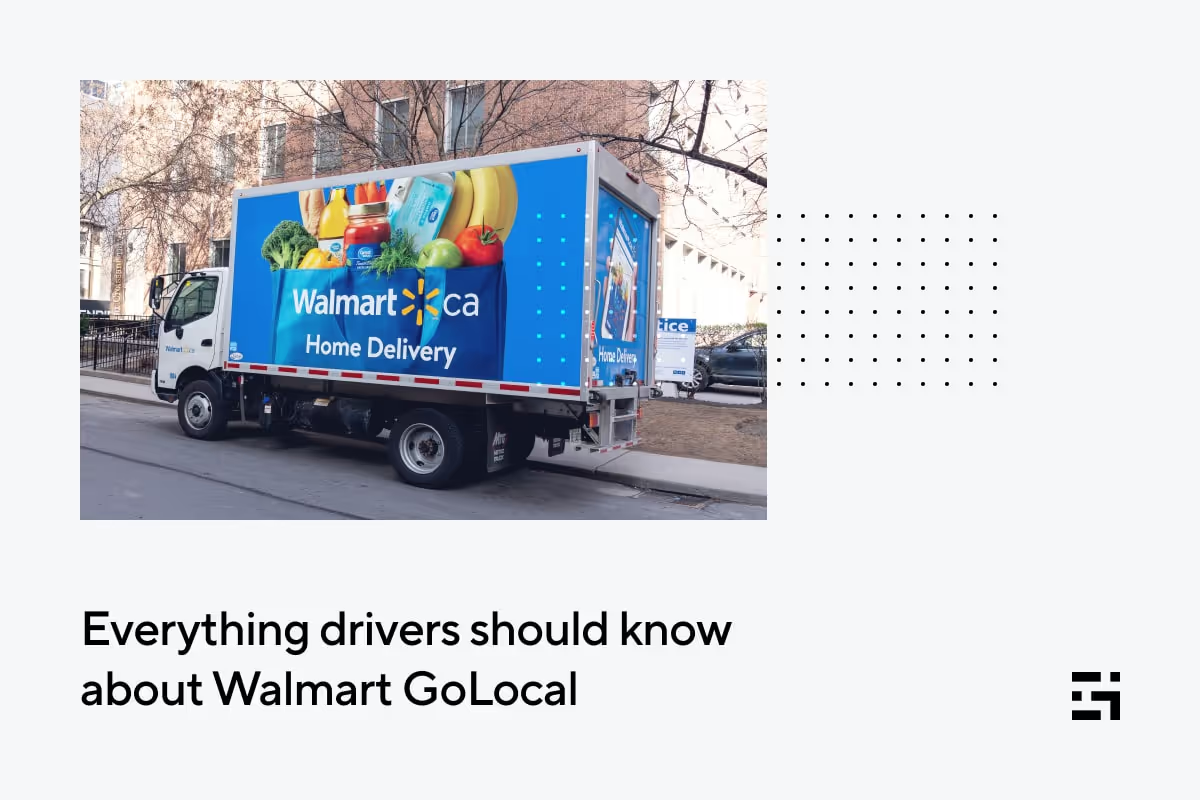
Everything drivers should know about Walmart GoLocal
Traditionally infamous for crowding out and shutting down small retailers, Walmart is making a new push to help them keep up in the age of online ordering. That could prove to be great news for gig drivers.
Here’s what we know.
What is Walmart GoLocal?
Walmart has been ramping up its membership and delivery services in an effort to keep up with Amazon and other competitors. The latest weapon in Walmart’s arsenal is GoLocal, a new white-label delivery service.
The company’s Express Delivery Service launched three years ago. Since then, Walmart has been busy fine-tuning and scaling up to deliver local orders in less than two hours through its network of independent Spark Drivers.
Currently, Express Delivery covers 160,000+ items from more than 3,000 stores across the United States, reaching nearly 70 percent of the U.S. population. Now, Walmart is opening its delivery network to other businesses through GoLocal, which the company is billing as a new “delivery as a service” business.
How does Walmart GoLocal work?
Essentially, the service is the same as Express Delivery, but now delivery drivers will get orders from other retailers as well as Walmart. There is, however, one significant difference between GoLocal and other platforms: Customers will not place any orders directly on GoLocal.
Instead, interested businesses can integrate the Walmart GoLocal API into their own commerce platforms. When a customer places an order, Walmart GoLocal receives the information about the order and pings Spark Drivers with the opportunity to take the delivery.
This makes GoLocal a true competitor to DoorDash, Instacart, and other such delivery platforms. Walmart says its new “delivery as a service” business will offer scheduled, same-day, and other delivery options to cater to businesses of all types, and it allows merchants to retain more control over how their items are marketed and presented to customers.
What does this mean for Spark Drivers?
Ideally, GoLocal should mean more orders, additional types of orders, and new merchants. The impact it will have on drivers’ earnings remains to be seen.
With Walmart treating its Express Delivery network as a stand-alone business now, the company will be under competitive pressure to keep its delivery prices low enough to attract and retain merchants. It’s also possible that opening the Spark Driver platform to smaller businesses could lead to low-value orders, which could negatively affect drivers’ earnings.
Despite some complaints, the Spark Driver platform has been rewarding for many drivers. One of them, Brenda Brown from Las Cruces, New Mexico, made more than $100,000 during her first year (October 2019 to October 2020).
For non-Spark drivers, GoLocal simply means another platform is vying for your attention. Delivery driver earnings are notoriously dependent on the area where they operate. If GoLocal onboards merchants that are a better fit for your area or vehicle, it may be worth your consideration.
What is required to become a driver for GoLocal?
Walmart has yet to reveal exactly when and where GoLocal will go live. But the company has announced that it’s contracted with select merchants and plans to begin deliveries by the end of 2021. Since GoLocal is built on the Spark Driver platform, you can become a Spark driver today and benefit from the platform’s expansion whenever it happens.
To become a Spark driver, you must:
- Be at least 18 years old (21+ to deliver orders containing alcohol)
- Have a vehicle, as Walmart specifies: “Any car that is able to transport orders safely and reliably to customers”*
- Have proof of valid insurance for the vehicle
- Have a smartphone (iOS or Android) that’s capable of running the Spark Driver app. In addition, all devices need a camera with flash and GPS location services.
*Walmart explicitly states that motorcycles, bicycles, and scooters are not suitable for this job. So, our two-wheeled friends may have to look at other options for now.
GoLocal will be available for products of any size, allowing for greater merchant variety. This could also create larger, more profitable gig work opportunities for drivers with larger vehicles.
Advantages of driving for GoLocal as a Spark Driver
- Walmart is a large company with a nationwide presence and an ambition to grow.
- Unlike DoorDash or Instacart, GoLocal is built to cater to businesses and products of all sizes.
- Start-ups and younger companies carry risk that a big company like Walmart can float.
- Spark Drivers only deliver from Walmart stores, which means less time searching for pickup locations.
- Walmart orders are typically big, so both your delivery payout and tips are higher.
Disadvantages of driving for GoLocal as a Spark Driver
- The endgame is to replace human drivers with drones and self-driving vehicles, so you could be working toward your own obsolescence. Heavy, we know.
- Bigger companies take more time to address complaints regarding policies.
- Onboarding smaller businesses to use GoLocal can lead to lower-value orders.
- The Spark Driver app has a rating under 2.5 stars, indicating a high level of dissatisfaction among drivers. Complaints range from terrible pay to delays in processing payments.
How do Spark Driver shifts work?
If you’ve been nodding your head in agreement up until now, you might be interested in becoming a Spark Driver. There’s a bit more you should know.
Spark drivers need to schedule their availability in advance to receive orders in the app. You can schedule your availability for the entire week and make changes and when needed. You can also opt to receive orders outside your scheduled time with “Spark Now” status when the order volume is high.
The Spark Driver program rewards drivers who make more deliveries by prioritizing them for new order offers. So, the higher the number of deliveries you make, the more orders you will receive.
Spark orders can be either “Shopping and Delivery” or “Delivery-only.” If it’s a delivery-only order, Walmart employees will load the order into your car when you reach the pickup point. For shopping and delivery orders (only available in select areas), drivers are required to park their cars, go into the store to collect the items, and deliver them to the customer.
And that’s it! That’s what we know about driving for Walmart GoLocal through the Spark Driver program – so far, that is. Are you a Spark Driver? Share your experience and tell us how you think the launch of GoLocal might affect your business.
Use Gridwise to take your delivery game to the next level
Gridwise tracks your performance and earnings across different platforms and presents the data in easy-to-understand graphs and reports.
Our app can also track your mileage to accurately estimate your costs, potentially saving you thousands of dollars in tax deductions.
Really! So what are you waiting for? Download the Gridwise app and sign up for a free account now to give your earnings a welcome boost.
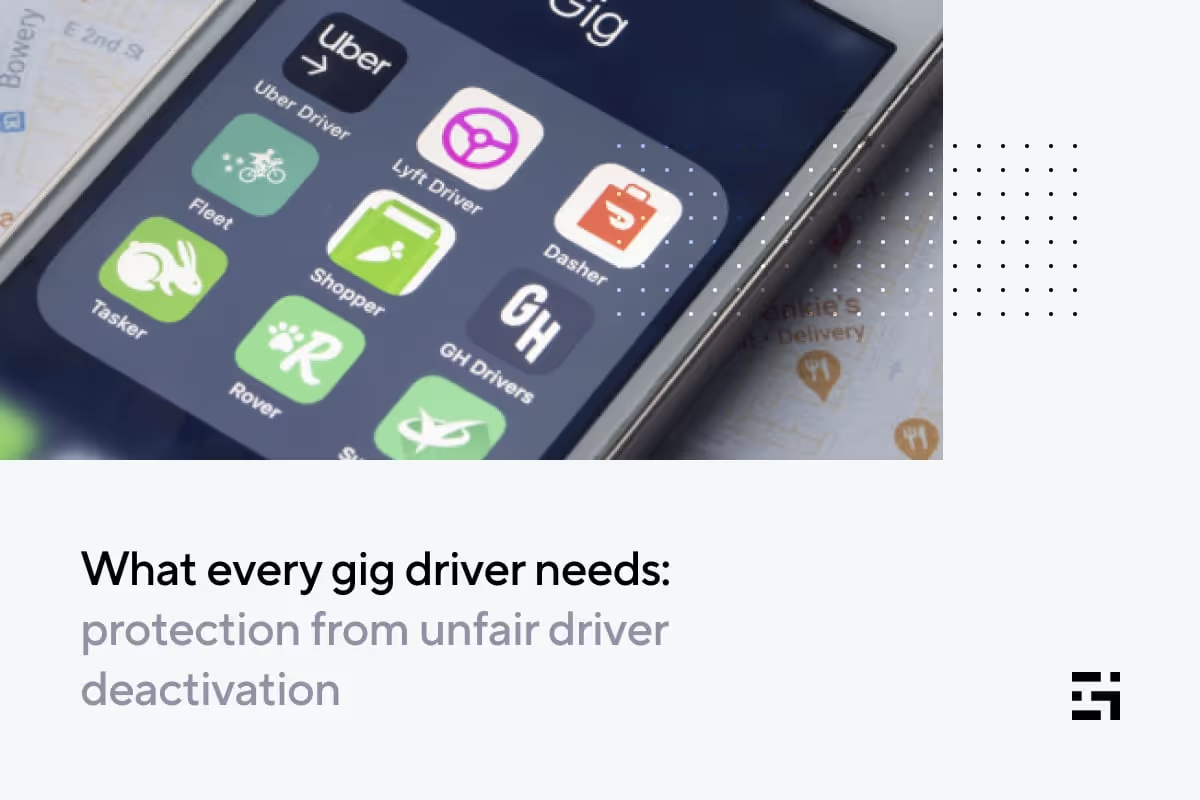
What every driver needs: protection from unfair deactivation
Outsiders who have never been rideshare or delivery drivers think there’s nothing to the job. True, it’s admittedly rather straightforward – but a lot can happen. Not only can there be problems with the app, difficulties with your vehicle, or issues that make it impossible to get where you need to be, you have to deal with people.
And dealing with people may lead to trouble. A company can remove a driver from the app after hearing complaints from a passenger or customer. Believe it or not, this often happens immediately without any explanation.
Deactivation can be very damaging, for a variety of reasons. Most importantly, you can lose your income. You can also lose your reputation, particularly if you are wrongly accused of something, and it might take days for them to hear you out.
In this post, we’ll give you tips on how to protect yourself from unfair deactivation. We'll further examine:
- Why deactivations happen
- How unfair deactivations happen
- How to avoid deactivation
- What to do in the event of an unfair deactivation
- How to recover from a deactivation
Why deactivations happen
There are many instances that can put you at risk for deactivation. For both rideshare and delivery drivers, these might include:
- Failure to pass a background check. Don’t forget that most companies will run background checks from time to time, even after your original activation.
- Unsafe driving: this includes being stopped and ticketed by police while on the app.
- Carrying a weapon.
- Threatening a customer.
- Driving under the influence.
- Committing any other kind of infraction while you’re gig driving.
- Low ratings.
For delivery drivers, companies have additional standards you have to meet. Some things that can get you knocked off your app are:
- Chronic lateness. Delivery companies want you to work fast. If you have a habit of taking too long to complete trips, you could lose access to your app.
- Card abuse. Never use the company card for any purpose besides paying for customers’ orders.
- Fraud. Not that you’d do such things, but this covers stealing or tampering with deliveries.
- Refusing too many orders.
- Violating your agreement. For instance, if you say you’re using a bike when you’re not just to get closer delivery orders, you could get deactivated. Another pro tip is to shy away from delivering for more than one app at the same time.
There may be other grounds for deactivation, so always be sure to check with the platforms you’re working with so you avoid trouble. Should your company accuse you of doing something wrong, not knowing about an offense will not get you off the hook.
How unfair deactivations happen
Sometimes, deactivation may be warranted. This might be if you get caught with a weapon in your vehicle, or get stopped for unsafe driving, or get a DUI. However, there are also unfair (aka, unjust) deactivations.
Anyone who works with people knows how unpredictable they can be. A passenger or delivery customer can surprise you with a $20 tip or target you for deactivation. There are several reasons why someone might do this. Maybe the person is angry because you refused to wait half an hour while they shopped for groceries, or a customer might want to scam you and your company by lying and getting free rides or deliveries as compensation.
Here are a few examples:
Ever have someone argue with you (and your GPS) about the best route to get them home? Driving platforms will advise you to go along with the customers’ suggestions. But even if you do, they might complain that you were trying to increase the rate. This usually means the company will give them a free ride or another kind of discount.
What if a customer says you ate her fries? You might not even like fries, and probably didn’t touch even one. Still, the customer can claim that you did that, and then collect from the company. Meanwhile, you could be deactivated, at least until you can prove you didn’t steal the pomme frites.
There are even uglier accusations. One driver refused to break COVID safety regulations by insisting her customers take a seat in the back. You guessed it! They refused, and the driver advised them to get out of the vehicle, and they reported her for harassment. She was able to tell Uber her side of the story through an email exchange, and she was not deactivated, but… it was close.
Another driver got conned into waiting for an extended period while his passengers made a stop to pick up their dog at the vet. After a half-hour of waiting, with the purse belonging to the passenger’s companion still in his vehicle, the driver was beyond ready to leave.
Just as he was debating whether to touch the companion’s purse and bring it inside, they both came out to say it would only be about another fifteen minutes. The driver terminated the ride. The customers? They told Lyft a story about the driver going into a blind rage, and throwing them bodily out of his vehicle and onto the ground.
This driver was deactivated. It took him three days to hear back from Lyft, tell his side of the story, and get reinstated. He lost income and was put in a position of defending himself against what could have ultimately become a criminal charge. He is a five-star driver with almost 11,000 rides, so once he got a representative to call him, Lyft cleared him.
As you can see, unfair deactivations can happen even to the best drivers out there – which means it can, and does, happen to drivers all the time. It pays to cover yourself from every angle possible.
How to avoid deactivation
You can start by being proactive. Here are some tips:
- Know the rules. Carefully read your driver agreements to ensure that you understand what your minimum rating numbers are, and what regulations your company expects you to comply with.
- Be polite. Even when someone aggravates you, don’t take the bait. If you’re calm and collected, no one can prove you were rude or out of control.
- Say NO to road rage. No matter how much traffic, how nasty the act of another driver, or how hard it is to change lanes, take a deep breath and drive safely and sensibly.
- Make your passengers feel safe. Don’t let conversations get too personal, and avoid commenting on crime rates and incidents you may have heard about. Most companies provide video training that illustrates the boundaries of acceptable interaction.
- Don’t argue. You’ll need to enforce some rules and set limits with inconsiderate customers, but don’t get into a discussion. State your position and your company’s policy and leave it at that.
- If you do get involved in an unpleasant exchange, contact your company immediately through your app. See the Gridwise articles about how to get help from Uber, Lyft, Amazon Flex, and DoorDash, or check the app or website for support with other platforms.
- Drive safely – don’t speed or run lights. Passengers value their lives more than you might think!
- Use a dashcam. If you have a driving routine that brings you frequent encounters with passengers who are likely to be problematic, you’ll be glad you have evidence of what really happened. Read this Gridwise post for more dashcam tips.
What to do in the event of an unfair deactivation
Getting stuck with an unfair deactivation can trigger some unpleasant childhood memories, such as getting called into the principal’s office when it was really the class clown that slanted a spitball on the teacher’s desk. It stinks to be wrongly accused in any case. But the big difference in the case of an unfair deactivation is how much it can cost you.
As we noted, it can take a while before you hear back from your company. From what we’ve heard from some drivers, the wait could be as long as three days. Most of the apps have easy access to chat and email, but few allow you to speak to another human being. And while you’re waiting, you’re losing revenue.
There’s no reason to just sit there and take it, though. The first thing you need to do when you notice you’ve been deactivated is to contact customer support. They may or may not give you all the information you need, so be prepared to scour your memory.
For example, they won’t tell you the name of the passenger or customer who reported you. Chances are you’ll have to guess who it was, but if you can’t, you might have to solve the mystery of who’s trying to scam you and your company. This, obviously, can take even more time.
What can you do while you’re waiting for the logistical mess of an unfair deactivation to be resolved? What will you do for money? How will you pay your bills?
Fortunately, there is a solution: Gridwise Protection. For just a small sum (like $8 per month), you can be reimbursed for 80 percent of the income you lose for an unfair deactivation – and that’s not all. You can also get a legal letter written on your behalf by a gig driver lawyer. Plus, you get income protection for collision repair, hospitalization, and sick time, as well as free telehealth visits.
Gridwise is great at providing protection for drivers because it’s the ultimate rideshare and delivery driver’s assistant. With the Gridwise app, you can also:
- Automatically track earnings and mileage.
- Log expenses.
- See the best times and places to drive.
- Get airport, event, weather, and traffic information.
- Take advantage of deals and discounts for drivers.
- Get an overview of your gig driving business
Get Gridwise Protection and get all the other great features, too! Download the Gridwise app today. You could start earning up to 39 percent more!
How to recover from a deactivation
If you’ve been deactivated, whether unfairly or justifiably, it can take time for your morale to recover. If your deactivation is merely between you and one company, try driving for another. You may still have to wait a few days to be activated, but at least you’ll be back on the road. Maybe you’ll also get a secret thrill out of driving for the competition.
If you’ve been unfairly deactivated, don’t hold a grudge. But if you truly feel your company took too long to do right by you, there are other gigs out there. Just don’t wind up losing your diamond driver status simply because you’re ticked off at how long Uber took to get back to you and get the reactivation going.
Just like being called into the principal’s office when you didn’t do anything wrong, clearing an unfair deactivation can be frustrating. Though, once you’re vindicated, there shouldn’t be anything stopping you from going back out to earn your living.
For now, we hope you’ll be better prepared and more thoroughly informed. We also hope you’ll shelter yourself from lost income and sign up for Gridwise Protection!
10 parking tips for drivers in big cities
When you’re in and out of your vehicle for deliveries, you want to make sure you’re leaving it somewhere safe, convenient, and legal. Unfortunately, throwing on the flashers and hoping for the best will only get you so far.
For delivery drivers in big cities, it's not always easy to find a parking spot close to your destination. If you’re not careful, you’re taking the big risk of a ticket or tow.
Plus, circling to find a spot costs you valuable time and earnings. A lot of delivery drivers also wonder if companies like UberEats will reimburse them for any parking fee or fines. We’re sorry to say the answer to that one is a pretty hard no. The same goes for courier-only services like Instacart.
But that doesn’t mean you’re on your own! Thankfully, there are a number of tactics drivers can use to ensure they have access to the best parking spots out on the road.
Here are 10 ways delivery drivers can streamline the parking process to help them save time, deliver faster, and make more money.
1. Engage your community
While not every driver is willing to risk beating the system, there are a number of different driver communities where you might be able to ask questions and gain some valuable knowledge.
For instance, Gridwise's Facebook community page brings together drivers who are interested in networking and learning how to optimize their driving business from other Gridwise users. You can also download the Gridwise app for access to exclusive driver perks and tips, and again, join our Facebook group to connect with like-minded earners.
2. Find a broken meter
We’re not going to call this a “hack,” but it’s definitely worth keeping an eye out for. If you spot a broken meter near an area you know has high traffic for deliveries, you could be in luck. Make a mental note so that you can take advantage of it next time you’re in the area.
Another way to “beat the meter” is to check what time your city makes you pay for parking. Oftentimes, there are only certain hours or days when you need to feed the meter. If you can schedule your driving around these hours, you’ll be able to save.
3. Look for curbside pickup
One of the toughest places to find parking is in densely populated urban centers. At least, that’s if you’re looking on the street. We learned from drivers that parking spots associated with your pick-up and drop-off location can be a great place to pull in. They’re usually ticketed by the hour, so if you’re quick with your delivery, you may not have to pay at all.
4. Utilize helpful apps
While navigating yet another app may not sound ideal, it can sure beat circling excessively trying to find an appropriate spot to pull over.
- Waze's “Where to Park” feature shows users available spots near their destination by calculating traffic density in certain spots.
- Way+ allows drivers the option of purchasing flexible daily and monthly parking passes that allow them to park in different spots around their city multiple times a day. Drivers who purchase a subscription can also save on gas, car washes, and auto insurance!
5. Opt into two-wheel drive
One of the best ways to eliminate the hassle of parking your car on deliveries is to well, eliminate the car. Choosing to deliver on two wheels rather than four lets you be a little more nimble and opens up more options for where you can leave your vehicle. Just be sure to bring a good lock!
6. Carry coins
The reality is sometimes your best option for making a delivery quickly is to feed the meter. With more and more city meters being converted to digital payment systems, you can save time and money by carrying enough quarters for a few minutes at the curb.
Paying $5 for a few minutes of parking in a pinch is going to cost you a lot less in the long run than taking your chances with a parking enforcement officer.
7. Scope out the area
Next time you’re out for a stroll around the block, try and take it in areas where you frequently pick up or deliver. When you know a customer is waiting, it can be difficult to take the time to look around and identify open parking spots.
This is also a great time to make note of the daily and hourly parking restrictions in certain areas.
8. Call ahead
It pays to be prepared. On any order, there’s always the chance that either the restaurant or the customer will be able to meet you at your car for a quick hand-off. While not always possible, calling ahead might end up saving you considerable time finding a parking spot.
We recommend being polite in any customer or merchant interaction. Rather than telling someone to meet you at the curb, you can try asking if there’s parking nearby or what the most convenient way to complete the delivery is.
9. Mind the curb
Colorful curbs aren’t just meant to look nice, they also serve to tell drivers where they can and can’t park. You might still remember what color indicates what, but a lot of states have unique rules that you can use to your advantage. Oftentimes, certain curb colors indicate loading zones or short-term parking that other drivers will avoid because they aren’t sure whether or not they can park there.
Here’s a guide to curb laws by state.
10. Take your time
Going along with tip #7, and as with everything in life, every once in a while it’s important to remember to just take a breath.
We know you want to make your delivery as quickly as possible to maximize your earnings, but when it comes to parking, mistakes can be costly. A parking ticket can range anywhere from $40 to $200 dollars depending on your city, easily wiping out at least an order or two if not an entire day’s earnings. While it might be tempting to try and bend the rules in a pinch, financially it just isn’t worth it.
Have a parking tip you’ve had success with? Leave a comment or share it with the Gridwise community!
The top 3 rideshare services for students and kids
The pandemic exacerbated the already problematic U.S. school bus driver shortage, revealing new avenues for the growth of transportation services for students and kids.
Some school districts have already started contracting with rideshare providers like HopSkipDrive and Zum to manage their student transit and diversify their fleet. It’s possible that transporting students through rideshare platforms could take the place of traditional school busses altogether.
And, the classroom isn’t the only destination for these drivers. Busy parents looking to skip the drive are also scheduling rideshares for their kids’ after-school events, practices and more. Drivers that work for these transportation services might also have the chance to be sitters and caregivers.
Somebody tell Ms. Frizzle to order the Uber! Today, we’re taking a magic ride through the Top 3 ridesharing apps for students and kids:
- HopSkipDrive
- Kango
- Zum
With the start of a new school year approaching, now is a great time to consider whether driving for one of these rideshare alternatives is right for you!
First, let’s clear something up.
“Uber for kids” and “Lyft for kids” do not really exist. While these rideshare alternatives for kids might take some cues from these apps, they are unique in a few key areas.
Rideshare apps for students and kids often require rides to be scheduled well in advance, rather than just hailing them on the fly.
Drivers for these transportation apps take on significantly more responsibility than rideshare drivers for adult-focused companies. The background checks and vetting process drivers go through are substantially more rigorous for rideshare apps that focus on driving students and kids.
In addition, student and child transportation services often require drivers to undergo more extensive training, obtain certifications, and in some cases, have a background as a caregiver (and sometimes function as one).
Now, let’s get into the specific differences for each of the top ridesharing apps for driving students and kids.
HopSkipDrive
HopSkipDrive’s “CareDrivers” is part of a network of rigorously vetted drivers who all have a background in childcare. Their platform is marketed toward schools and busy parents who want to set up single or recurring rides for kids.
Rather than trying to replace traditional school transit systems, HopSkipDrive wants to complement traditional routines, offering a flexible system that can accommodate off-route students and special cases.
The app has also leveraged its experienced network of drivers and heightened safety protocols to offer a rideshare alternative for vulnerable populations and older individuals during the Covid-19 pandemic.
While on the road, regular notifications are sent out to the organizer of the ride (examples being a school administrator, parent, or guardian) and HopSkipDrive’s internal support team so that everyone knows the status of the ride.
Driver Earnings
Professional CareDrivers can earn up to $50 an hour, according to HopSkipDrive! However, booking windows are usually more limited than traditional rideshare.
Payments to drivers are made every Monday via Stripe. Unlike Uber and Lyft, drivers can still get paid the entire estimated fare for canceled rides if it occurs within 1 hour of their scheduled departure time.
Credentials
Every CareDriver needs a minimum of 5 years of caregiving experience to become a driver. Other requirements include:
- At least 23 years old
- Good driving record
- 4-door vehicle less than 10 years old
- Pass multi-agency background check with fingerprinting
Some states and school districts also require HopeSkipDrive drivers to obtain advanced qualifications before getting on the road. Qualifications include CPR & First Aid, TB Risk Assessment, and district-specific training.
A primary advantage of rideshare for students and kids is the ability to accommodate students and riders that need a little extra care. CareDrivers receive support and guidance on how to provide Trauma-Informed Care (TIC) for these little riders.
Driver Feedback
HopSkipDrive shows their love for their hardworking drivers with #YourRide, highlighting the unique stories of their employees. CareDrivers aren't just earning a reliable paycheck, they're also making a significant impact on the kids. One CareDriver said:
“It’s uplifting to know I’m helping kids get to where they need to go, safely! Being a CareDriver has both financial and emotional rewards.”
Locations
HopSkipDrive serves many major cities across the U.S. Their coverage includes Northern and Southern California, The Front Range of Colorado, Virginia/D.C., Houston, Dallas/Ft. Worth, Central Arizona, Seattle, Spokane, Las Vegas, Odessa-Midland, and Milwaukee.
Kango
Kango offers rideshare services for kids of all ages with thoroughly vetted and trained caregivers/drivers.
There’s an element of connection when parents book through Kango. Drivers meet with parents before booking, and parents can request specific drivers when they schedule a ride. Drivers with Kango can also fulfill babysitting/caregiving responsibilities on request.
Recently, Kango partnered with National Express, a leading provider of student transportation services, to partner with various school districts. This move positions them to become the next iteration of student transit.
Kango stands apart from other rideshare apps for children because they are the only app insured to drive kids of all ages, and they do not have a time restriction on their childcare services.
Driver Earnings
According to their website, Kango drivers can earn up to $48 an hour during peak times. Rideshare apps for kids and students offer drivers more substantial earnings because of their increased responsibilities.
While driving windows are more limited, Kango lets drivers optimize their schedules with additional caregiving duties. Schedules are planned in advance and offer the added flexibility of working as both a driver and a sitter.
Drivers with Kango can also earn tips and choose to drive regular routes. While the earnings opportunities with Kango are great, drivers are still considered independent contractors. So, they’ll be responsible for tracking their earnings with Gridwise, and paying any necessary state and federal taxes.
Credentials
Before being approved to drive with Kango, applicants undergo a rigorous background check and must meet certain requirements:
- 3+ years of childcare experience + Trustline Certification with fingerprinting
- Background check
- DMV Check
- Vehicle inspection
- Phone screening
- Two reference checks
- In-person interview
Once all criteria are met, drivers also undergo in-person training before officially being bookable on the app.
Driver Feedback
Drivers seem to love their experience with Kango:
"I love being a part of the Kango family, especially driving the little ones around. Not only am I compensated well for my time and experience with children, but I receive the best support from the Kango team. I can interact directly with the parent within the app and can schedule my rides ahead of time. It's an app with a human touch."
Locations
Currently, Kango operates in California -- San Francisco Bay Area, Los Angeles County, San Fernando Valley, San Gabriel Valley, Orange County, and San Diego -- and Phoenix, Arizona.
Zum
Zum’s is “reimagining student transportation for safety, sustainability and reliability” according to their website. They contract directly with 4,000+ schools and districts. Unlike other student transportation apps, Zum is designed specifically for school-related transit and doesn’t offer the caregiving or parent bookings of other apps. It's becoming 21st-century school bus!
Zum offers parents and school officials more flexibility and visibility in their student transit plans. They’re also focused on creating a more sustainable model that introduces EVs (electric vehicles) to their fleet and limits the time that empty busses sit idle.
Driver Earnings
Zum states that drivers can earn up to $35 an hour and up to $750 per week.
For Zum drivers (aka Zumers), rides are scheduled by school districts base on their needs. Available rides are posted a day in advance, along with the estimated fare, and can be accepted in the driver app. That way, drivers know exactly when they’ll be driving and how much they’ll earn before they even hit the road.
Credentials
Zum offers two options for schools: traditional and non-traditional student transportation.
Regardless of what type of driver you are, every Zumer must:
- Be at least 21 years old
- Preferably have some childcare experience
- Complete a comprehensive interview process
- Possess a clean driving record
- Pass thorough background checks
- Complete all state and company training and maintain valid licensing
Traditional drivers must also pass driver qualifications and obtain a commercial driver’s license with endorsements. Non-traditional drivers need a car that is fewer than 10 years old and able to pass regular inspections.
Locations
Zum operates in major U.S. markets including: The Bay Area, Los Angeles, Chicago, Dallas, and Seattle.
Their innovative approach to student transportation services is enabling them to expand rapidly. Potential coming service areas include: Orange County, Phoenix, Portland, Sacramento, D.C., New York City, San Diego, and Miami.
Local tribute: Zemcar
Currently only operating in the Greater Boston area, Zemcar was a little too small to make our list this time around. But they’re still a great rideshare alternative for kids and students. If you’re in the area, consider signing up today. Or, keep an eye out for them as they expand their market.
What’s fueling the move from traditional student transportation?
Rideshare transportation services for students and kids offer a flexible alternative to the headache of managing a bus fleet. These apps provide parents and schools with custom solutions to safely get kids where they need to be. Smaller vehicles like sedans can pick up off-route students while larger busses drive the main routes.
The Every Student Succeeds Act passed in 2015 put a renewed focus on providing better access to educational opportunities for youth in foster care, unhoused students, and students with special needs. The law mandated that districts provide transit for these students to their school of origin even if they moved out of the district; a regulation that is far easier to implement with rideshare than bus transit.
Thinking About a Change?
If you're looking for more rewarding work, consider signing up for one of these transportation services. But, keep in mind that getting appointed as a driver will take time.
If you’re ready to make the leap but worried about the financial implications, you might want to consider a personal loan through our partner, Giggle Finance. These extra funds can give you the cushion you need to jump in and start helping the kids and supporting the community!
All drivers save with Gridwise!
Gridwise offers all rideshare and delivery drivers new ways to save. Automatically track your mileage and log your expenses effortlessly in the app to make tax time a breeze. All of your data is collected and turned into simple, elegant graphs, (shown below), to help you analyze and maximize your earnings.
Join our community and become a Gridwise user to gain access to great driver perks like Gridwise Gas and Gridwise Connect! And if you're not convinced yet, take a look at what our users are saying. Keep more of what you earn, start by Downloading Gridwise today!
Delivering on two-wheels: how to make money without a car
Grab your bike, scooter, or running shoes because, believe it or not, you can make money delivering without a car! Although, it might seem like you’re missing something extremely fundamental, most grocery, food, and package delivery apps allow you to deliver on a bicycle, scooter, or motorcycle in select areas. Even if you own a car, there are instances when delivering on a two-wheeler might make sense.
If you’re still unsure about this, we further breakdown the advantages and disadvantages of delivering on two-wheels rather than a car.
Advantages of delivering on two-wheels
- Low entry cost: A bicycle or a scooter costs significantly less than a car, making them a better option for those who are looking to get into gig work. If you are already delivery driving but you’re looking for more ways to save, buying a bicycle or scooter is an economical way to test the waters.
- Low operating costs: The operating costs of two-wheelers are also significantly less than that of a car. Significantly lower insurance costs, less maintenance, and virtually no fuel costs (depending on if riding on a bicycle or motorized scooter) add up to substantial savings.
- Low financial pressure: Eliminating the worries about paying a vehicle loan at the end of every month can help make your work life a little less stressful and more enjoyable.
- Navigate through traffic: During peak delivery hours, navigating through traffic (for instance riding in the bike lane) has a tremendous impact on your earnings.
- Parking: Finding a parking spot for your car can be very challenging in urban areas, often forcing you to park your vehicle far away and having to walk a long distance to the destination.
- No license requirements: If you don’t have a driver’s license, then opting for two-wheel delivery can expedite the process of getting you on the road to make more money.
- Health benefits: Get paid to get fit! Not only are you saving on gas and other expenses, but you can also skip the pricey gym membership and get paid to exercise when you opt for a bike over a car.
Disadvantages of delivering without a car
- Not a rainy day option: Two-wheeler vehicles are not feasible when you want to operate in an area that sees frequent and extreme weather changes. Rain, snow, or a hot summer can all drastically impact your earnings if it means you won’t be able to complete deliveries in these weather conditions.
- Less cargo space: The bigger the order, the bigger the payout. Delivering on a bike, scooter or motorcycle limits the amount of “cargo” you can carry due to the lack of storage space. With a vehicle, you could potentially deliver a feast to a family reunion!
- Longer wait times: There will be days where you are filled with uncertainty. Sometimes, you may get back-to-back orders, while on the other hand, you may experience a longer wait period in between orders. Being able to wait in your car, and possibly switch over to ridesharing, is an advantage on days when delivery orders are slower.
- Cannot rest between orders: When you travel long distances or in areas with heavy traffic, it can wear you out. Having a car makes it easy to rest between your orders or in the middle of a long shift.
- The order payout may be low: Delivery apps take your vehicle, order size, distance, and other factors into consideration while sending you orders. If you are riding a two-wheeler for delivery, like a bicycle, you are more likely to receive smaller, short-distance orders that generally pay less per job.
- Limited driving and earning options: Having a car opens up more avenues to make money by allowing you to combine rideshare and delivery opportunities.
- Health risks: Riding a bicycle for an hour or two every day may have some health benefits, but doing the same for hours together every day in traffic and pollution might harm your health in the long run. It’s also important to understand the risk of injuries from accidents is also higher when riding a bicycle, scooter, or motorcycle.
What are the best companies for carless drivers to work for?
Here are some of the bigger companies that allow delivery without a car:
- UberEats – UberEats allows drivers to deliver on a bicycle, scooter, motorcycle or by foot. Check their website for information specific to your city. Since Uber acquired Postmates last year, the same policy applies to deliveries on the Postmates app.
- DoorDash – DoorDash has a similar policy to Uber Eats and allows deliveries on bicycles, scooters, motorcycles, or foot.
- Instacart – Instacart doesn’t explicitly limit drivers from using a two-wheeler for deliveries. However, since it is primarily focused on grocery delivery, the order size might be too big to deliver on a bicycle or scooter. Though delivery “riders” can pick and choose smaller orders, they are less common and result in lower payouts.
Don’t sleep on local delivery companies like Favor! Newer companies usually offer incentives to quickly attract more drivers to their platform and expand their business, and what’s better than supporting a local business?
What are some local delivery companies in your area? Let us know on our community Facebook page!
Should you deliver without a car?
Absolutely. Most platforms allow delivery on bicycles, scooters, and other transportation types. Rather than paying off expensive monthly loans, trying out a two-wheeler for your driving gig might be a better option financially. Even if you are an experienced delivery driver, there are instances when delivering on a bicycle or a scooter can be more convenient and economical for your business.
As a car-less driver, it’s still possible to make as much money as someone with a car. However, this largely depends on your location and the geography of your delivery zones. Generally, transportation on two wheels is more suitable for urban centers where it is more congested with people and cars. Again, this alternative option will keep your costs low and help you deliver more orders during peak hours by quickly moving through traffic.
Whatever you drive, drive with Gridwise!
Scroll through our blog for tips and tricks on how to boost your earnings and make the most out of your time on the road! Gridwise can help you make money, save money and optimize your driving strategy.
Gridwise can help you keep track of your performance, earnings, mileage, and so much more across your delivery and rideshare platforms. Gridwise also offers reliable weather alerts, event updates, and hotspot alerts, so you can strategize when and where you should drive.
Download the app, sign up for a free Gridwise account, link all of your rideshare and/or delivery accounts and then see how Gridwise can help fatten up your wallet!
Work smarter. Earn more.
Whether you drive, deliver, or pick up shifts — Gridwise helps you track earnings, mileage, and performance so you stay in control of your work. Download the app and take charge today.
